Most of the damaged exteriors I get called to look at were not damaged by weather, or salt, or the owner letting things go. They were damaged by whoever cleaned the place last.
Sandstone pitted by a pressure washer held too close. Render with the paint taken off in stripes because someone worked a lance in straight lines. Cracked roof tiles from a bloke walking a valley he should not have been standing in. Timber decking so furred up it had to be sanded back before it could be recoated.
Every one of those was done by someone being paid to make the property better.
That is the observation this business was built on. The Eastern Suburbs did not need another operator with a pressure washer and a trailer. There are plenty. What was missing was a standard — methods matched to the surface, quotes you can hold someone to, and proof of what was actually done.
Why it happens
I want to be fair about this, because it is mostly not malice.
High pressure is fast, and fast is how a lot of operators make the numbers work. It also looks impressive while it is happening — a jet stripping a driveway is satisfying to watch, and clients often ask for it specifically. The damage from using it on the wrong surface frequently does not show up for months, by which point nobody connects the two.
Soft washing is the opposite. Much of the job is applying a correctly measured solution and then waiting while it works. Standing still does not look like value, which is exactly why it gets skipped.
So the incentives push the wrong way, and the person who pays for it is the owner of a sandstone wall that cannot be un-pitted.
What owner-led actually means here
It is a phrase that gets used loosely, so here is what I mean by it.
I am not running a call centre that books subcontractors and hopes. The crew is small deliberately, because the method only holds if the people doing the work understand why it matters — why sandstone gets a different product to render, why you wet the garden before you start, why you rinse for longer than feels necessary.
It also means when something goes wrong, you are talking to the person responsible for it rather than being passed between a booking line and a subcontractor who has moved on to the next job.
The three things we hold ourselves to
A fixed written quote, within 24 hours. Not a range, not an estimate that moves once the van is in your driveway. If we have misjudged the scope, that is our problem to absorb, and it is the incentive that makes us look properly before quoting.
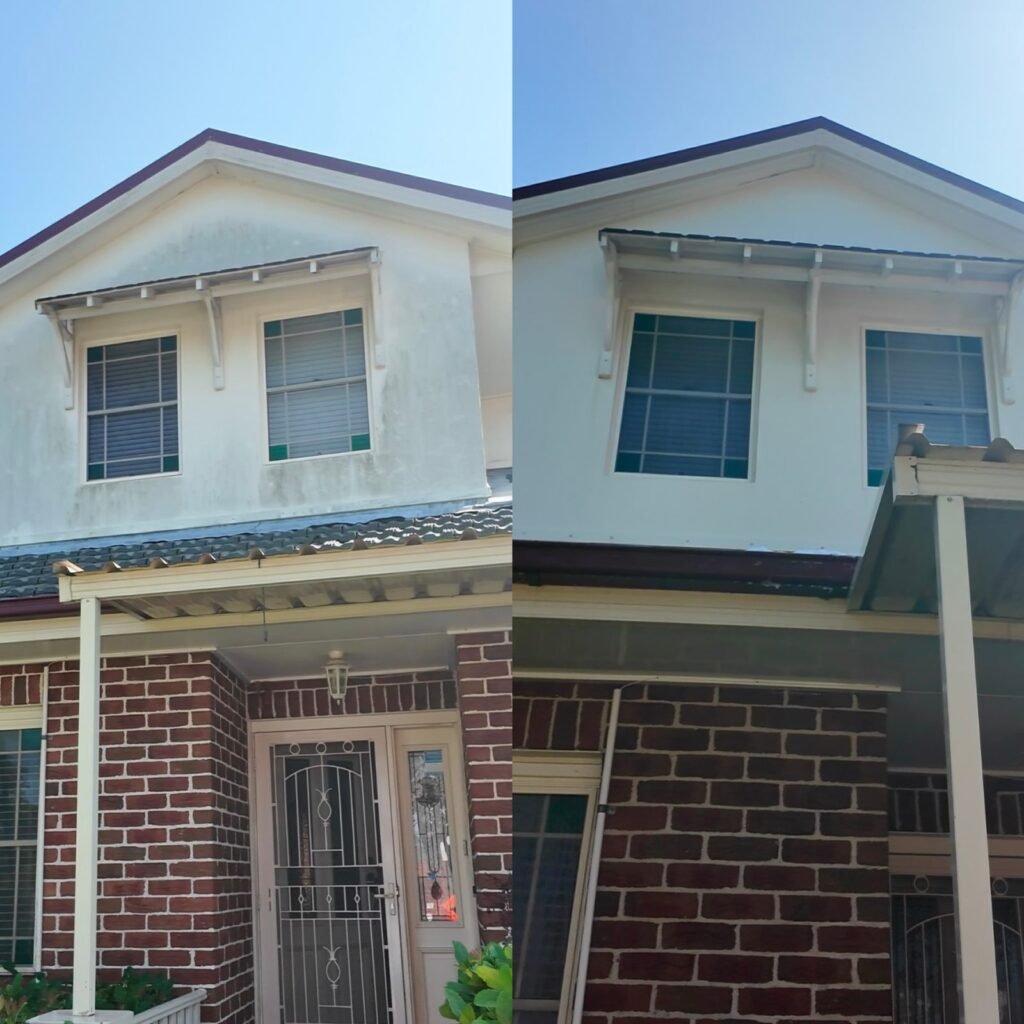
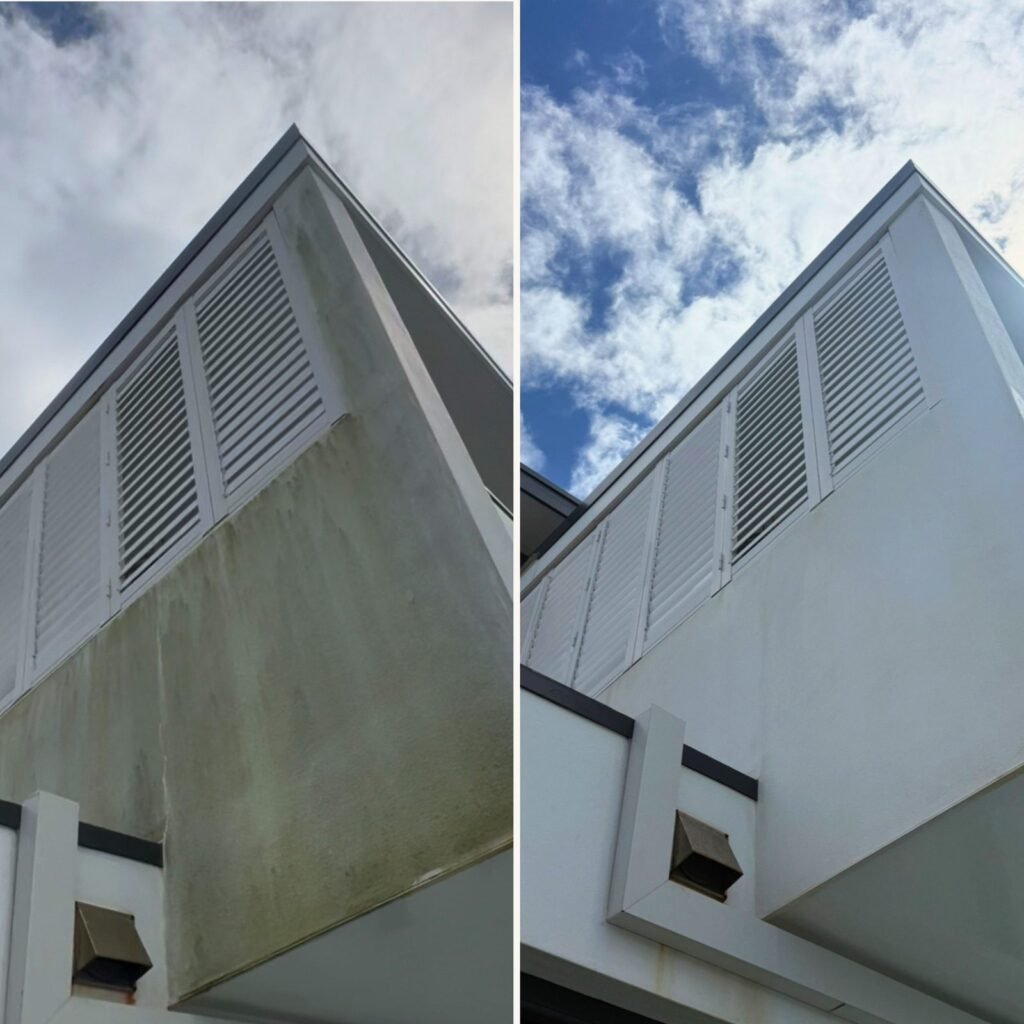
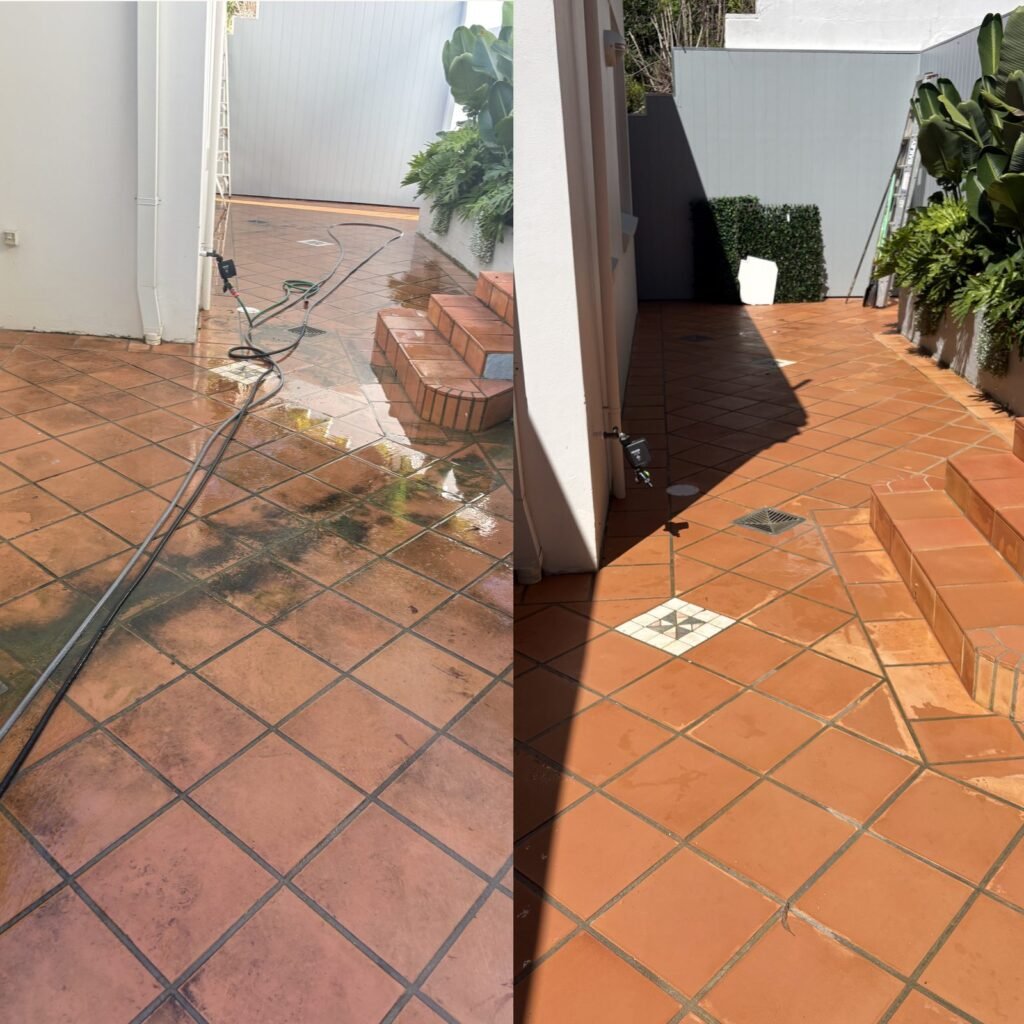
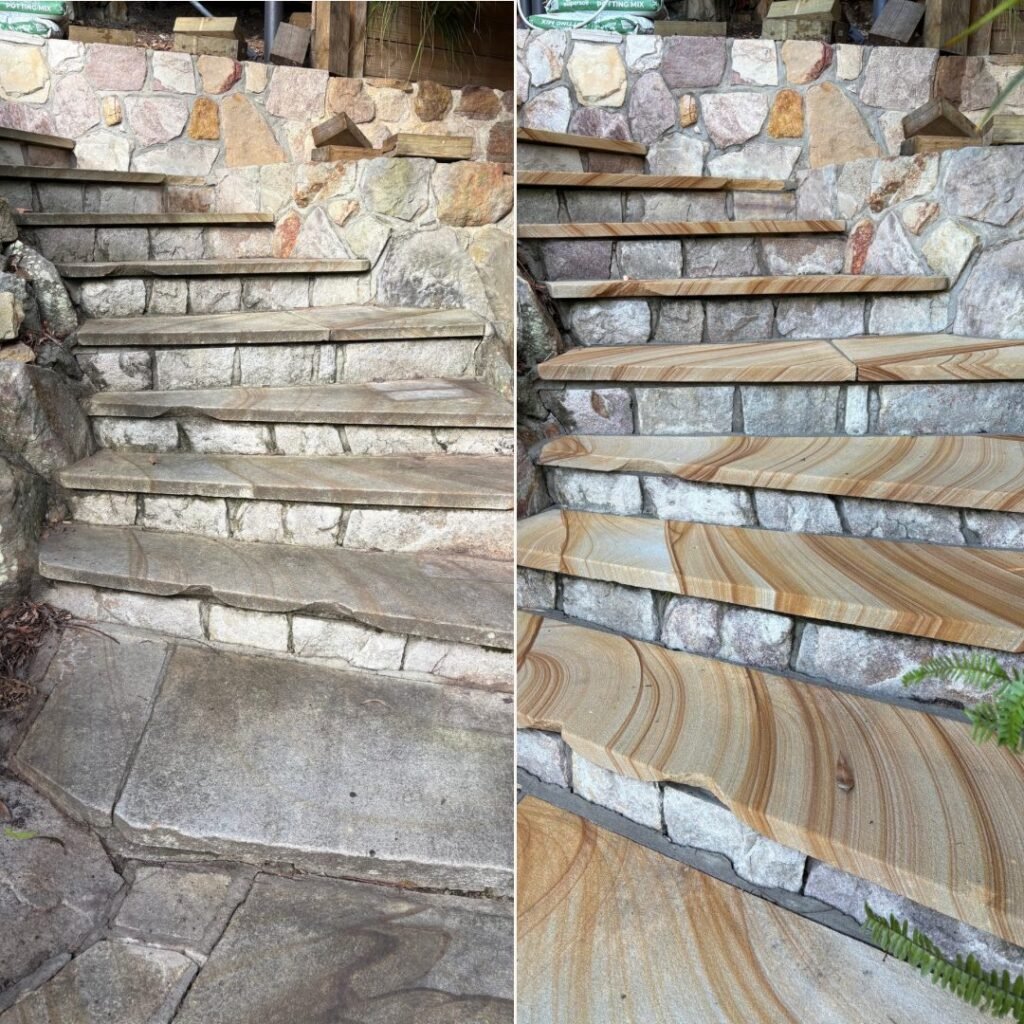
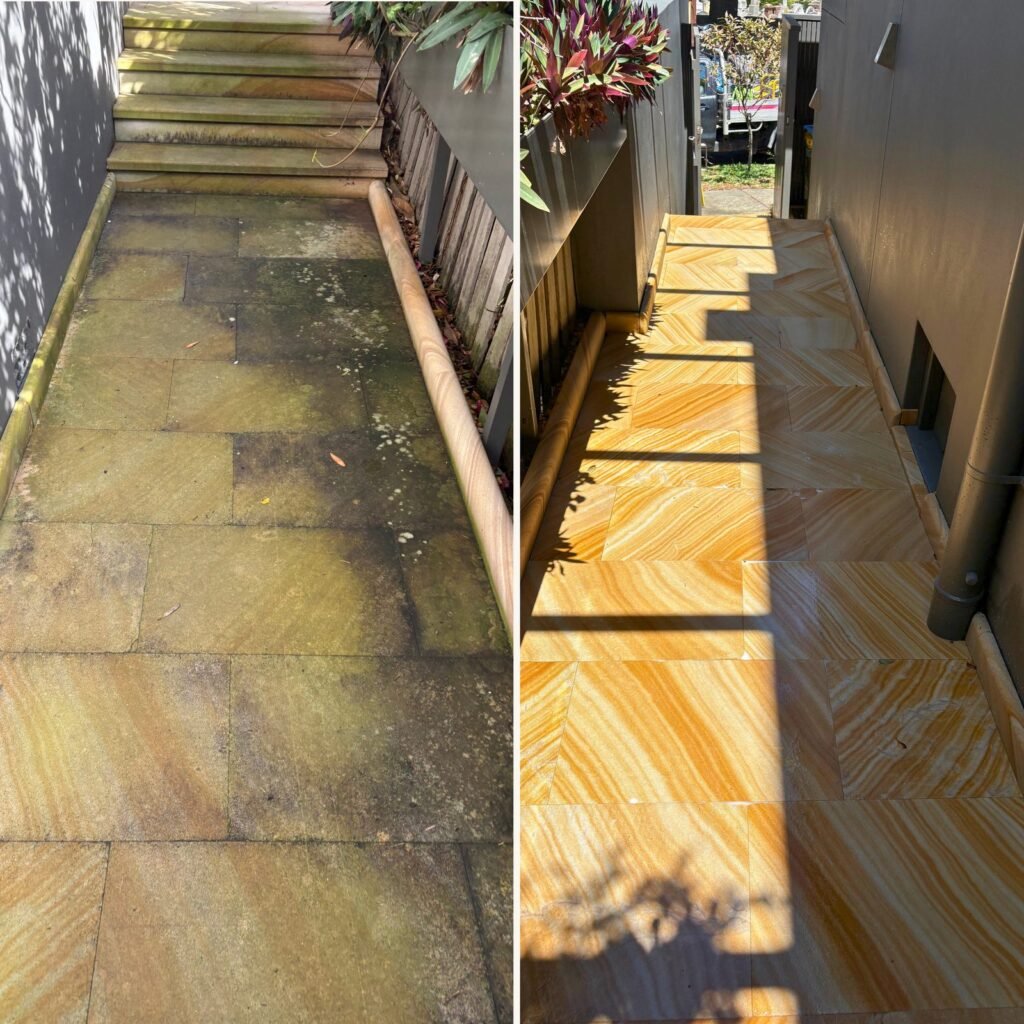
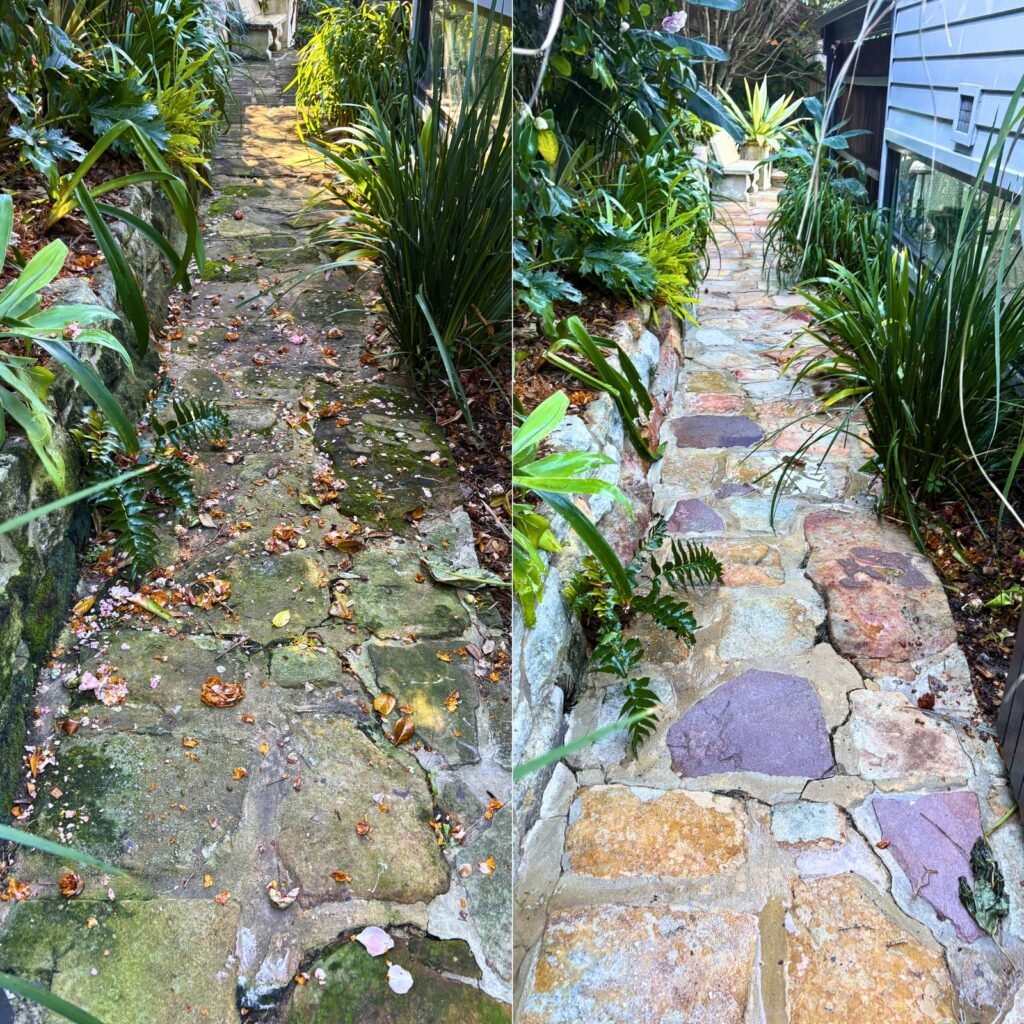
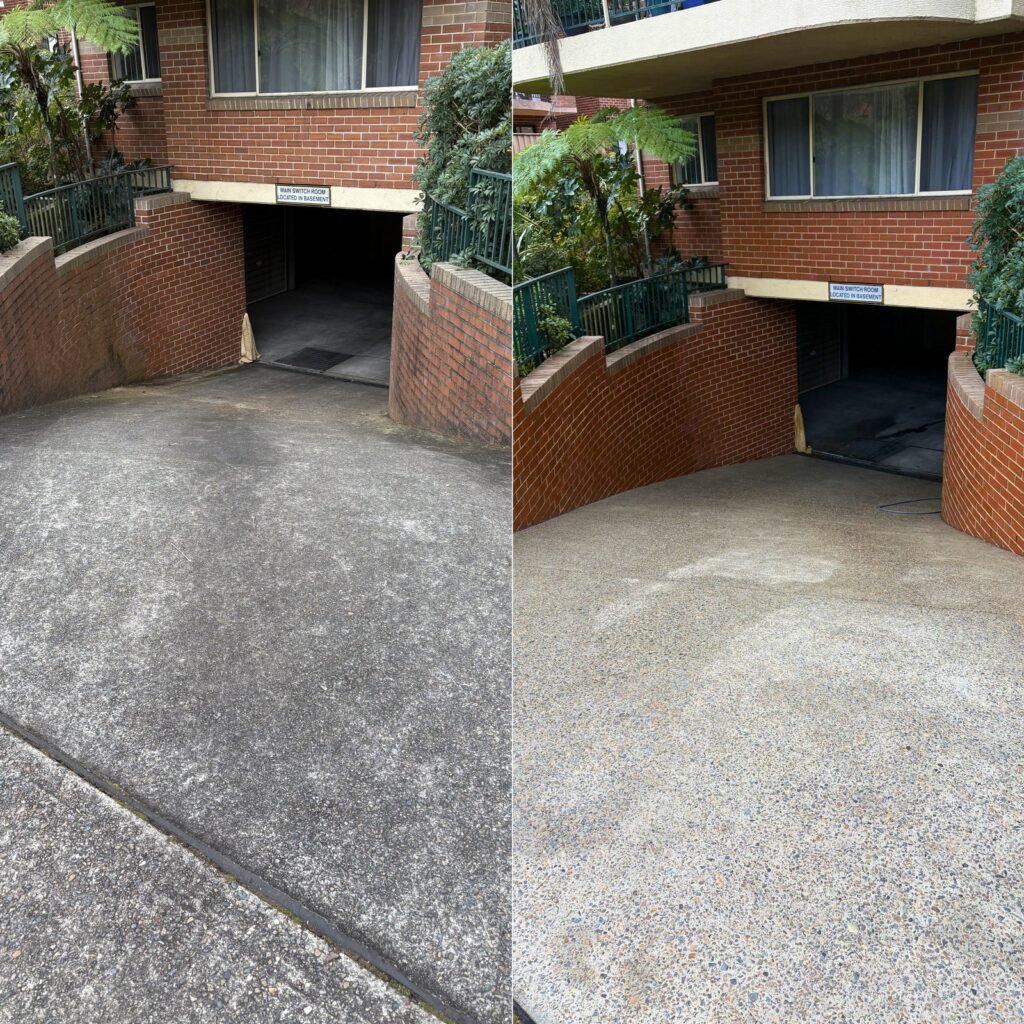
Photographic proof. Before and after, including the parts of the property you cannot see from the ground. You should not have to take anyone’s word for what happened on your roof.
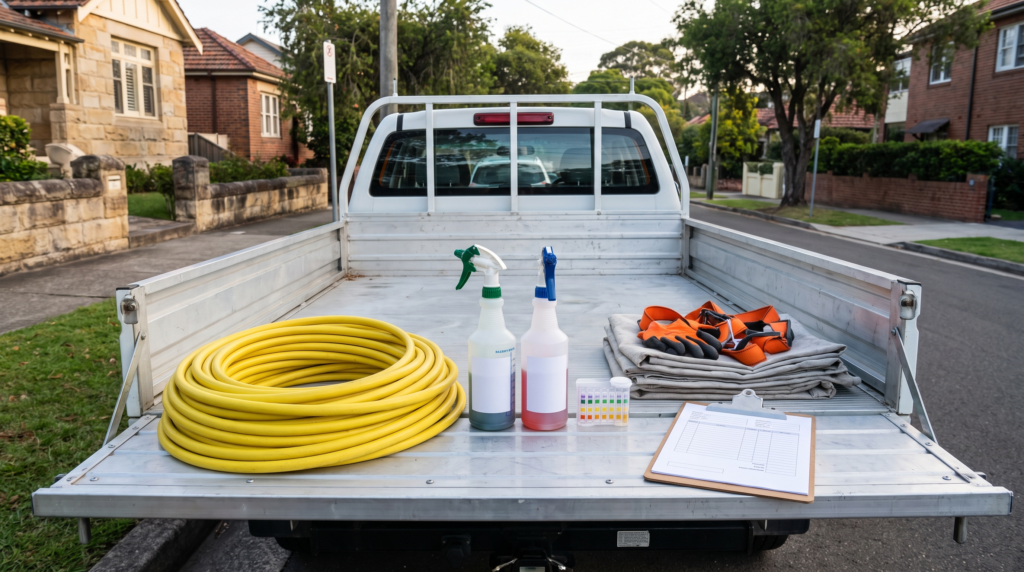
Method matched to the surface. Every quote states what we will use on each material and why. If you are looking at a quote — ours or anyone’s — that just says “pressure clean exterior” with a number next to it, you do not know what is about to be done to your house.
The part that costs us money
We turn work down, and it is the clearest test of whether any of the above is real.
We will not put high pressure on sandstone, limestone or heritage brick. We will not pressure wash roof tiles. We will not wash render that is already drummy or paint that is already lifting, because the wash finishes what was already happening and we get blamed for it — fairly, in a sense, because we should have known.
Sometimes that conversation ends with the owner going to someone who will do it. That is genuinely frustrating, and I have had a few of those jobs come back to us a year later looking much worse. But an operator who never says no is not being accommodating. They are just not looking.
What 500 properties teaches you
Across 500-odd properties and more than a hundred suburbs, the lesson that comes up most is that Sydney is not one environment. It is many, sitting close together.
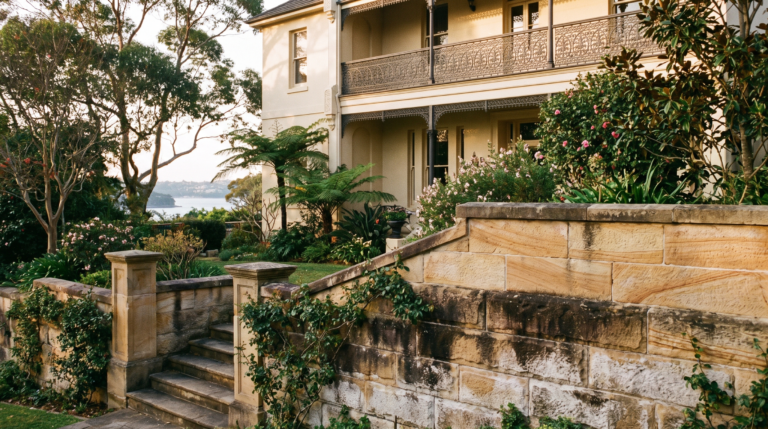
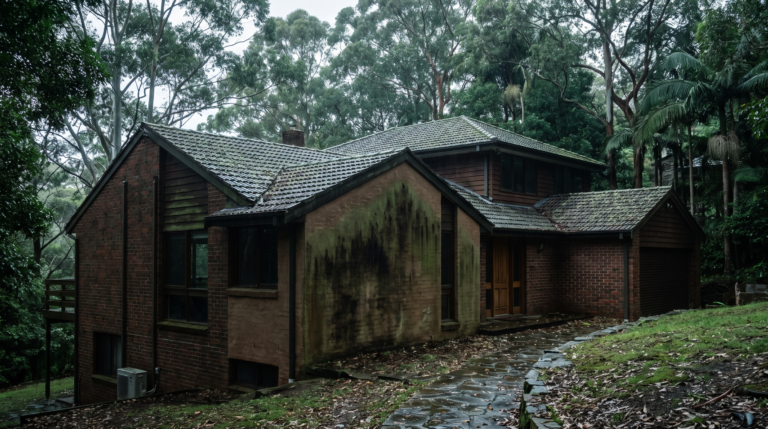
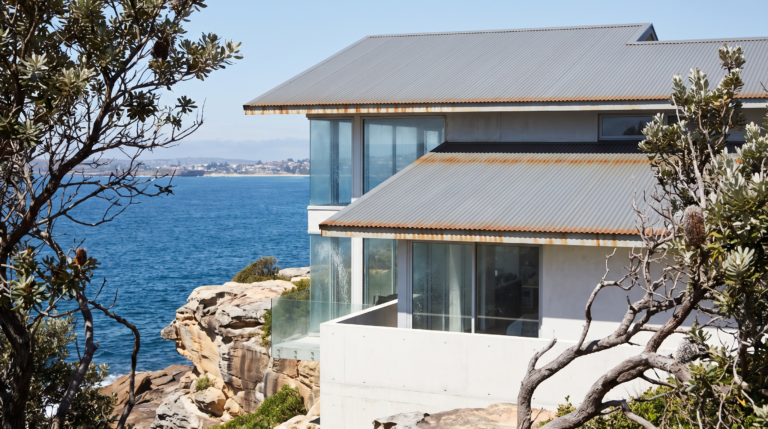
The salt load on an oceanfront house at Bondi does something completely different to what tree cover does to a home in Pymble. Harbourside sandstone fails in ways inland sandstone never does. A Paddington terrace and a Hills District acreage home have almost nothing in common except a roof and a gutter.
An operator who cleans every house the same way is right some of the time by accident. That is the difference the standard is meant to describe.
What to hold us to
Ask any contractor for their certificate of currency before they start — we carry $20 million public liability and will send it with the quote rather than waiting to be asked. Ask what product goes on each surface. Ask what happens if something is damaged. Ask for the photos.
Those questions are not rude. They are the ones that separate the operators who have thought about your house from the ones who have not, and any tradesperson worth using will be glad you asked.
If you want to see how we work, our full soft wash method is published here, step by step. Or request a fixed written quote and judge it yourself.