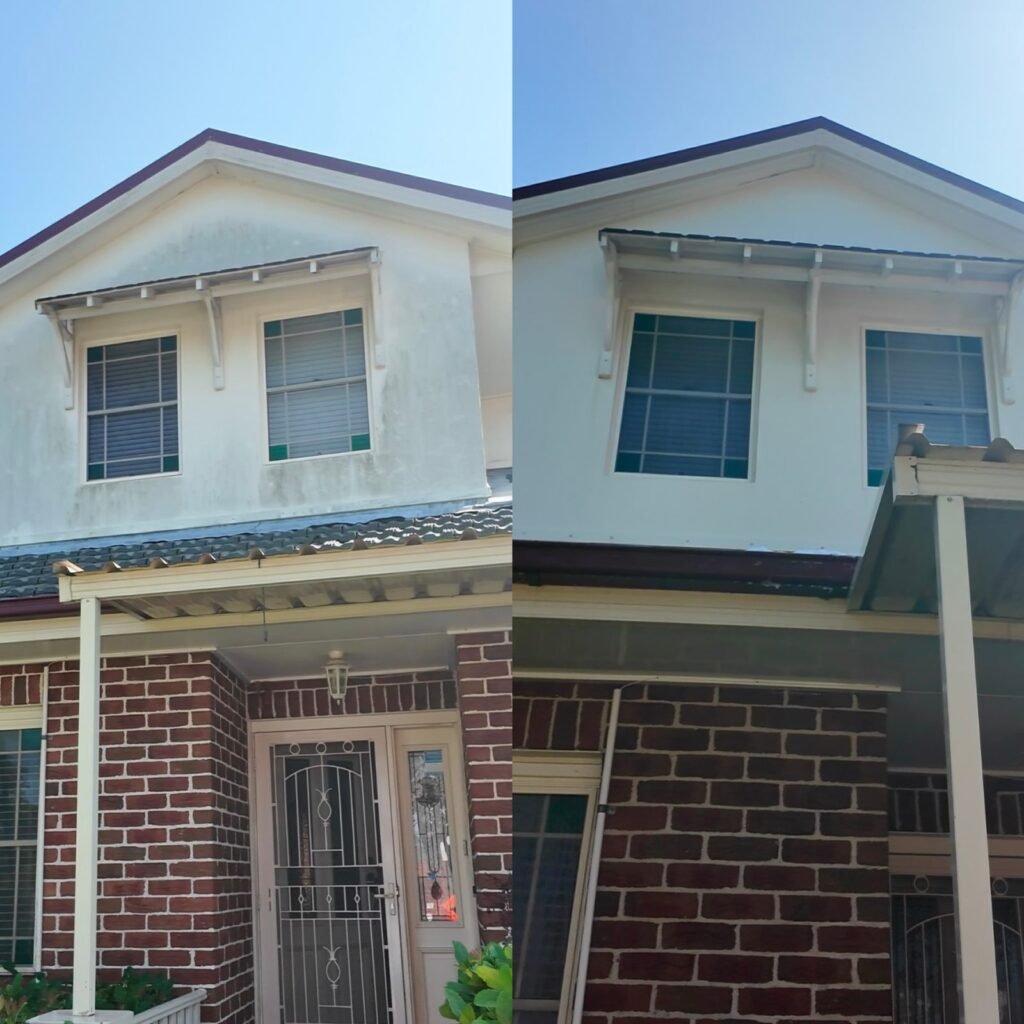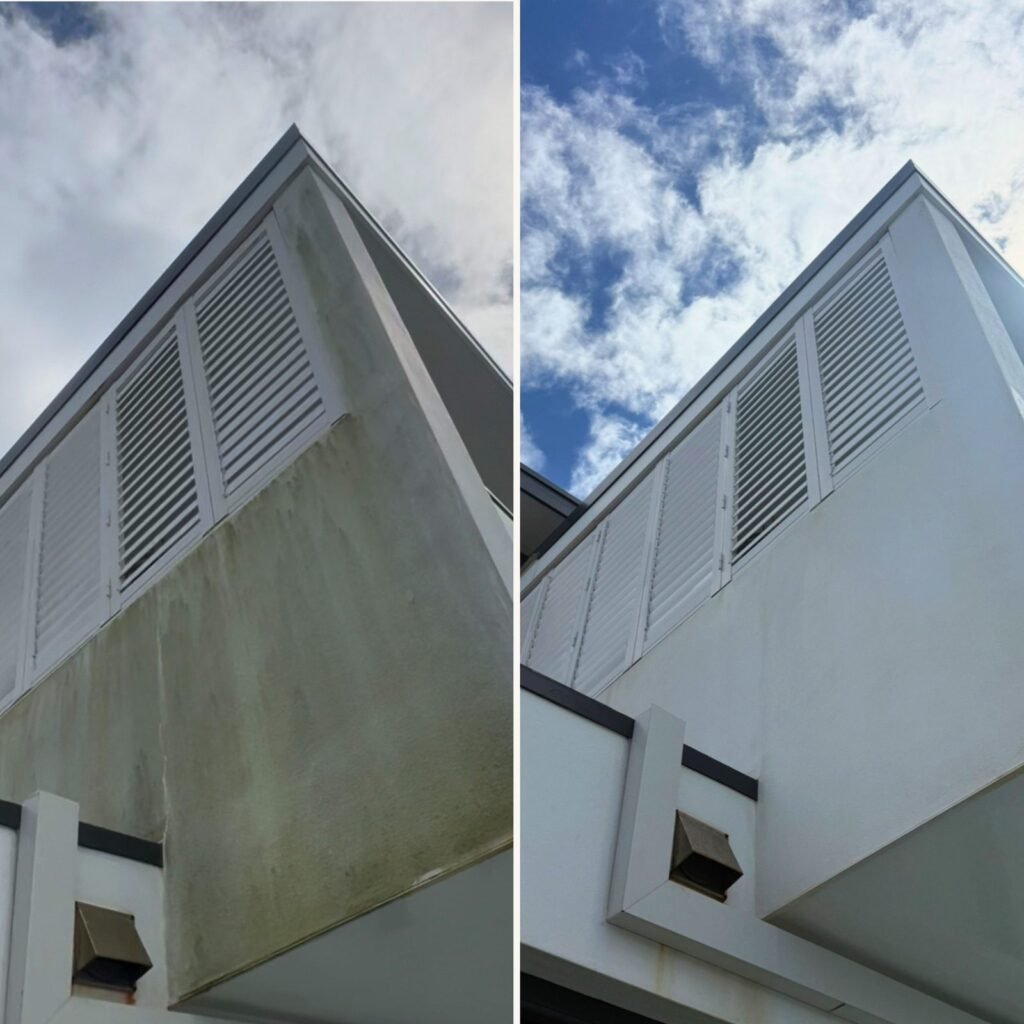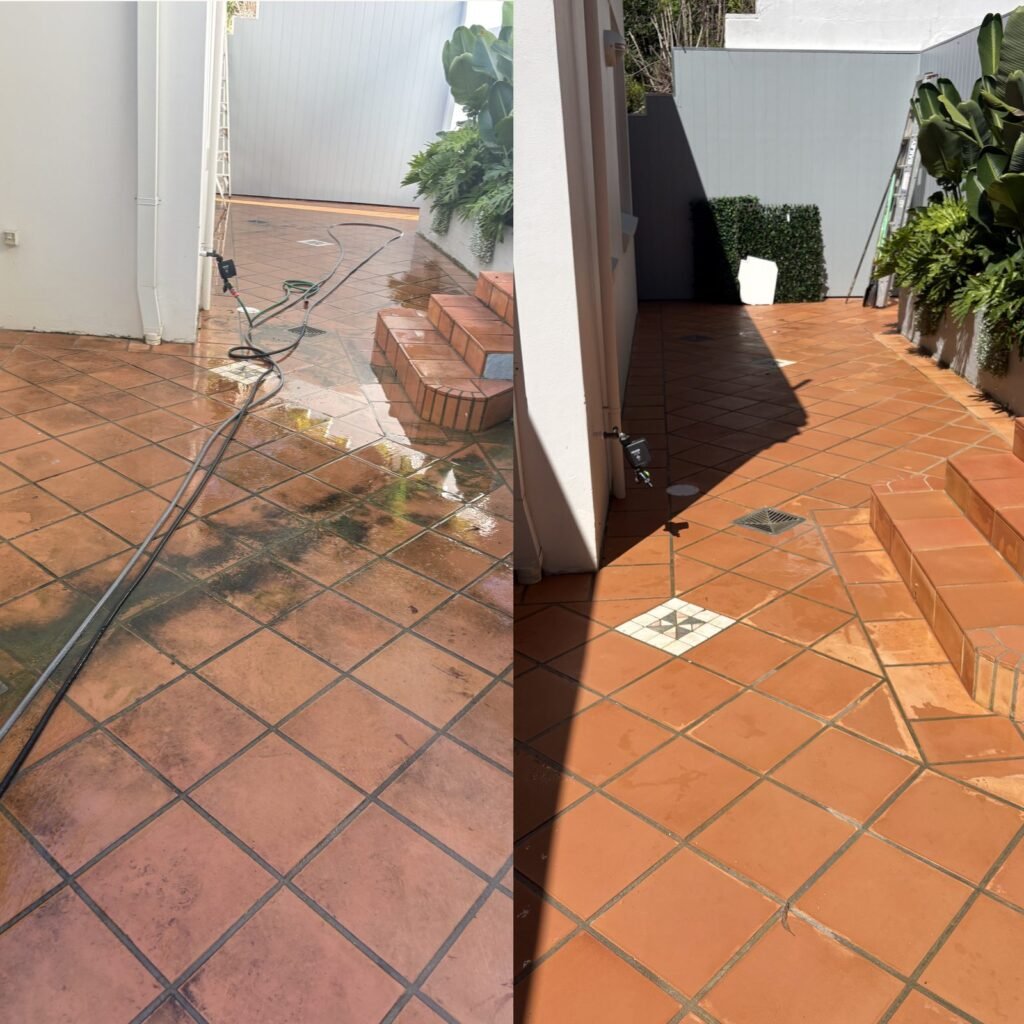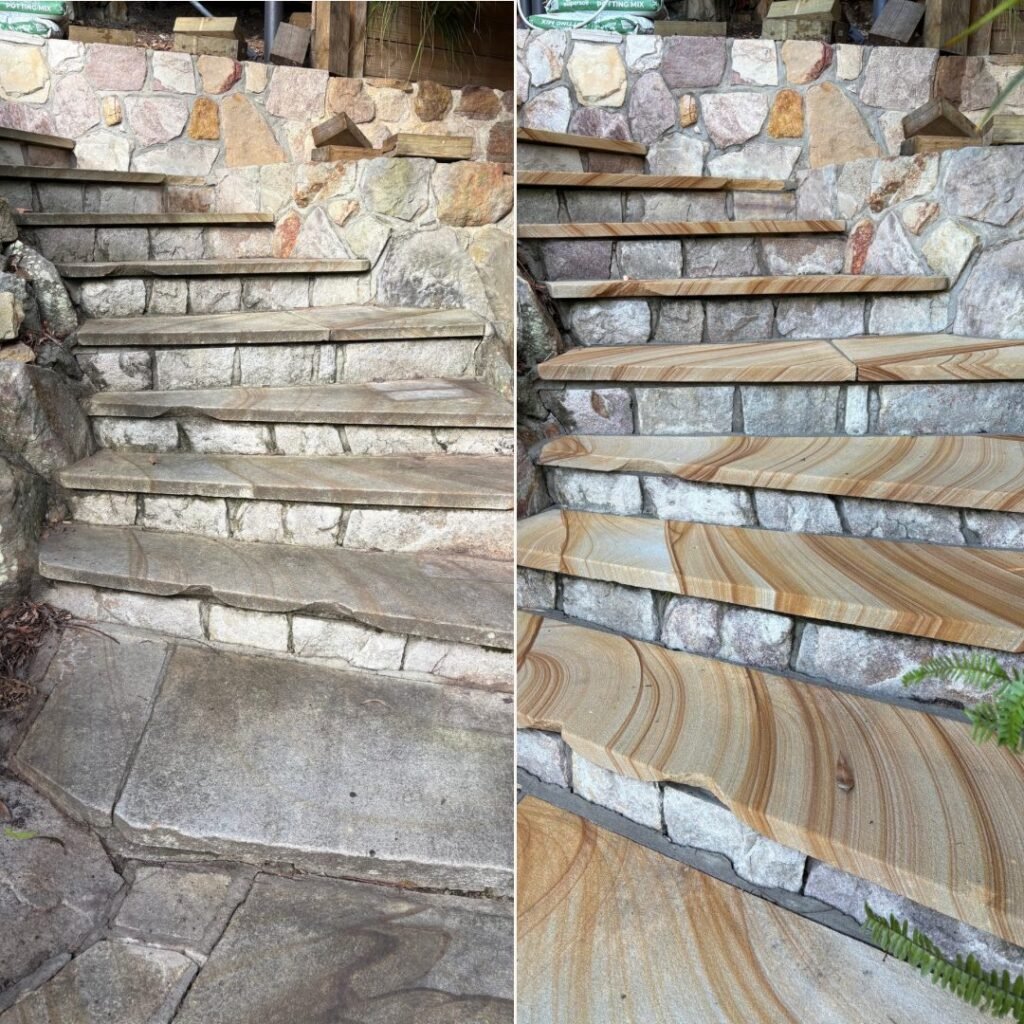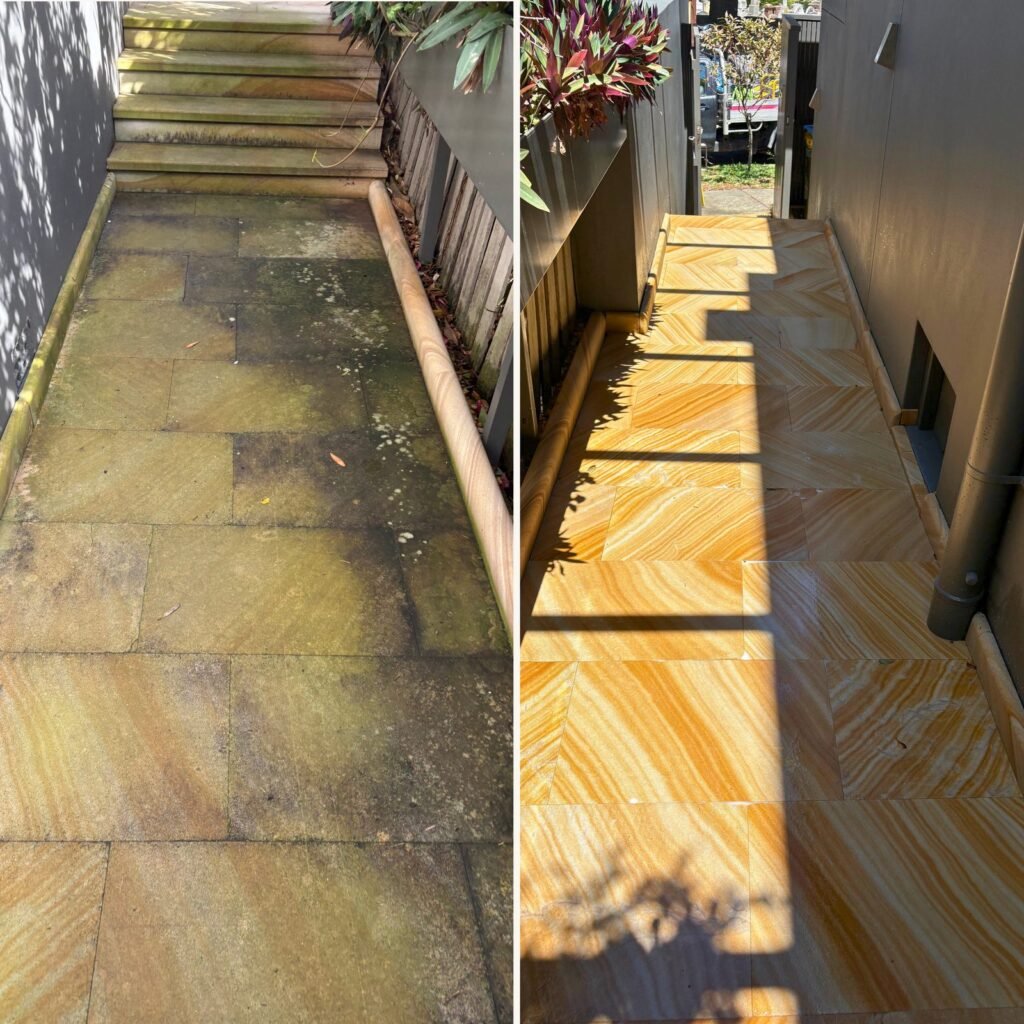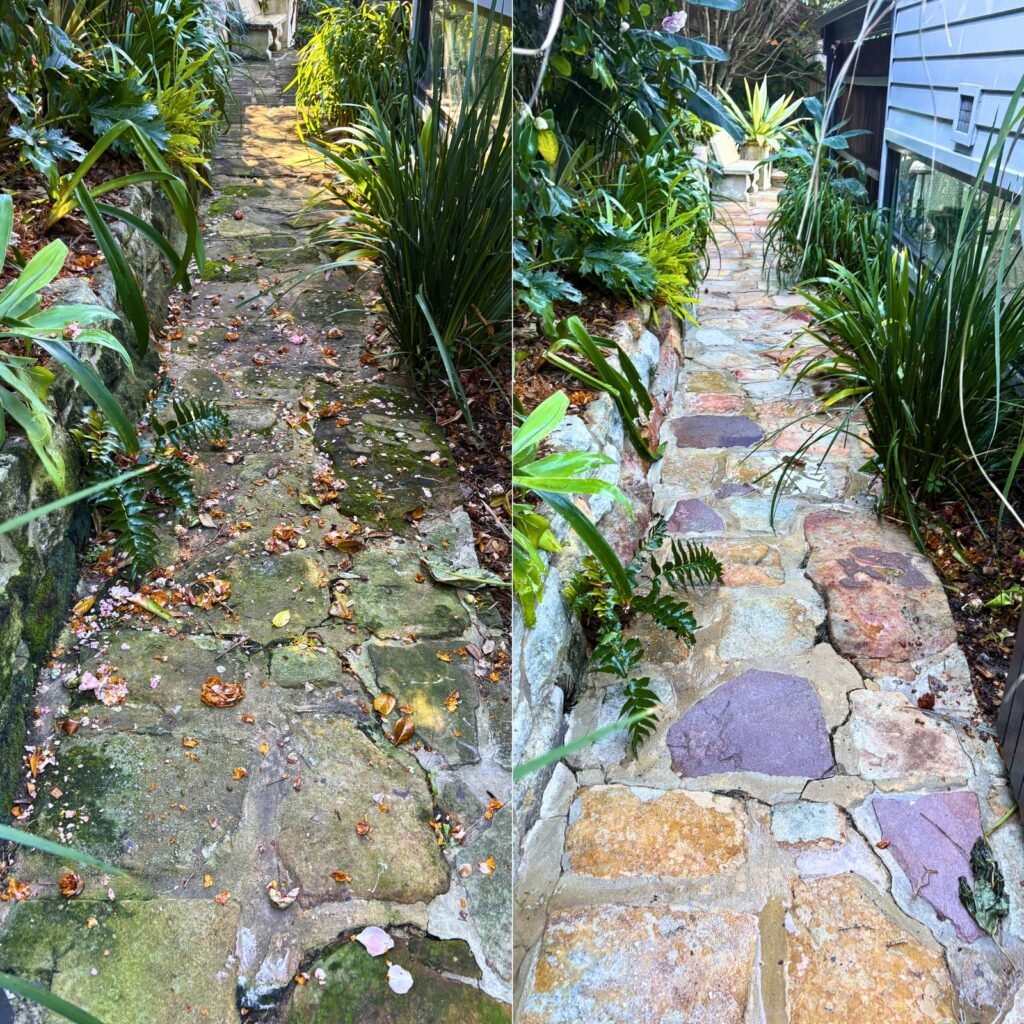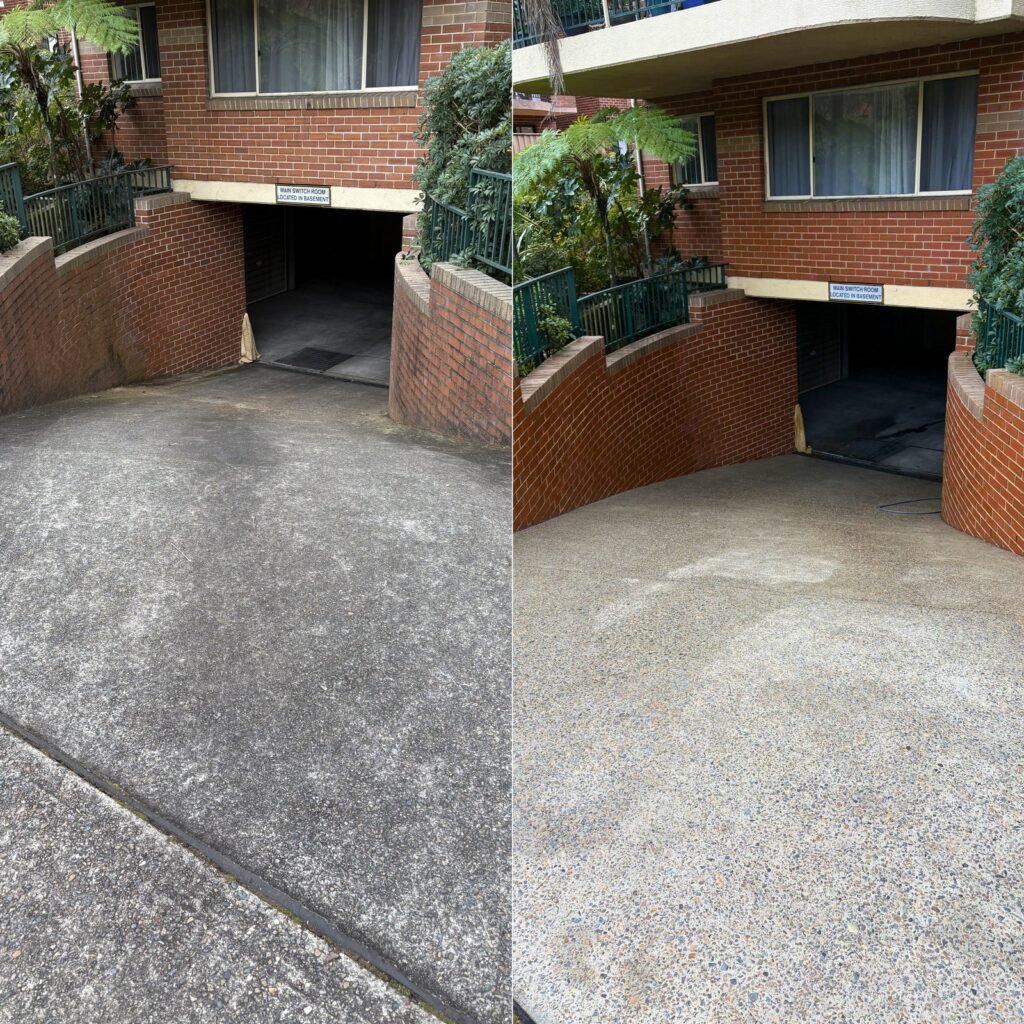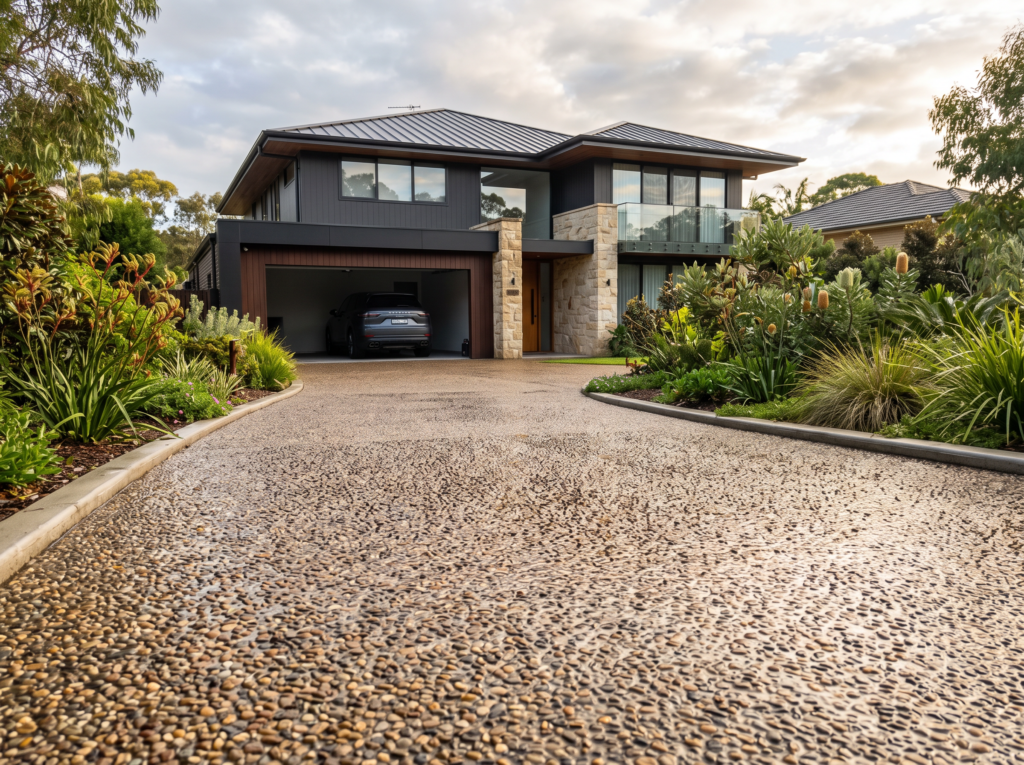
Sealing is the line item people query on a driveway quote — it’s optional, it’s invisible when done well, and it roughly doubles the job. Here’s what it costs in Sydney, what drives the price, and how to think about whether it’s worth it for your surface.
What concrete sealing costs in Sydney
As a working range: $5–$12 per square metre on top of cleaning for a quality penetrating sealer professionally applied, with wet-look and film-forming finishes toward the upper end. For a typical 40–60m² Eastern Suburbs driveway, that’s roughly $300–$700 as an add-on to a clean, or $600–$1,200 as a combined clean-and-seal. Small areas price above the per-metre rate because setup, masking and product minimums don’t scale down.
What moves the number: the sealer type (penetrating vs film-forming vs colour-enhancing), the surface’s porosity (old, thirsty concrete drinks more product), stain treatment needed before sealing, and access.
What you’re actually buying
Concrete is porous, and every pore is an open channel. Unsealed, it drinks engine oil, leaf tannin, rust and salt — and gives black algae the damp foothold it needs to recolonise. Sealed, those same contaminants sit on the surface and rinse off. The practical differences over the following years:
- Oil drips wipe up instead of becoming permanent shadows
- The surface stays visibly cleaner two to three times longer between washes
- Every future clean is faster and gentler — which also means the concrete itself wears less
- Near the coast, salt stops being drawn into the slab, where it crystallises and slowly breaks the surface apart from within
How long it lasts
A quality penetrating sealer on a driveway is typically good for 3–5 years; film-forming sealers show wear sooner in trafficked wheel paths and may want recoating around the 2–3 year mark. The water test works here too: when rain stops beading and starts soaking in dark, the sealer is done.
So is it worth it?
For a driveway you intend to keep presentable — especially exposed aggregate or coloured concrete, where stains are conspicuous and irreversible — usually yes: one prevented oil stain or one skipped rescue-clean covers most of the cost. The honest exceptions: concrete that’s already heavily stained (sealing locks the stains in — they must be treated first), surfaces due for repair, and freshly poured slabs, which need around a month to cure before sealing. Timing matters too: sealing belongs immediately after a professional clean, while the surface is prepared and dry — which is exactly how our clean-and-seal jobs run.