Graffiti removal gets treated as a single job. It is not. The paint is broadly similar wherever it lands — the substrate underneath is what determines whether removal works cleanly, leaves a shadow, or does more damage than the tag did.
Porosity decides everything
Spray paint on a non-porous surface sits on top of it. On a porous surface it soaks in.
That single distinction sets the approach. Glass, glazed tile, powder-coated metal and sealed surfaces hold paint superficially, and it can usually be lifted with an appropriate solvent gel and minimal mechanical work.
Sandstone, unsealed concrete, render, brick and mortar draw the carrier into the pores within minutes. Removing what is visible on the surface still leaves pigment below it, and that is where the ghost image comes from.
Speed genuinely matters on porous surfaces. Paint removed within a couple of days comes out far more completely than paint that has had a fortnight to cure and migrate.
Sandstone is the hardest case
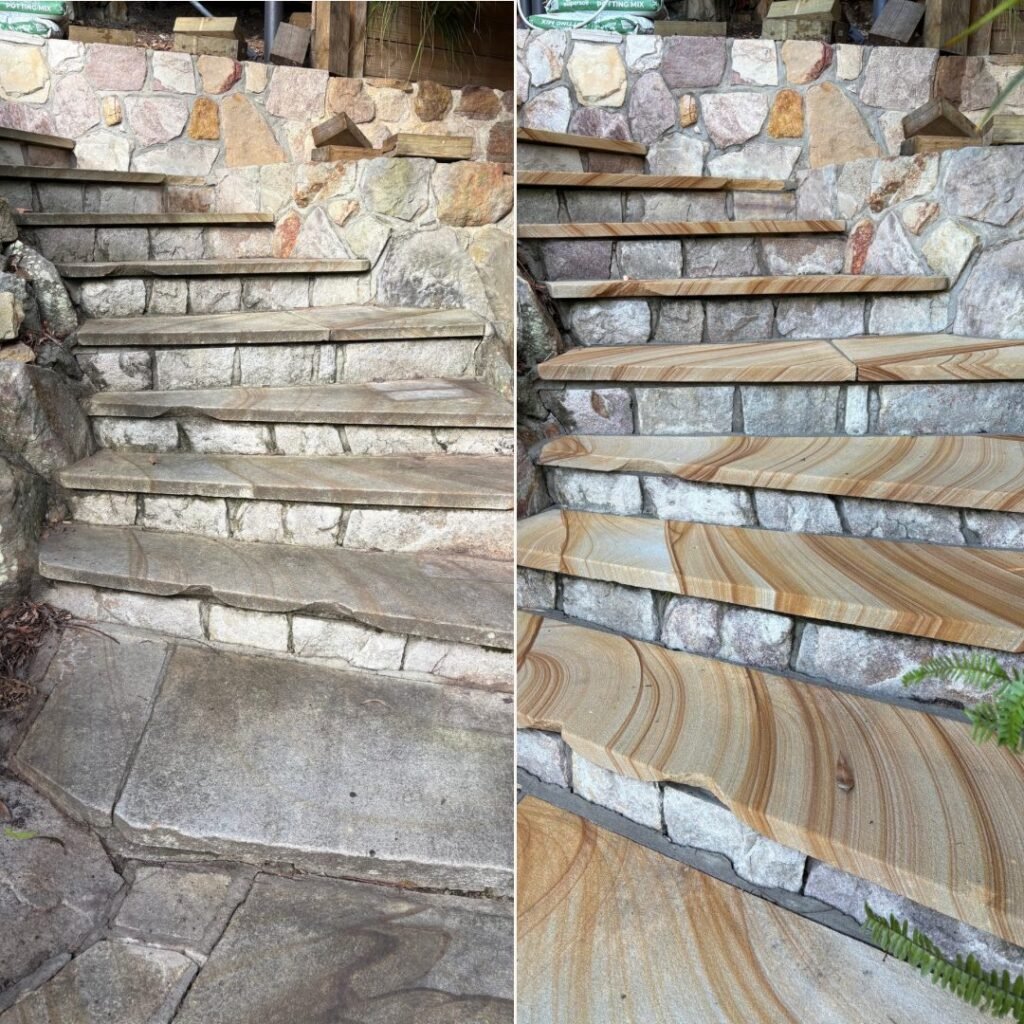
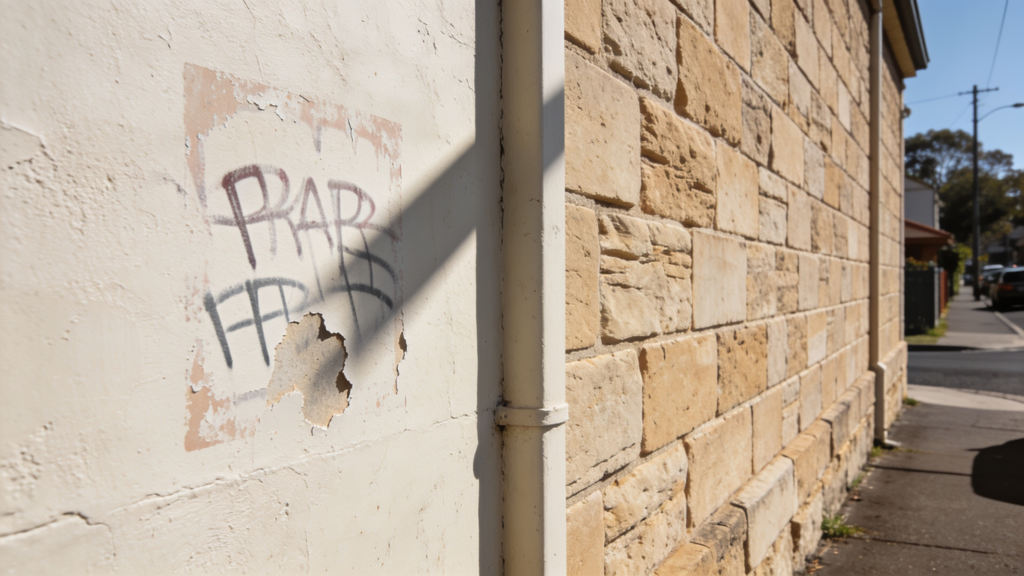
Sydney has a lot of sandstone, and it is the worst surface to have tagged.
It is soft, highly porous, and it cannot tolerate the two things people reach for: aggressive solvents and high pressure. Solvents can drive pigment deeper rather than lifting it. Pressure removes the stone face along with the paint, leaving a clean patch that is visibly recessed and lighter than the surrounding weathered surface — which reads as damage from across the street.
Poulticing is the technique that actually suits it. A absorbent paste carrying a solvent is applied, left to dwell for hours, and draws pigment back out of the stone as it dries. It is slow, it often needs repeating, and it is the only approach that respects the material.
On heritage-listed sandstone, removal methods may be constrained by council conditions. Worth checking before anyone starts.
Render and painted walls
Rendered walls present a different trap. Removal often succeeds technically and still looks wrong, because taking the graffiti off also takes some of the paint film or the render’s weathered surface with it.
The result is a clean patch surrounded by years of accumulated grime. On a wall with any age on it, the honest recommendation is frequently to remove what can be removed and then repaint the affected elevation to a natural break — a corner, a downpipe, a control joint — rather than leaving a halo.
Colorbond, glass and metal
Powder-coated metal usually cleans up well, with the caveat covered elsewhere on this site: a chalked, UV-degraded coating will lose colour along with the paint, and you discover the coating had already failed.
Glass has its own problem — etched or acid-tagged glass is not a cleaning job at all. Chemical etching removes glass, and no product puts it back. Light etching may polish out; deep etching means replacement.
Scratch tagging on glass and polished stainless is likewise permanent.
Anti-graffiti coatings
For a wall that gets hit repeatedly, a protective coating is usually the better economics.
Sacrificial coatings sit on the surface as a barrier; removal takes the coating and the graffiti together, and the coating is reapplied. They are cheaper and need renewal after each incident.
Permanent coatings survive multiple cleans but change the surface appearance — often adding a slight sheen, which matters on heritage masonry where that look is inappropriate.
Neither is invisible on porous stone, and that trade-off should be explained before application rather than after.
What to do when it happens
- Photograph it, particularly if you intend to report it or claim
- Act quickly — the first few days matter far more than people expect
- Do not try solvents from the hardware store on sandstone or render
- Do not pressure wash porous stone to remove paint
- Ask what method will be used and what the realistic result looks like
- Expect a shadow on porous surfaces and decide upfront whether repainting is part of the job
Anyone quoting removal from sandstone without mentioning poulticing, dwell time or the possibility of a residual shadow has not done much of it.
Related: why Sydney sandstone turns black and cleaning Colorbond without chalking it.