A significant share of the housing we work on sits in a heritage conservation area, and a smaller share is individually listed. Owners are often unaware of which applies to them, because the constraint only surfaces when someone proposes to change something.
Cleaning is an awkward category. Some of it is plainly routine maintenance. Some of it permanently alters historic fabric, and that is a different question.
Two different things that get confused
An individually listed item is a specific property identified as having heritage significance, either on a council’s local environmental plan or on the State Heritage Register. Controls are tighter and apply to the building itself.
A heritage conservation area is a precinct, and most affected owners are in one of these. The controls generally focus on what is visible from the public domain and on the character of the streetscape. Large parts of Paddington, Woollahra, Glebe, Balmain, Hunters Hill and Millers Point fall into this category, along with pockets across the North Shore and Northern Beaches.
Which applies to a given property is a matter of the local environmental plan and the council’s development control plan, and it is worth checking rather than assuming. Councils publish heritage maps, and a planning certificate for the property will state it.
Where cleaning sits
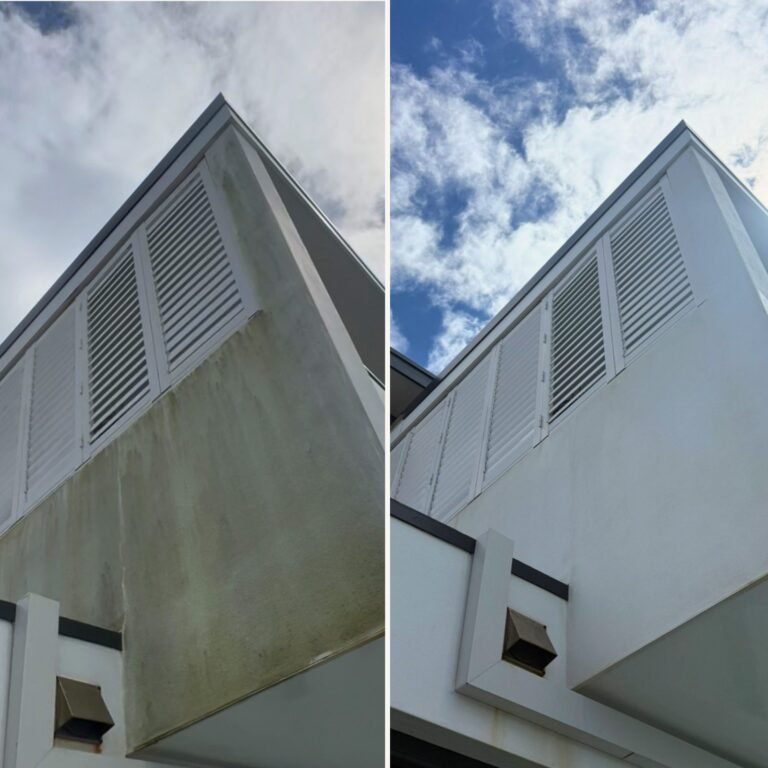
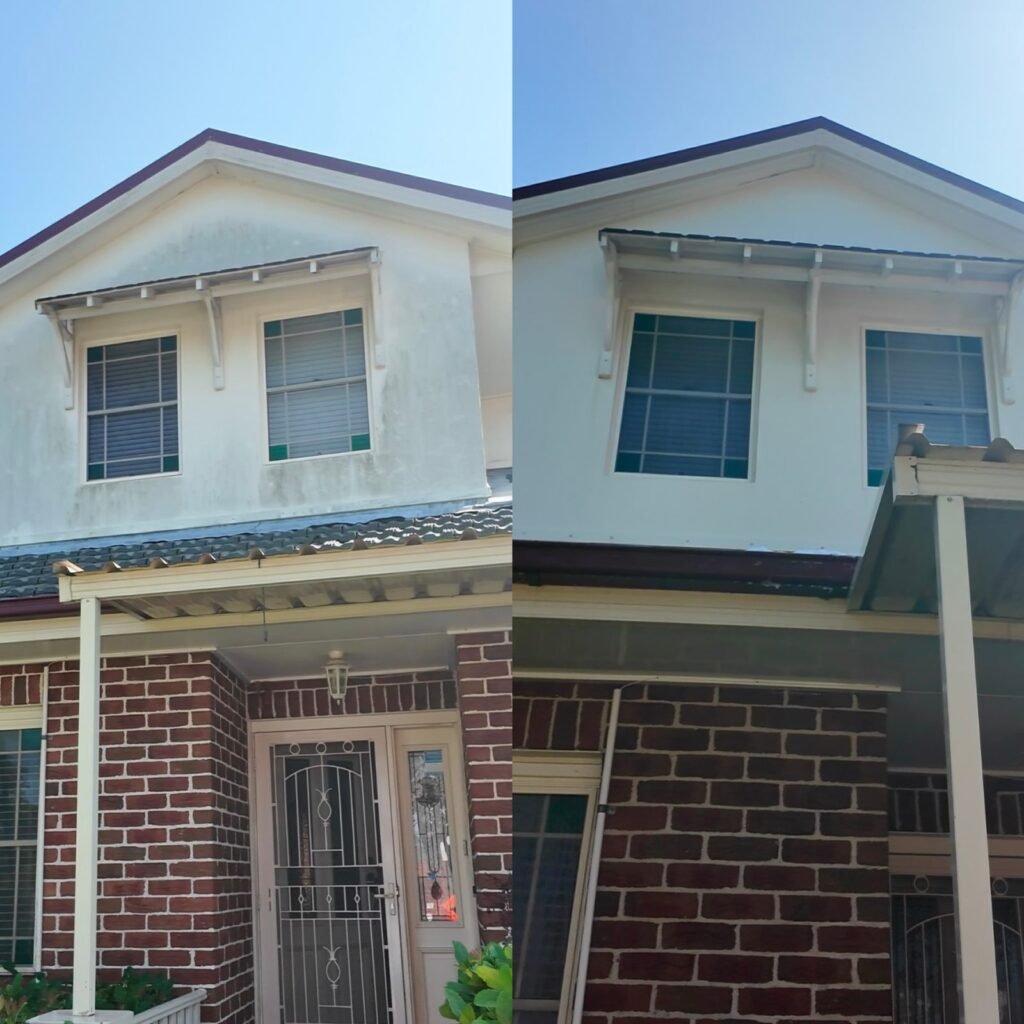
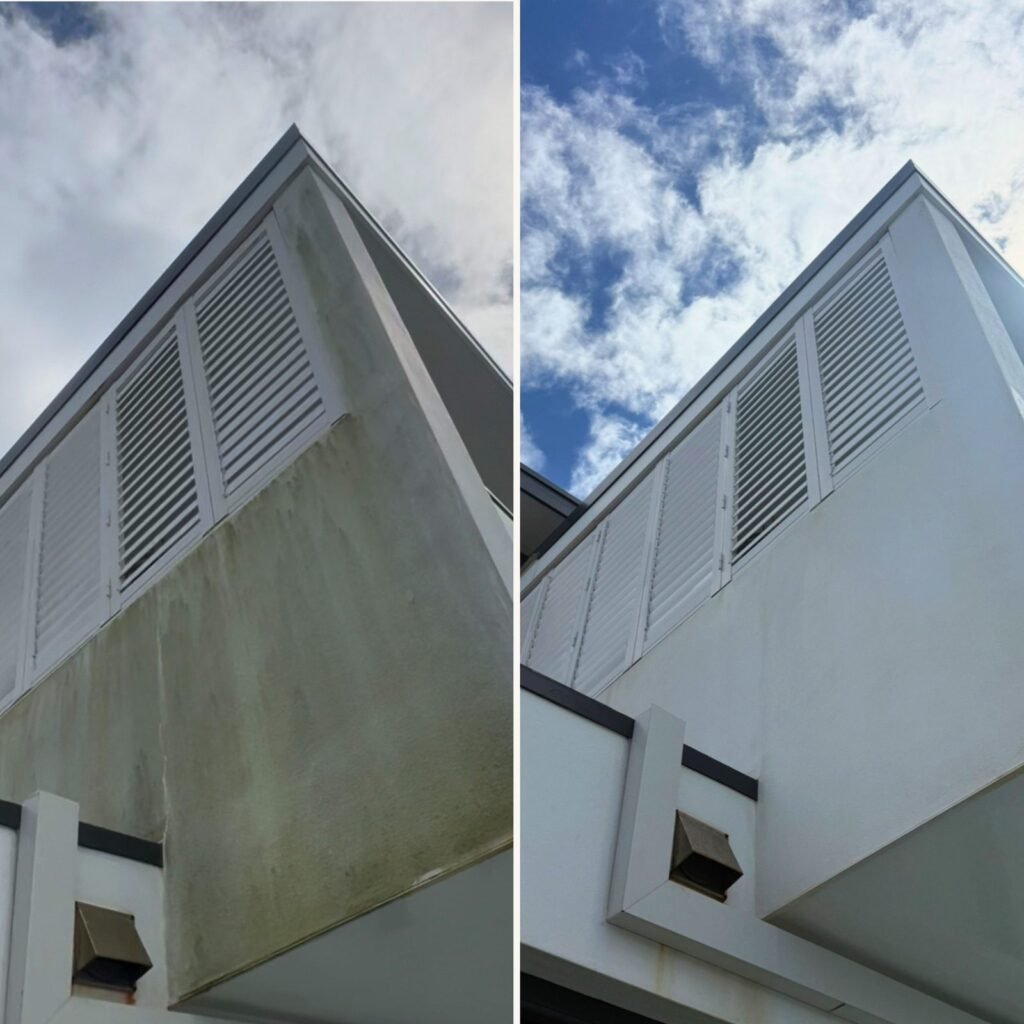
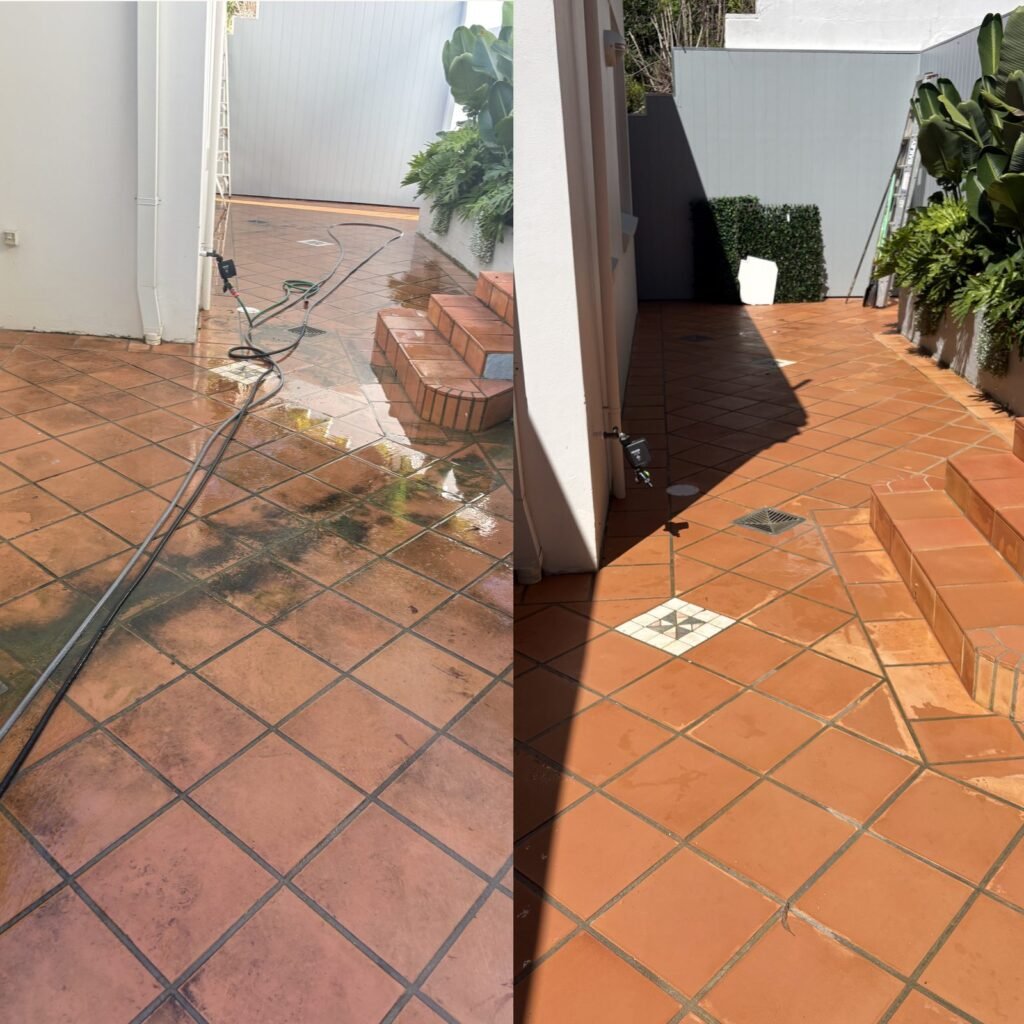
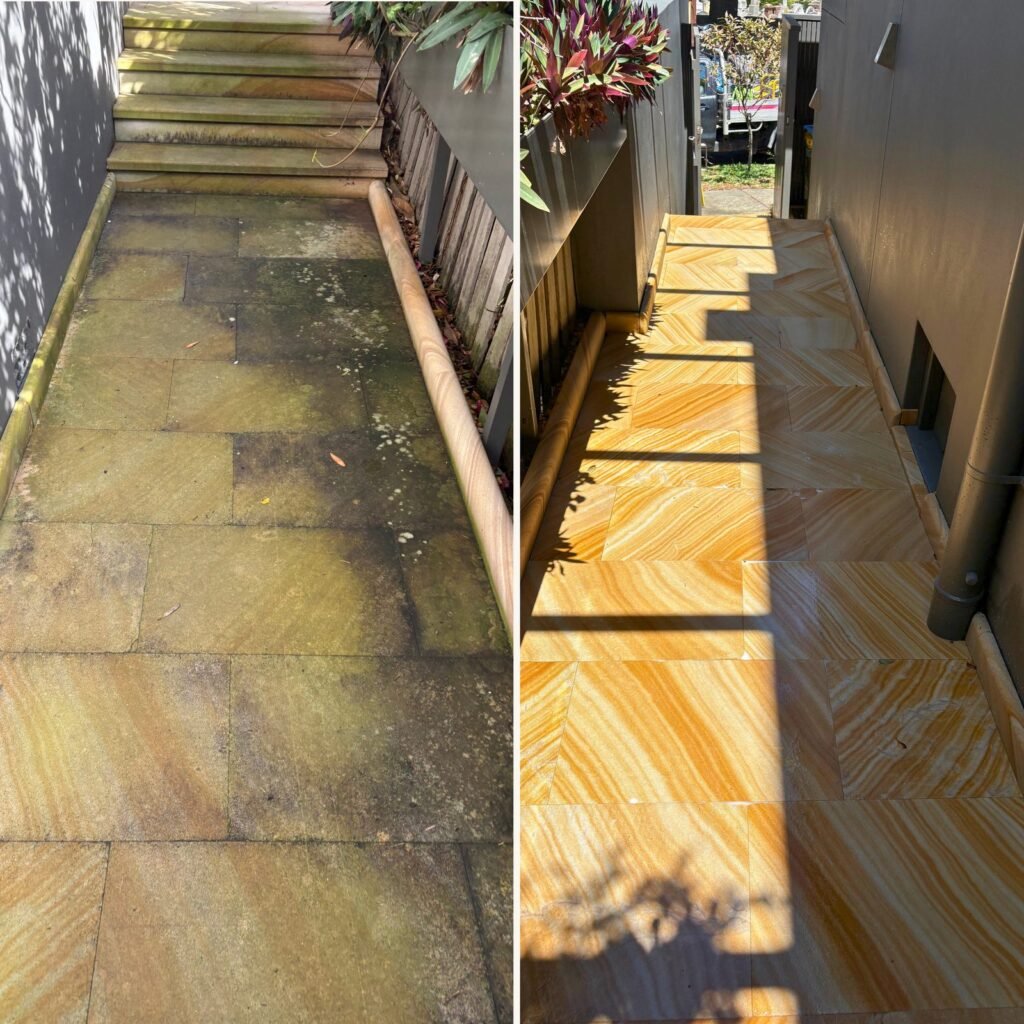
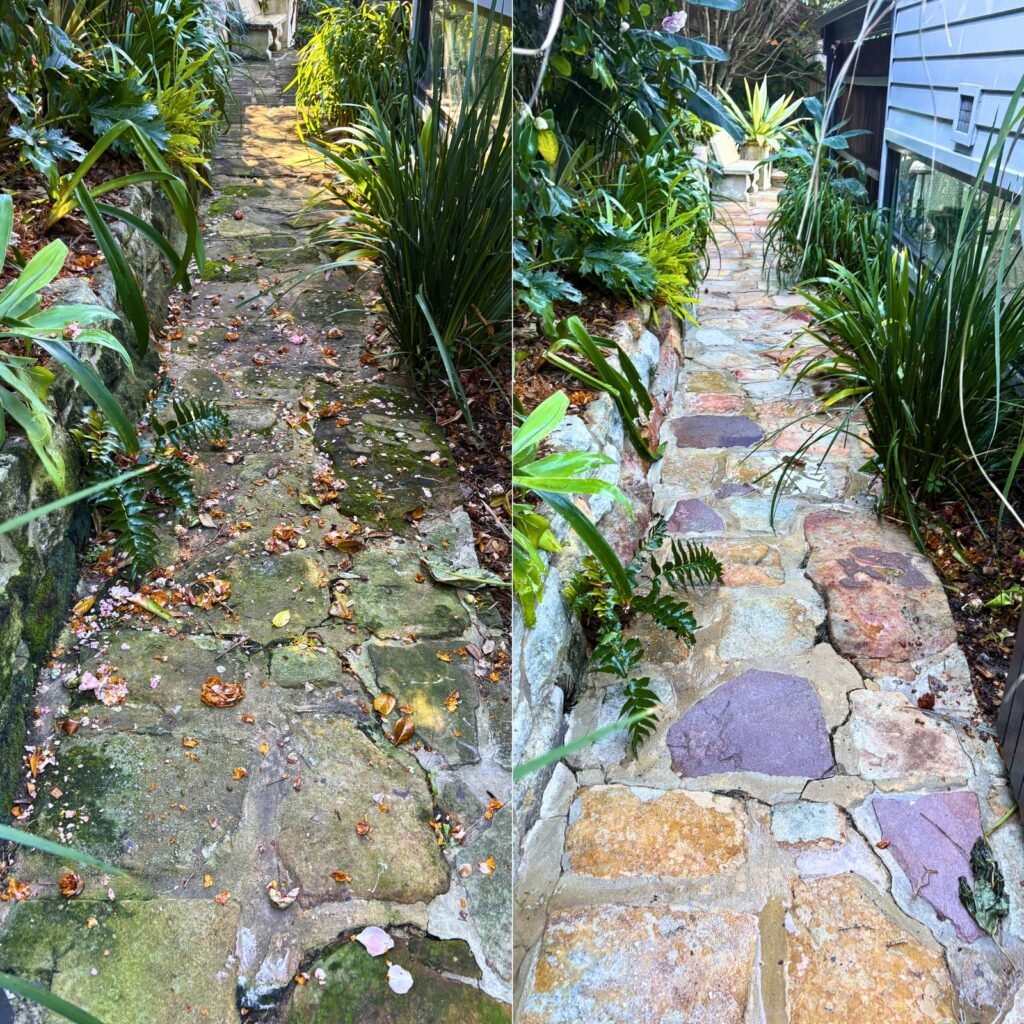
Ordinary maintenance that returns a surface to its existing condition without altering it is generally treated as maintenance. Washing algae off a painted wall, clearing gutters, cleaning windows and removing moss from a path fall comfortably into that.
The work that raises questions is anything that changes the appearance or removes original material:
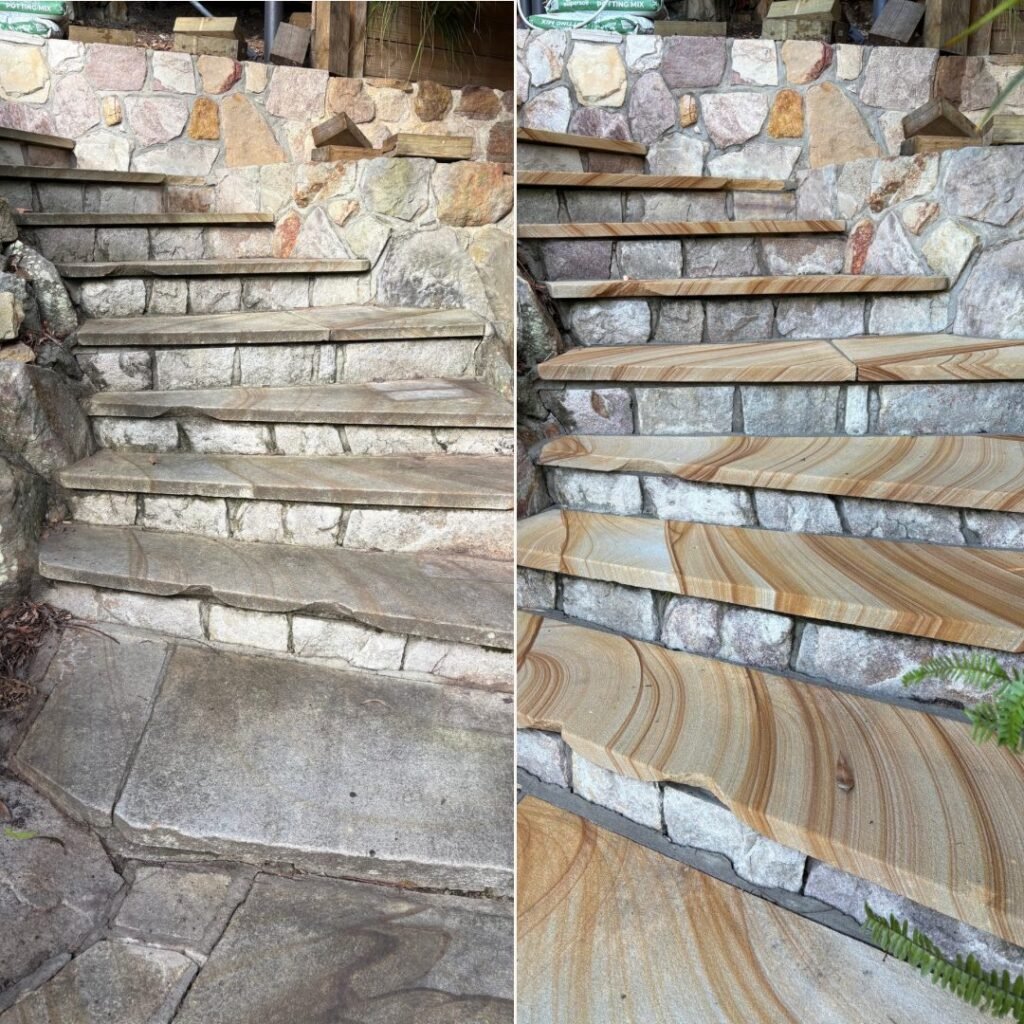
- Abrasive or chemical cleaning of face brickwork or original sandstone.
- Removing paint from previously painted masonry, or painting masonry that was never painted.
- Anything affecting original lime mortar and tuckpointing.
- Cleaning that removes the patina from aged stone or slate.
- Sealing or coating original masonry.
The reliable approach is to ask the council’s heritage adviser before the work rather than after. Most councils will answer a straightforward question about proposed cleaning without a formal application, and that conversation is free. Proceeding without it and being wrong is not.
Why the fabric itself argues for restraint
Even setting the planning question aside, aggressive cleaning of heritage masonry is usually a poor technical decision. Sydney sandstone weathers to a protective outer skin, and removing it accelerates decay of the softer stone underneath. Lime mortar is deliberately softer than the brick around it and is destroyed by methods that modern cement mortar tolerates.
This is why our work on sandstone and heritage brickwork is low pressure by default. It is not only about approvals; it is that the aggressive method damages the thing it is cleaning.
Slate and terracotta roofs
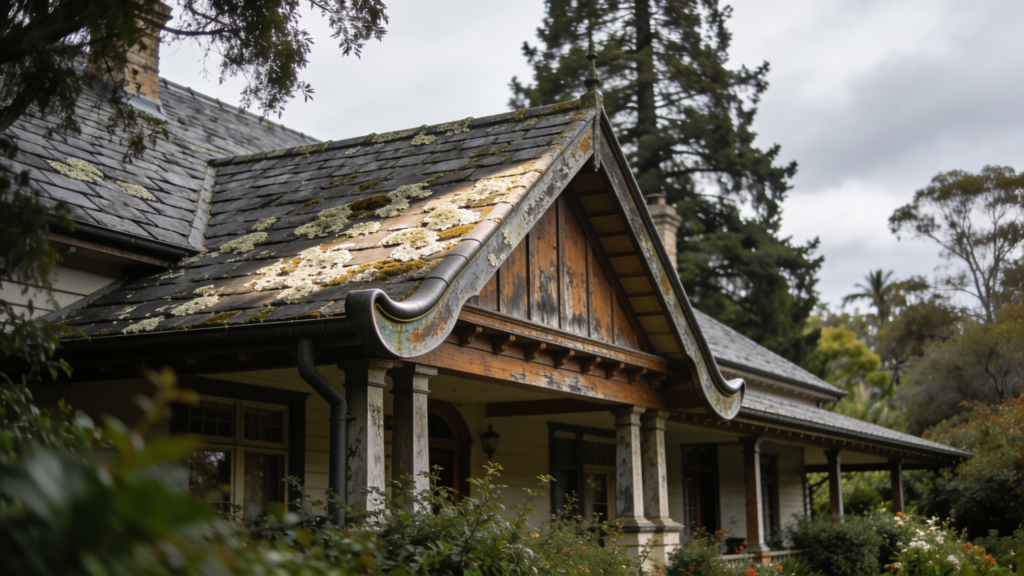
Original slate and unglazed terracotta on Federation-era houses are among the least forgiving surfaces in the city. Slate delaminates under pressure and terracotta is porous once the original surface is worn. Lichen on either is removed by treatment and time, not mechanically, and expecting a uniform new-looking finish on a hundred-year-old roof is not realistic.
The related detail is under terracotta roof cleaning and roof moss treatment.
What to establish before booking
- Is the property listed, or in a conservation area? Check the planning certificate.
- Does the proposed work change appearance, or only remove growth and dirt?
- Has the council heritage adviser been asked, where there is any doubt?
- Is the contractor proposing anything abrasive on original fabric?
Strata and shared buildings
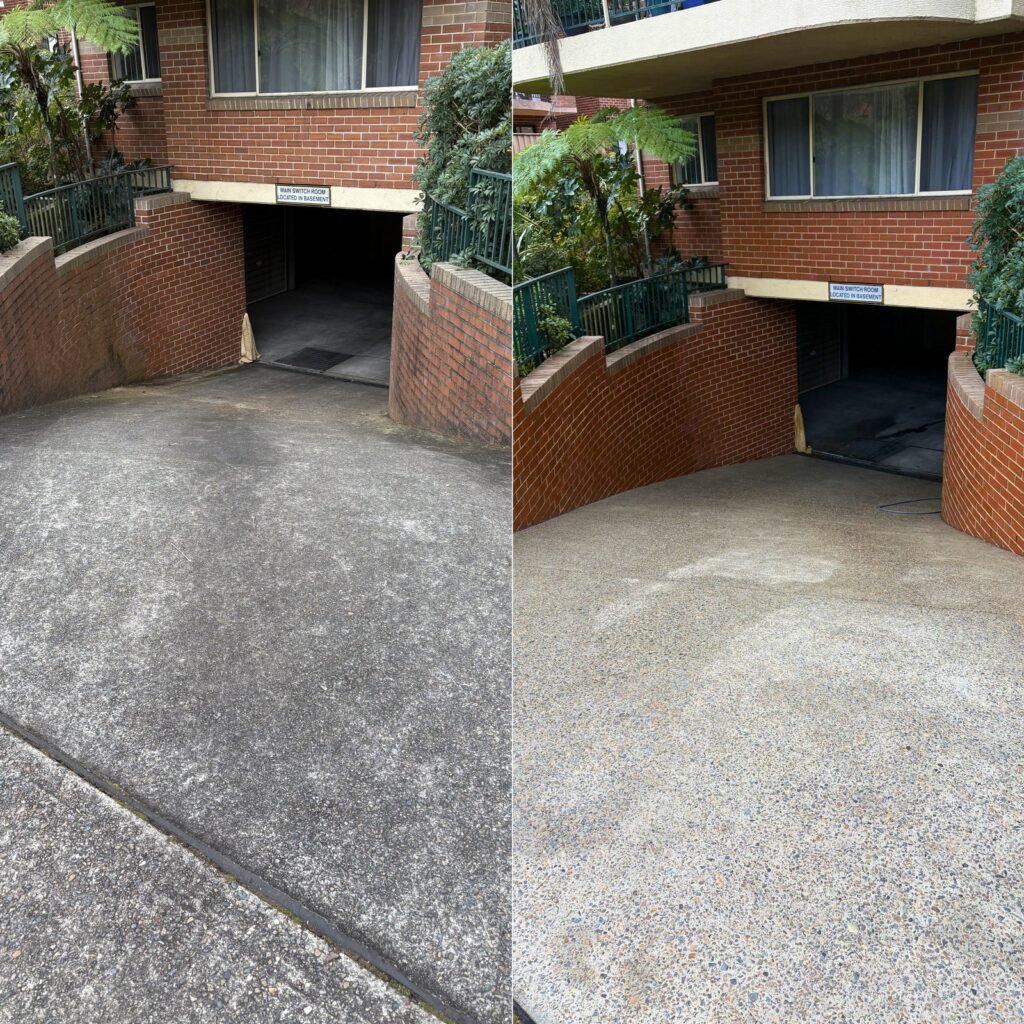
In a heritage-listed apartment block the decision is the owners corporation’s rather than an individual owner’s, and the approval question sits alongside the by-laws. That is covered further under strata cleaning.
Written by the team at The Prestige Standard, exterior cleaning contractors working across Sydney. Fixed written quotes within 24 hours with every surface itemised, $20 million public liability. See our service areas or call 0494 810 609.
General information only. Heritage controls vary by council and by property. Check with your local council before proceeding.