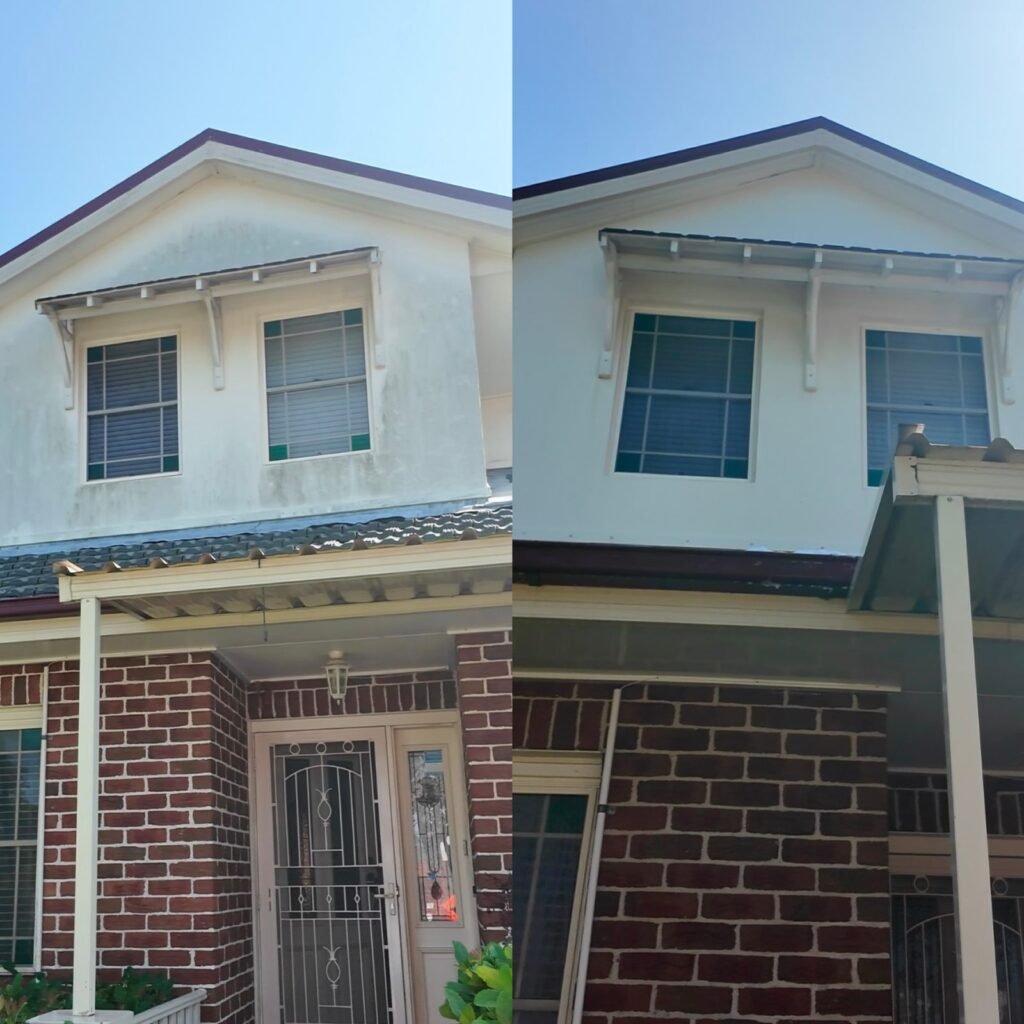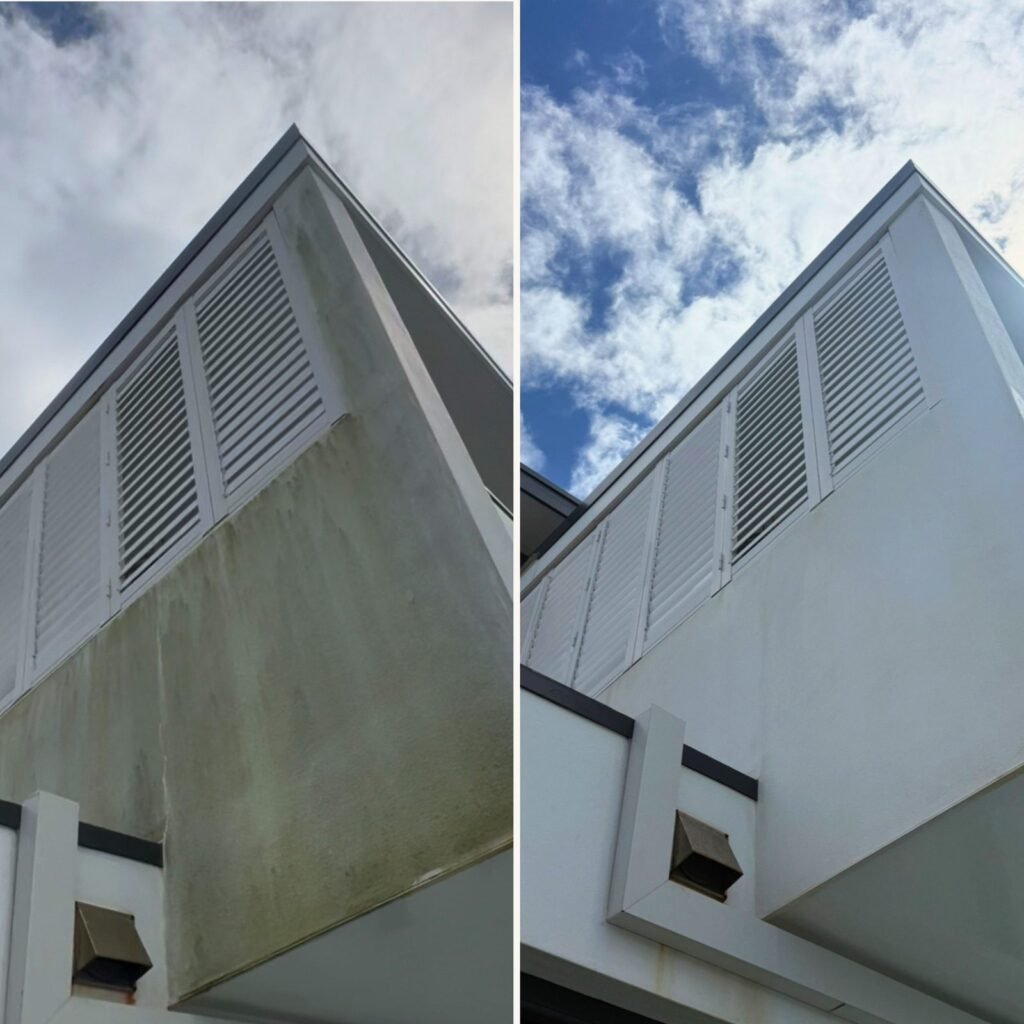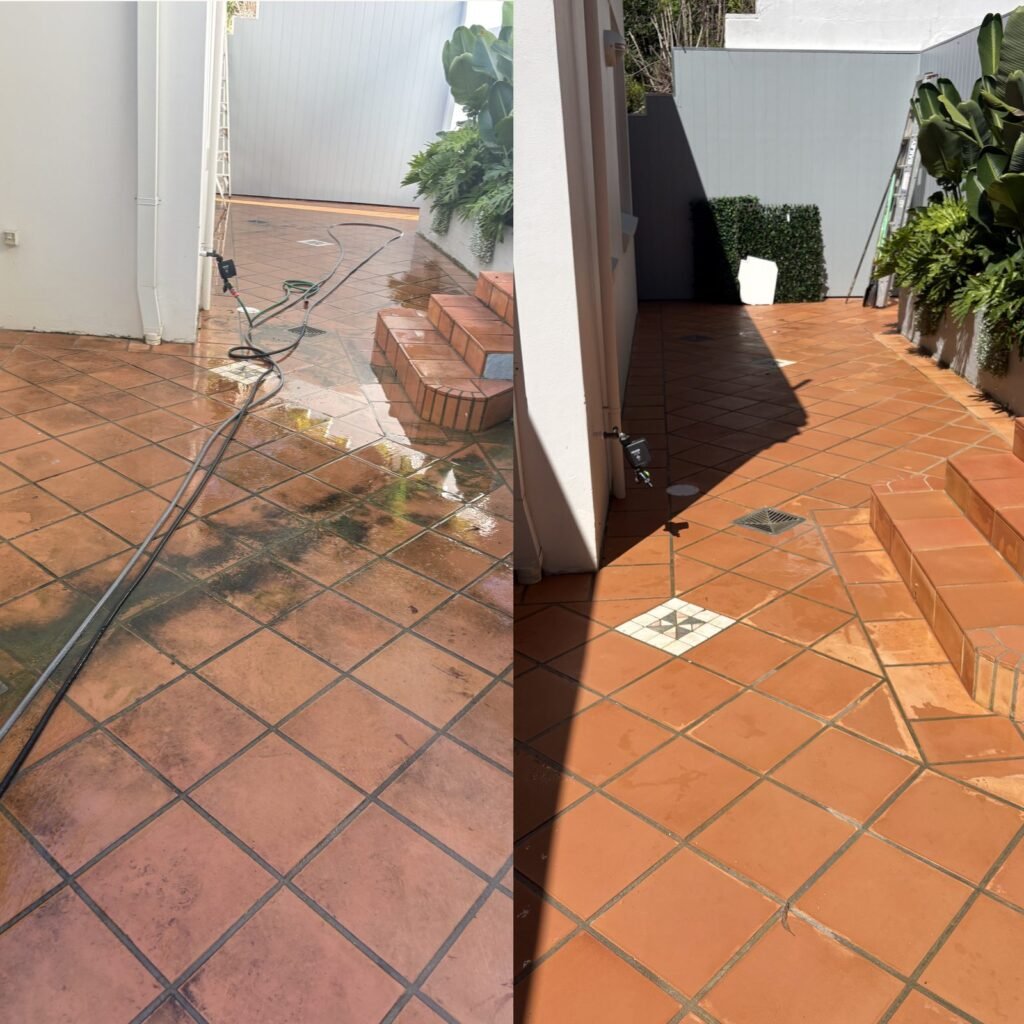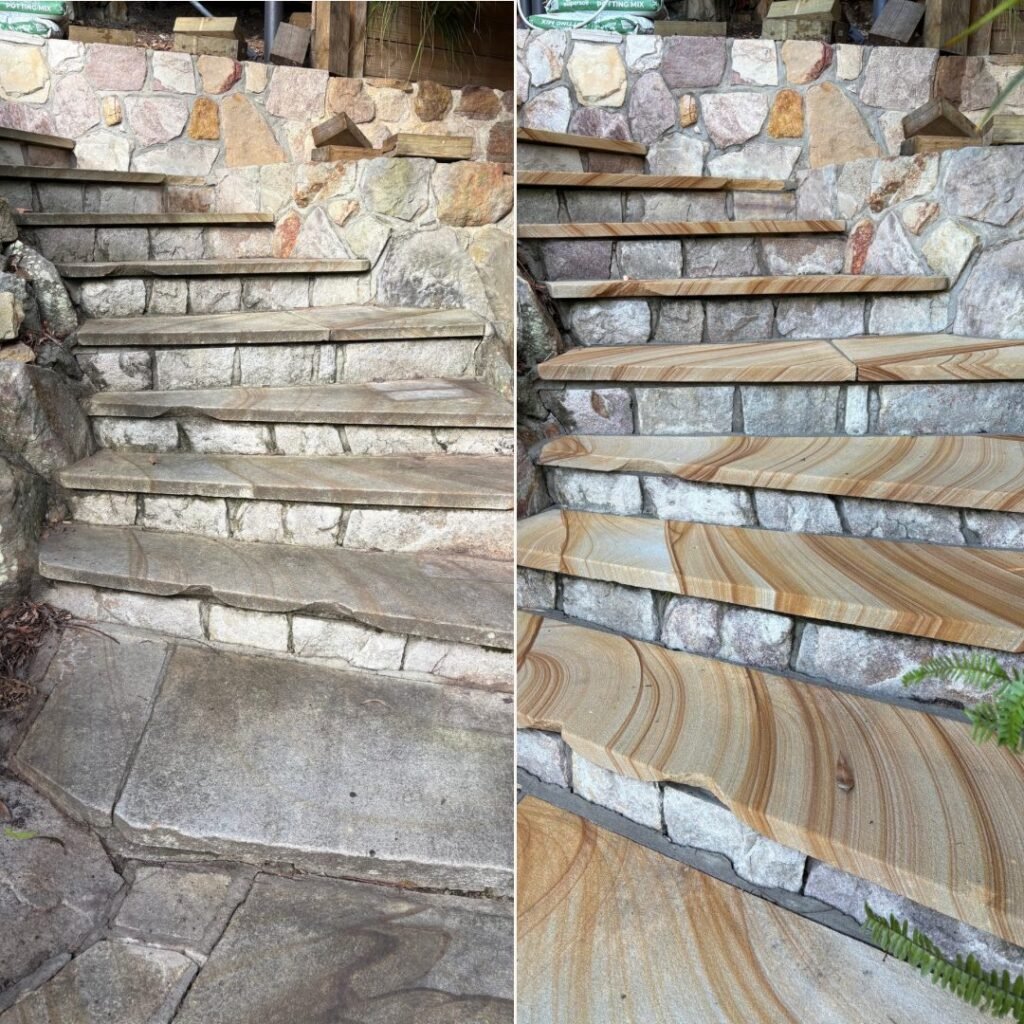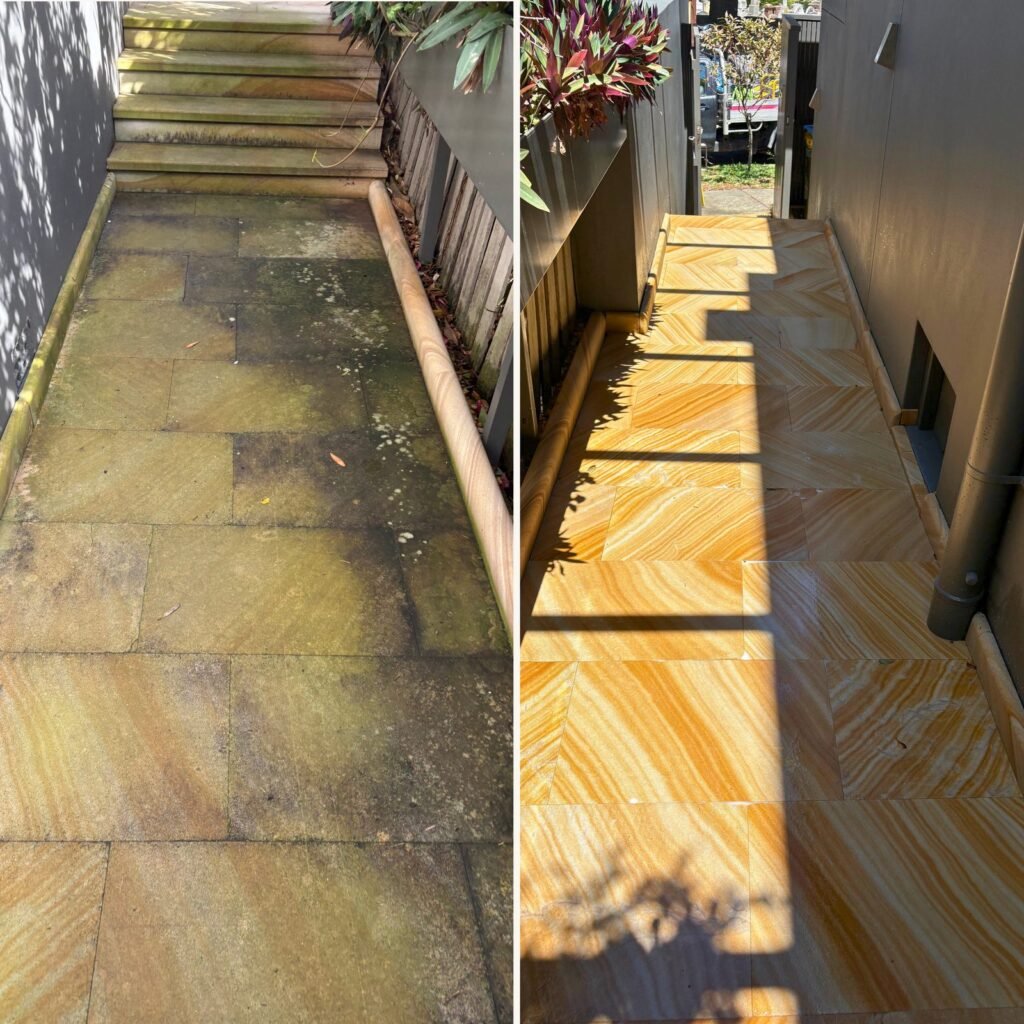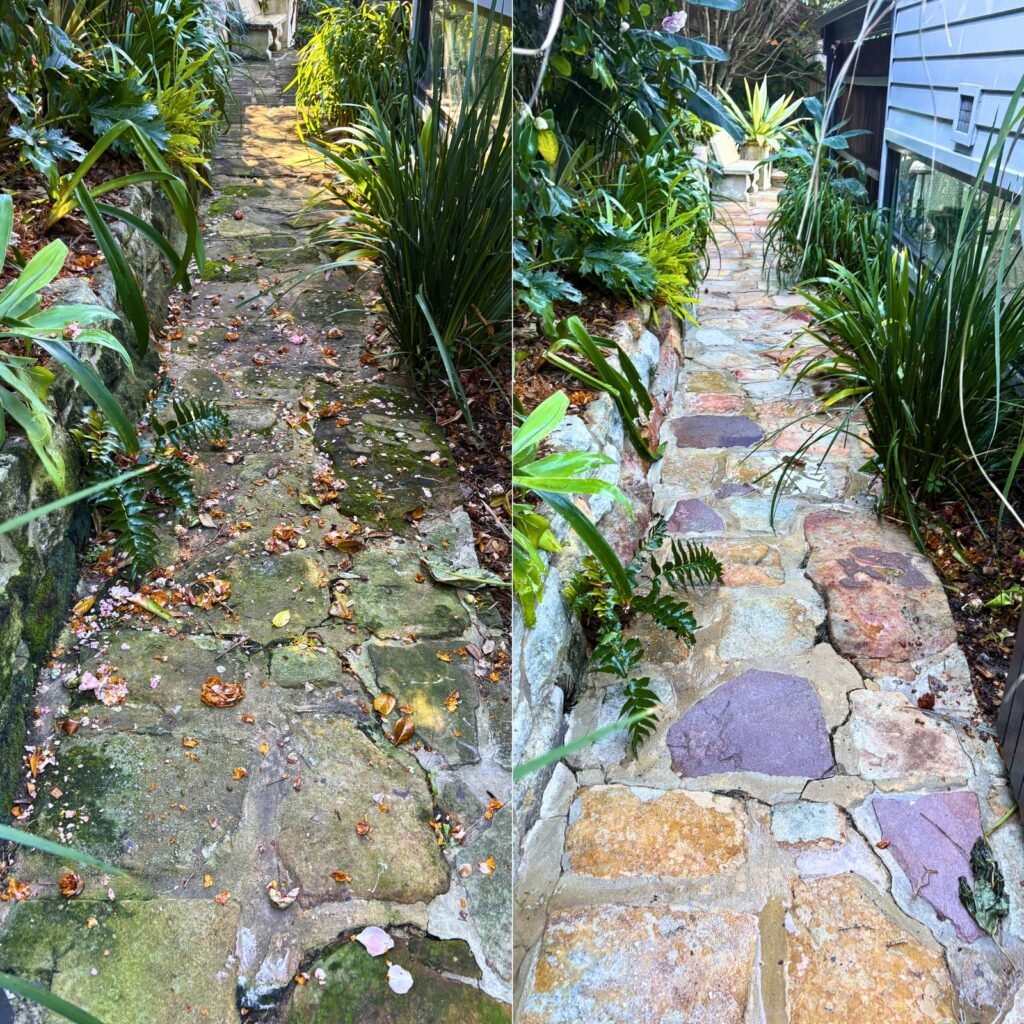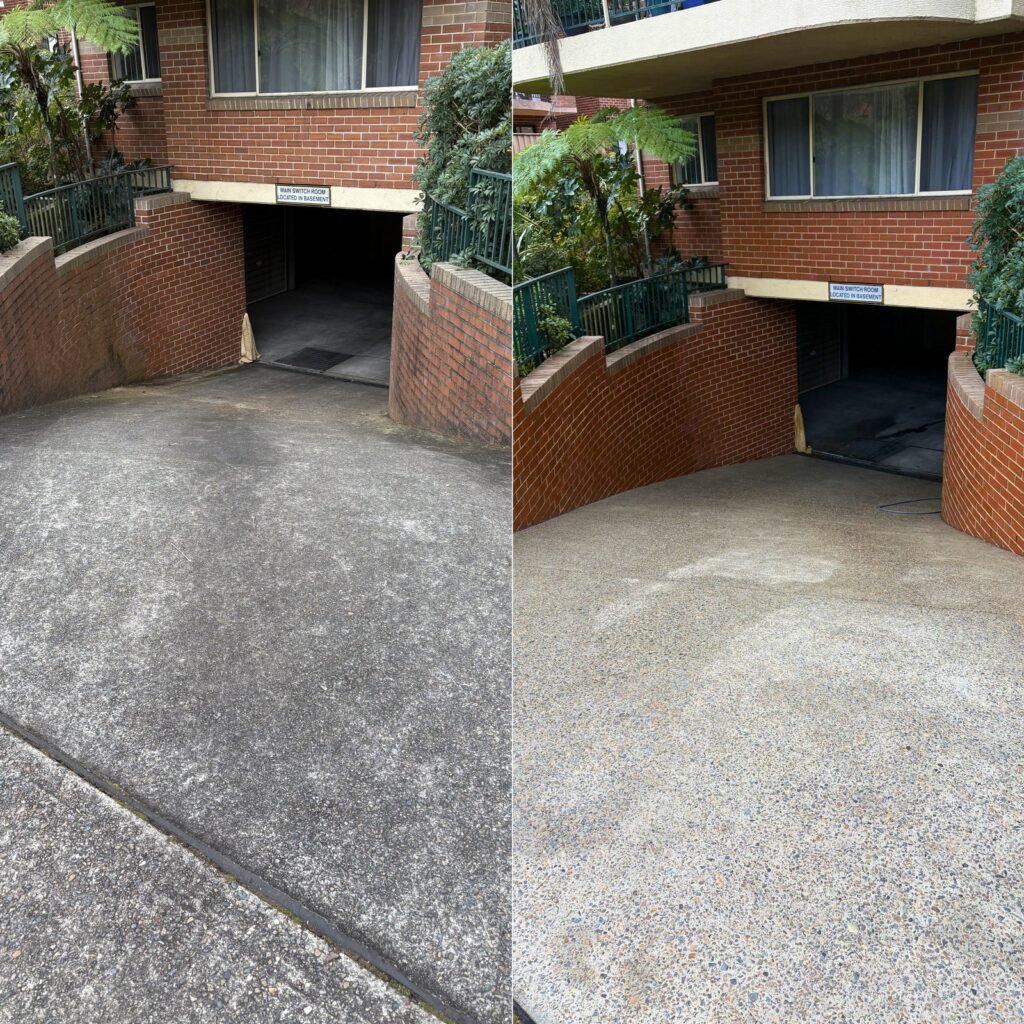
Limestone is the most absorbent stone commonly laid around Sydney homes. Red wine on a limestone terrace has stained by the time you’ve found the paper towel; oil from a barbecue is in the stone before dinner is served. Sealing is what makes limestone livable — but the wrong sealer causes more damage than no sealer at all.
Why limestone needs sealing more than almost any stone
Limestone is soft calcium carbonate with high porosity — it drinks liquids, holds moisture, and reacts with acid. Unsealed, it absorbs wine, oil, leaf tannin and pool chemicals as permanent stains, and near the coast it draws in airborne salt, which crystallises in the pores and slowly spalls the surface from within. That last mechanism is why unsealed limestone within a kilometre of the ocean visibly ages faster than the same stone inland.
The right sealer: breathable and impregnating
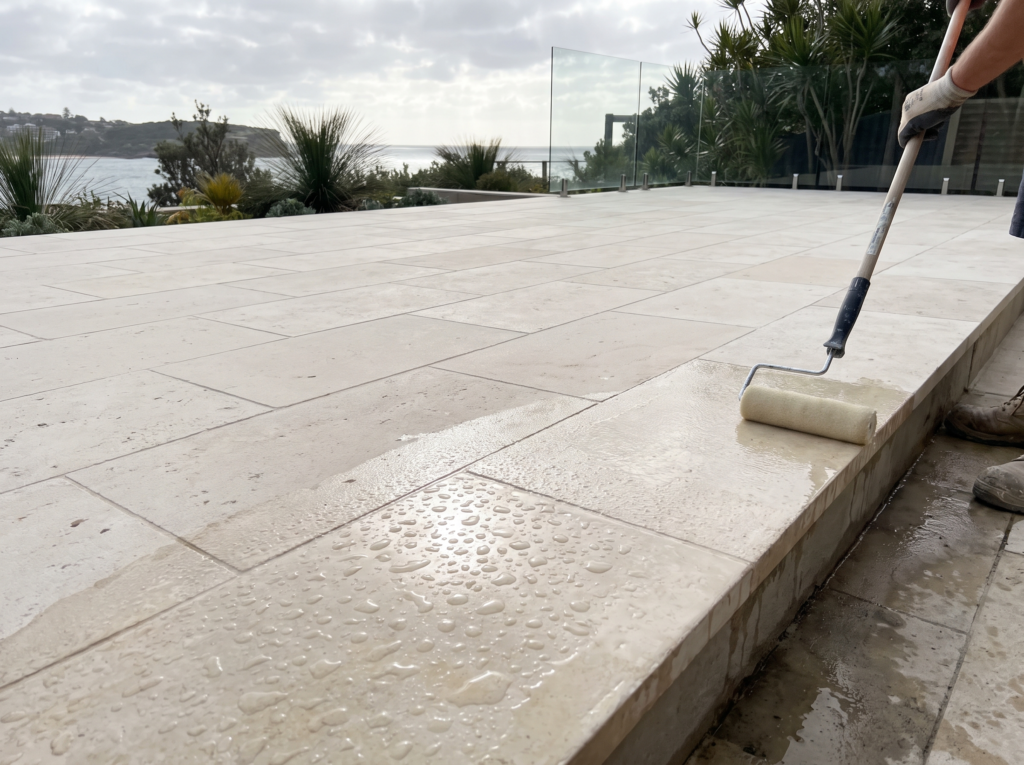
The answer for limestone is the same family as for sandstone and travertine, and for the same reason: a breathable impregnating sealer — typically silane/siloxane-based — that penetrates the pores and lines them without forming a surface film. Water beads instead of absorbing, oil wipes up instead of soaking in, salt stays out, and the stone keeps its soft matte look and its ability to release moisture. For pale limestone, choose a natural-finish product tested on an offcut first: some sealers slightly deepen colour, which you want to know before it’s on the whole facade.
Why glossy sealers destroy coastal limestone
Film-forming “wet look” sealers are the most common limestone disaster we’re called to fix. The film blocks the stone’s breathing, trapping moisture and salt underneath. On coastal limestone the coating clouds white, blisters and peels — and the trapped salt does accelerated damage the whole time. Stripping a failed coating off soft limestone without harming the stone is slow, careful, expensive work. Skip the entire cycle: never put a film on limestone.
Prep is 80% of the job
Sealer locks in whatever is under it. Limestone must be properly cleaned first — and limestone cleaning has its own rule: nothing acidic, ever, because acid dissolves the stone’s surface on contact and leaves permanent dull etch marks. Stone-safe alkaline or neutral chemistry, a biocide for any black or green growth, thorough neutralising, then complete drying — which for limestone means several rain-free days. Only then seal. If there’s white efflorescence bloom on the stone, that salt must be drawn out and the moisture source addressed before sealing, or you’re sealing the problem inside.
DIY or professional?
A small, clean, sound limestone path is a reasonable weekend job with a quality penetrating sealer. Call in help for stained or biologically active stone, facades and large paved areas, anything with efflorescence, pool surrounds (product choice affects slip), or heritage work. Our limestone cleaning and sealing service runs the full sequence with coastal-rated sealers across Vaucluse, Bellevue Hill, Rose Bay and the wider east — and if your property mixes limestone with sandstone or travertine, each gets its own correct treatment in one visit. Get a fixed quote here.