Exterior cleaning is one of the most visible line items a strata committee approves — everyone sees the result, and everyone sees the neglect. Here’s what committees and building managers should know before commissioning it.
What’s typically in scope
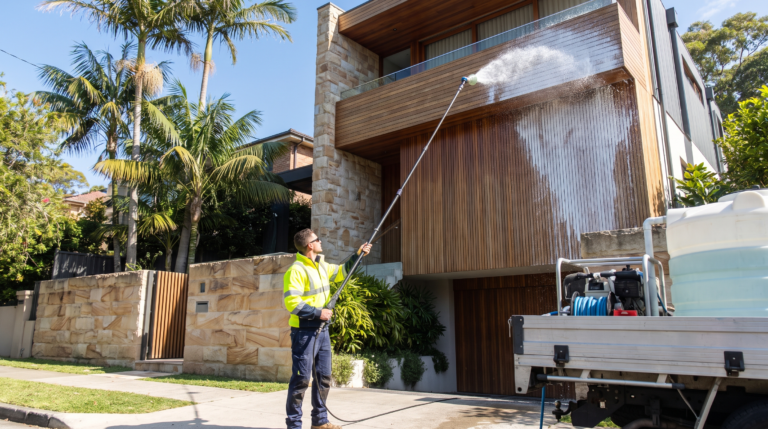
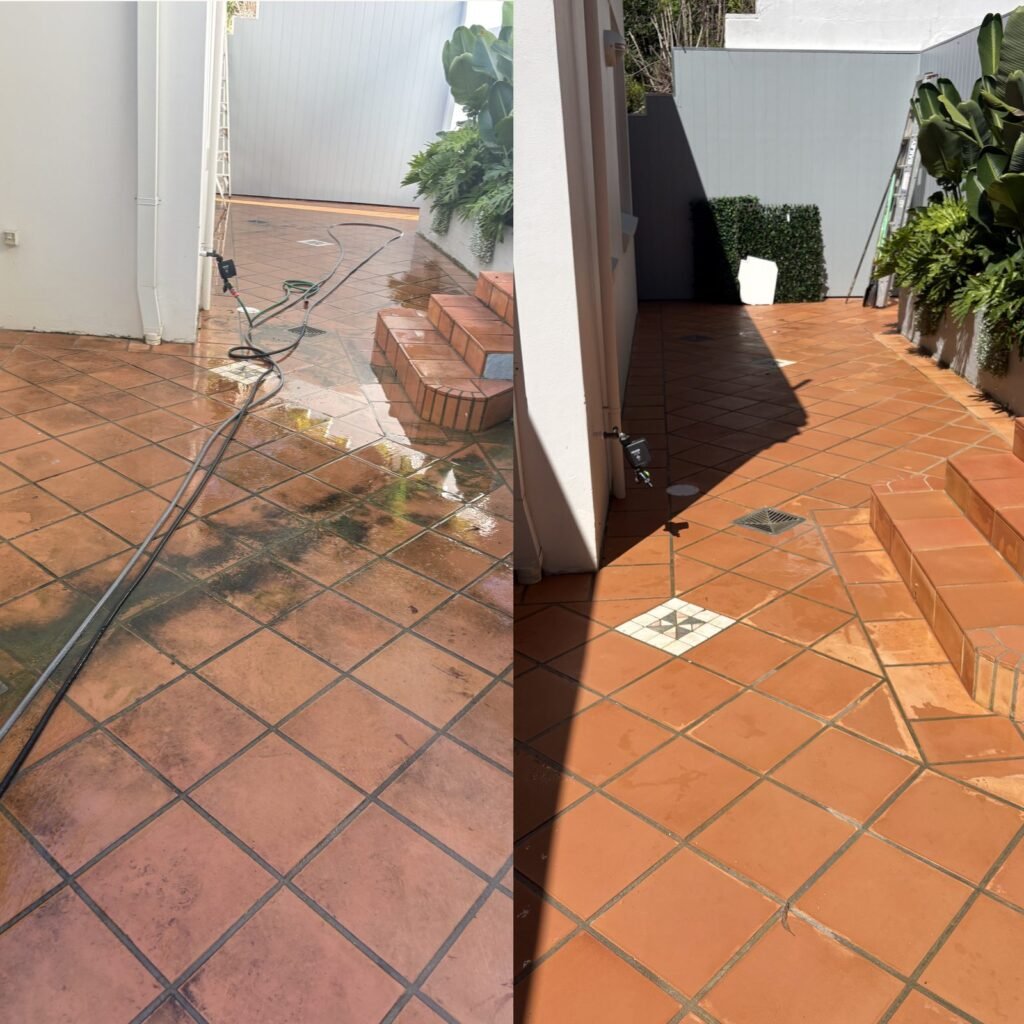
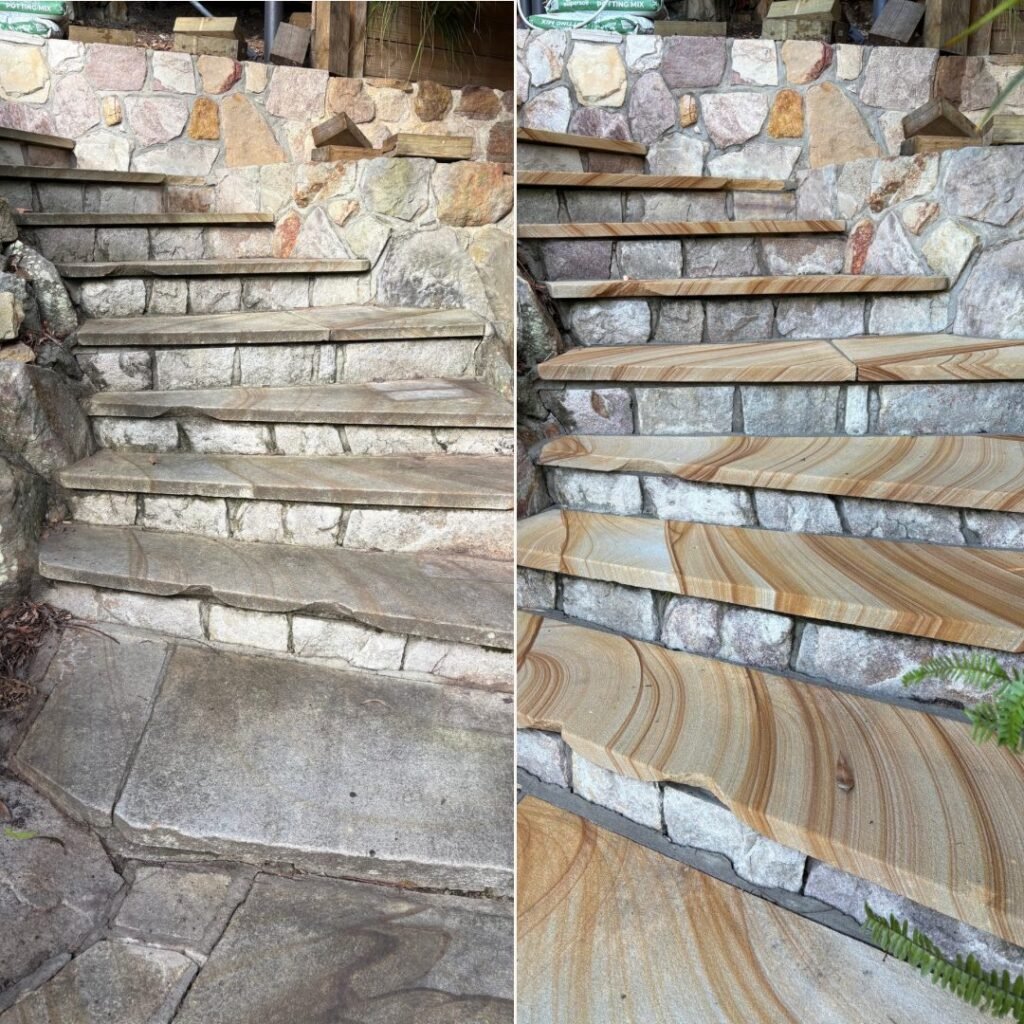
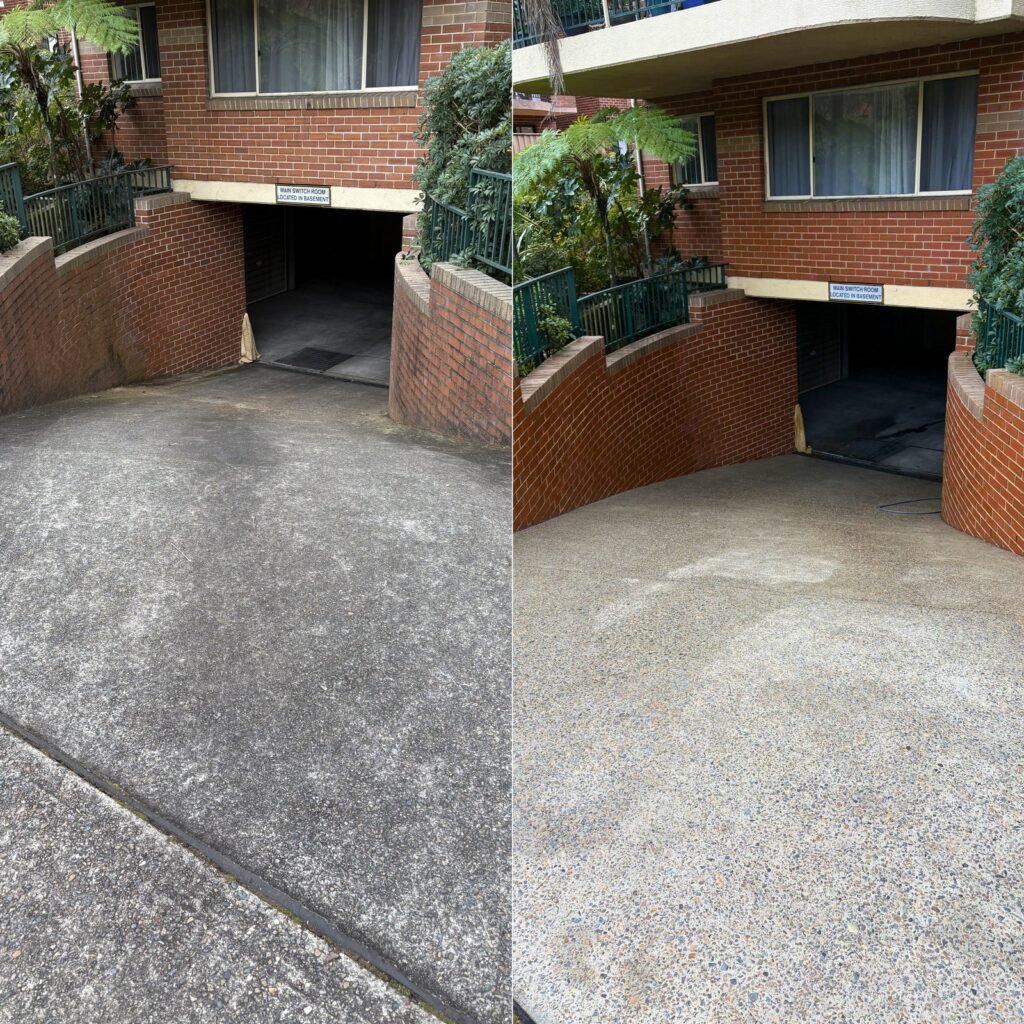
Building facades (washed by the method the material demands — more below), entry porticos and lobbies, common driveways and basement garage ramps, stairwells, balcony fronts where access allows, bin rooms, courtyards, letterbox banks and boundary walls. On coastal buildings, add salt removal from glass balustrades, stainless and aluminium — protective maintenance, since salt pitting is permanent once established.
The method question committees should ask
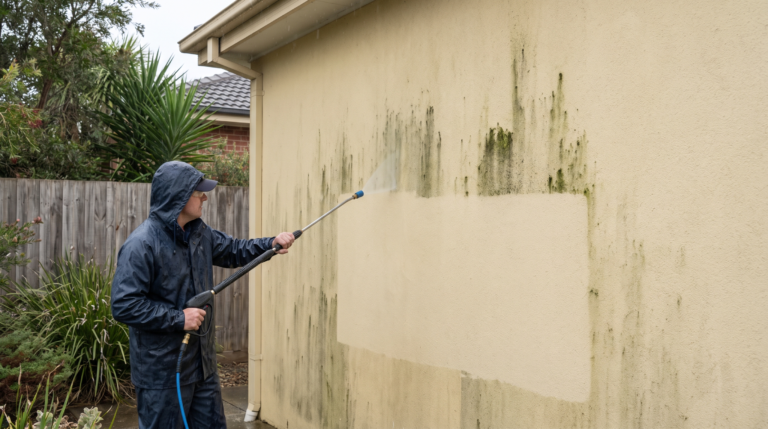
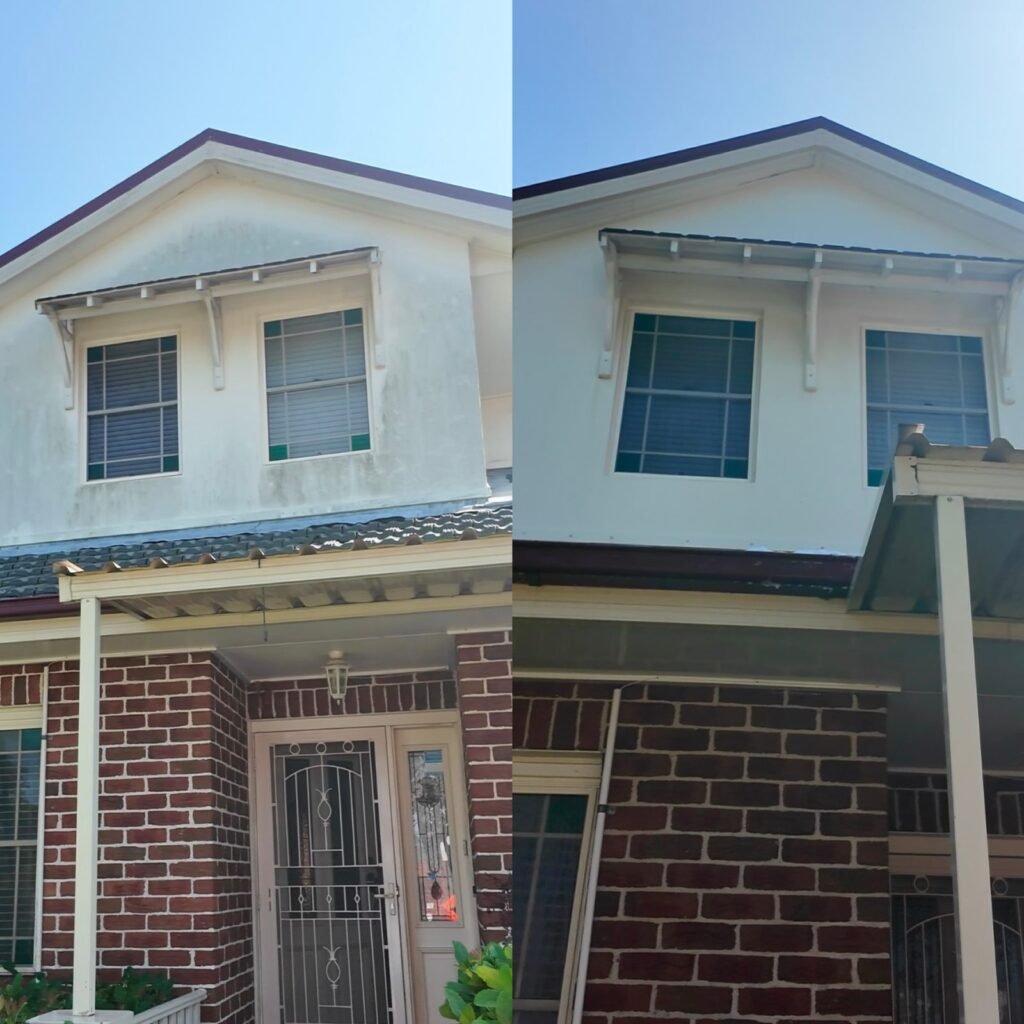
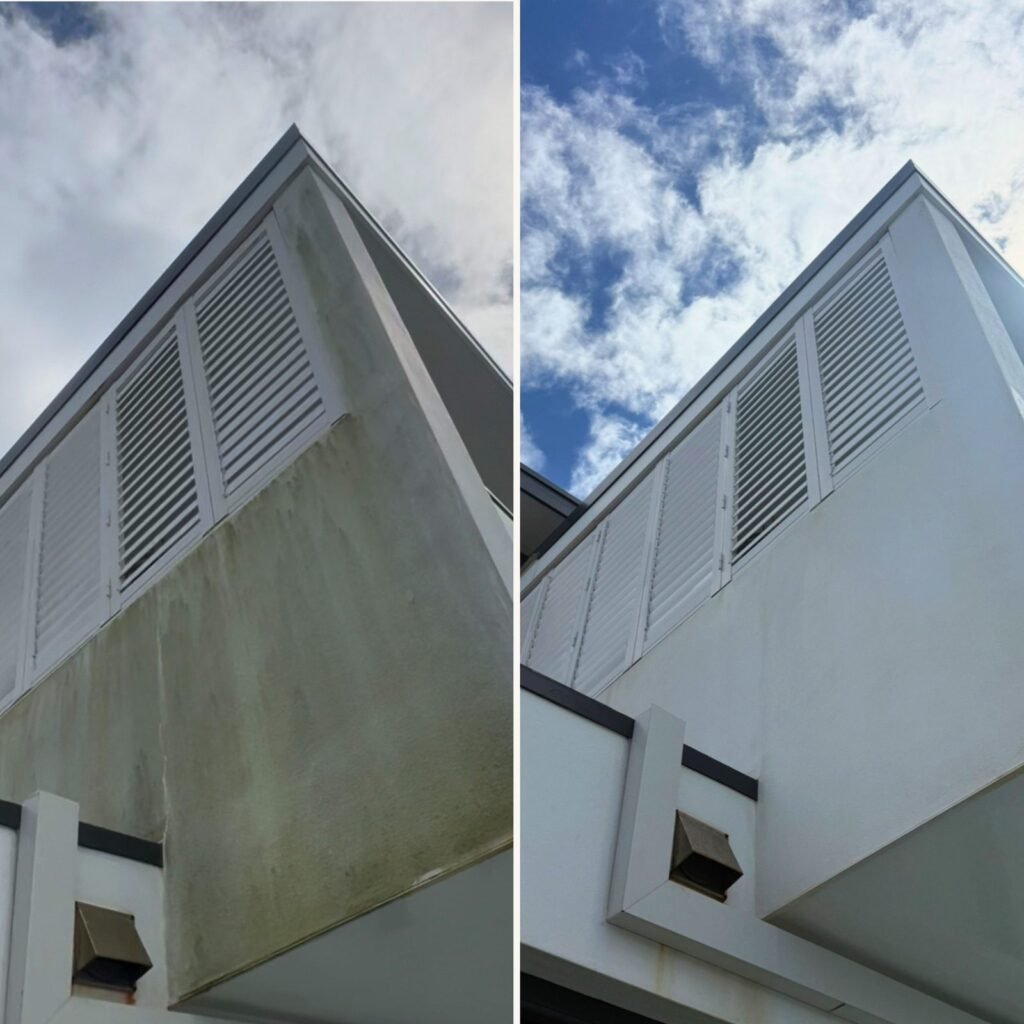
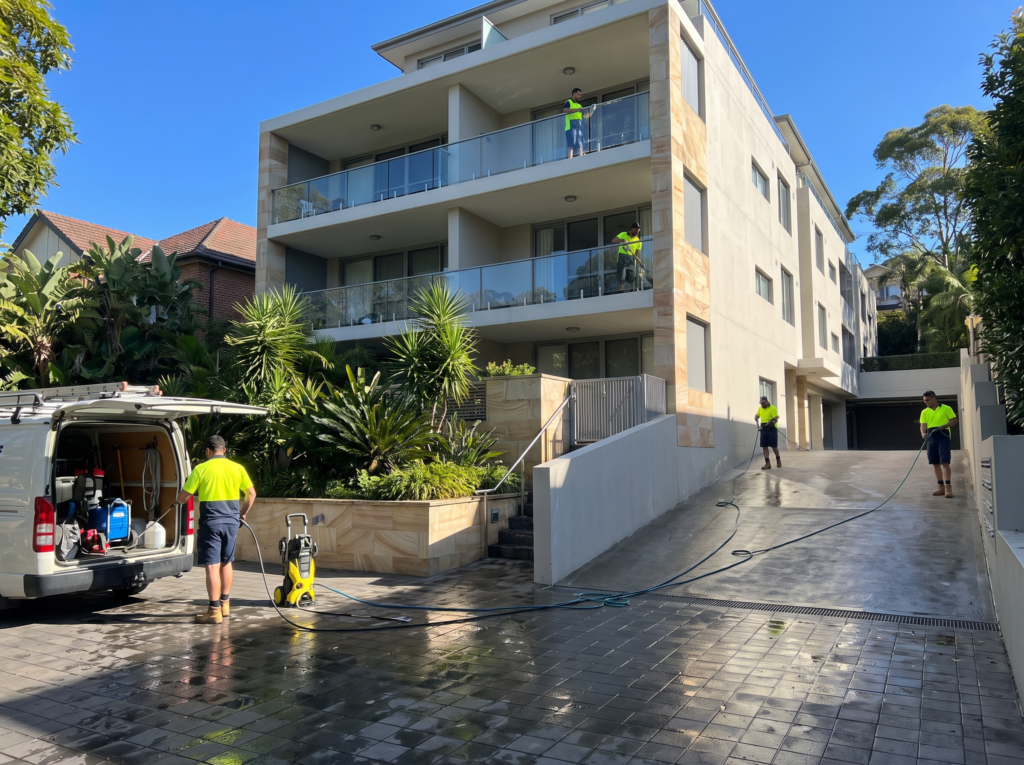
Rendered and painted facades — which is most apartment stock in the Eastern Suburbs, from Coogee’s deco blocks to Little Bay’s new acrylic render — must be soft washed, never pressure washed. High pressure blows out render, strips paint and drives water through ninety-year-old window seals. Any contractor proposing to “pressure wash the building” should not be shortlisted. Hard surfaces — driveways, ramps, forecourts — are the pressure-appropriate part of the scope.
What a professional strata quote includes
A written, fixed price itemised by area; the method specified per surface; evidence of insurance ($20m public liability is the standard ask); a plan for resident notification and access; runoff management — critically, keeping wash water out of basement garages and stormwater; and photo documentation on completion for the committee’s records.
One-off versus a maintenance cycle
Common property re-soils fast — entries, ramps and bin areas especially. A scheduled cycle (quarterly for high-touch areas, annually for facades) costs less per visit than rescue cleaning, keeps presentation consistent between AGMs, and gives the committee a predictable budget line instead of a periodic argument. Most managers we work with move to a cycle after the first full clean for exactly that reason.
Slip liability is part of this
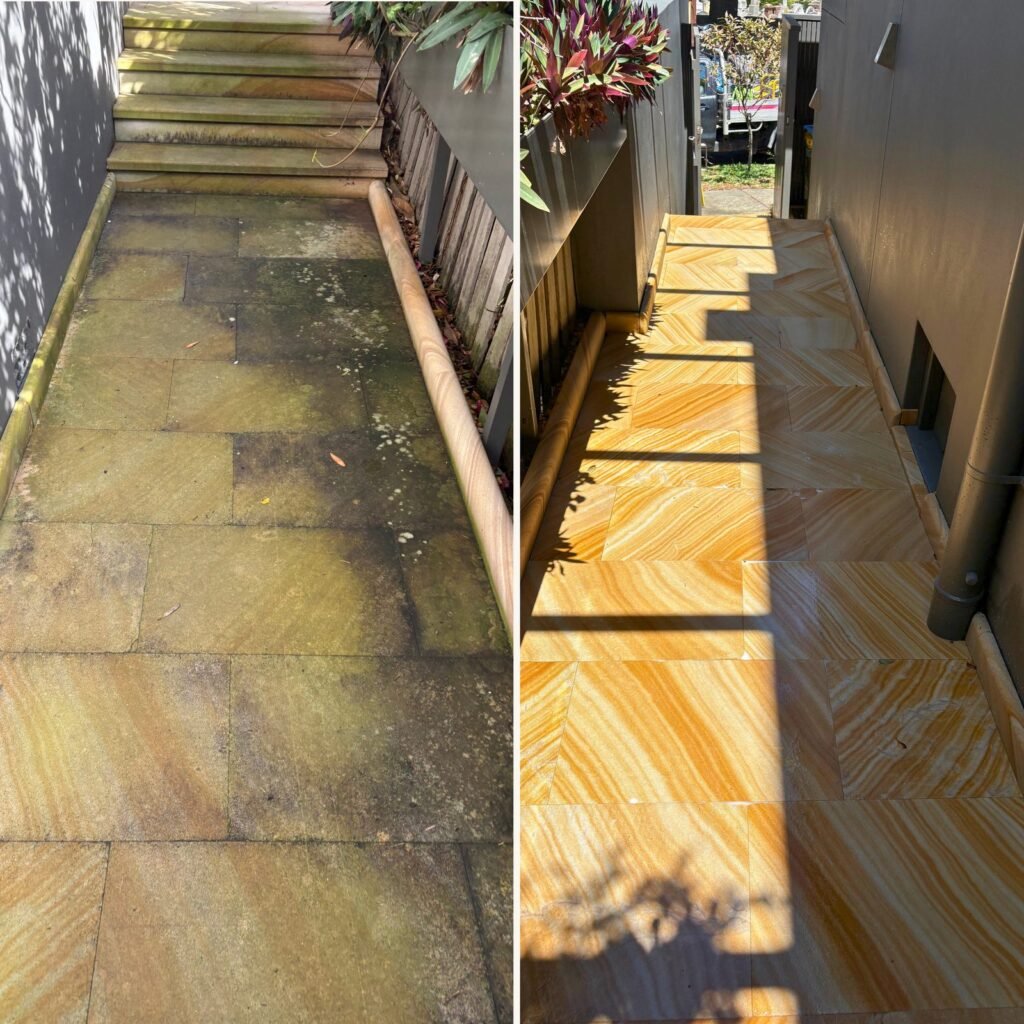
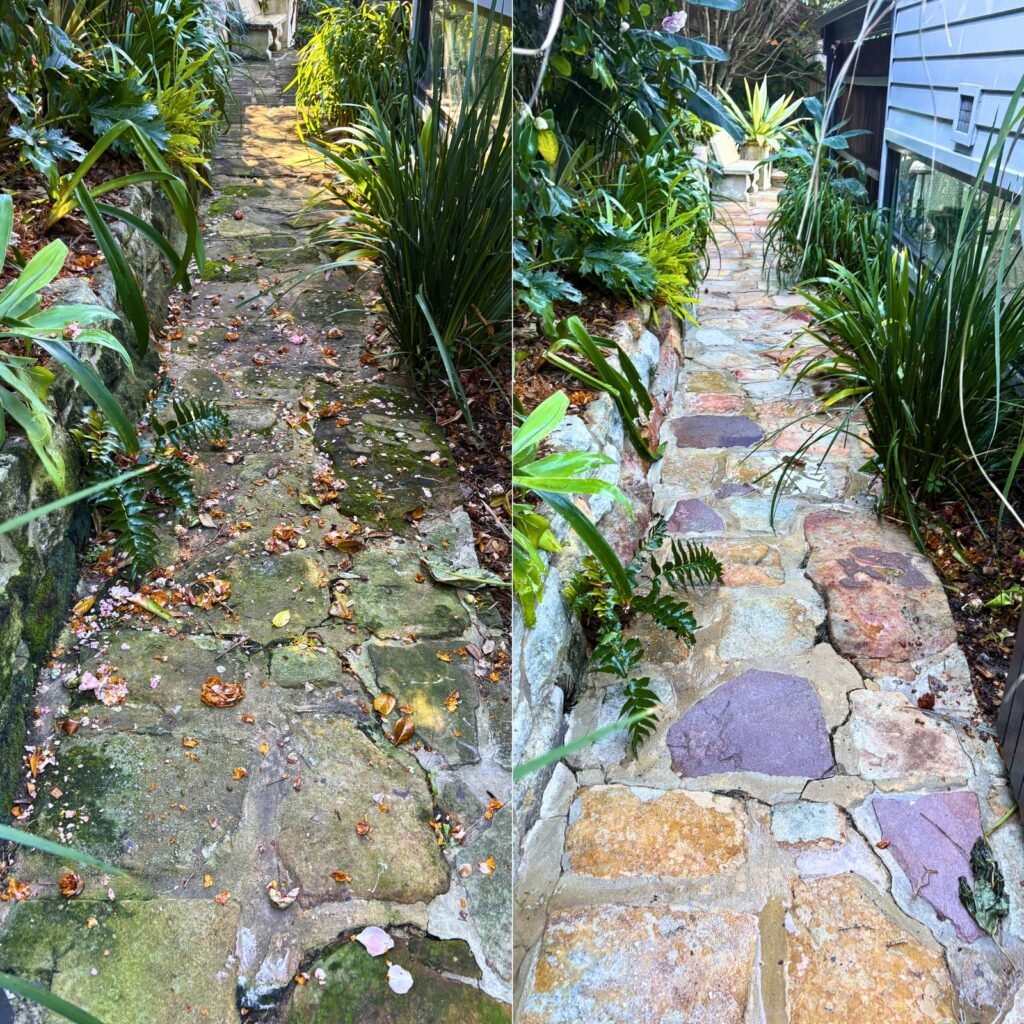
Black algae on shaded common stairs, ramps and walkways is a genuine slip hazard and a live liability question for owners’ corporations. Treating and cleaning those areas isn’t cosmetic — it’s risk management, and it’s worth scheduling on its own shorter cycle in shaded buildings.