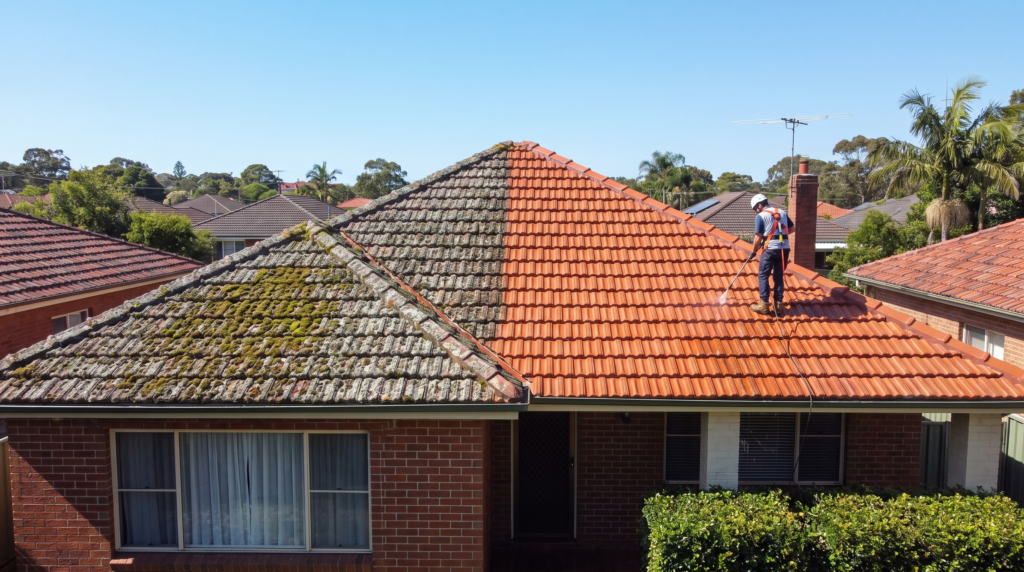
Roof Cleaning
Roof cleaning Sydney: moss, lichen and algae treated at the root on tile, slate and Colorbond, cleaned at pressures each material can carry, with gutters cleared after. Fixed written quotes.
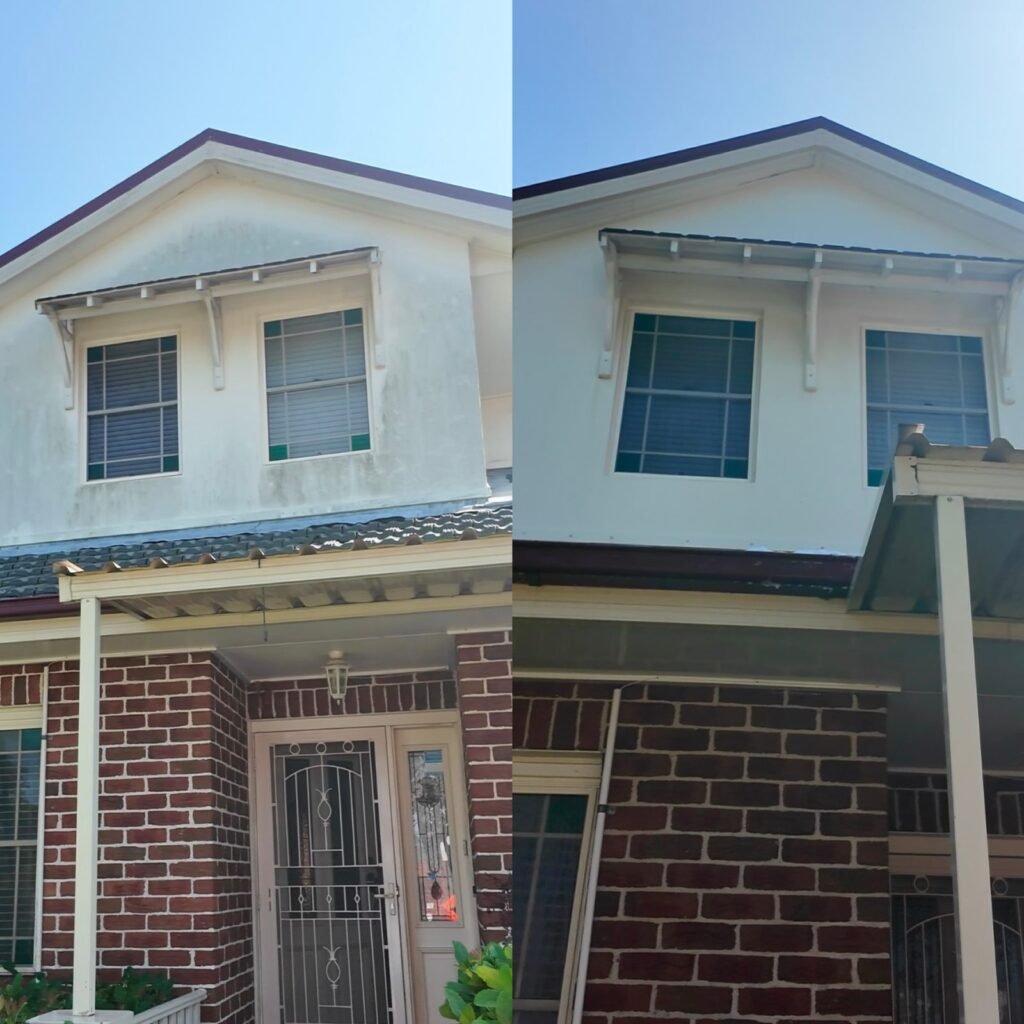
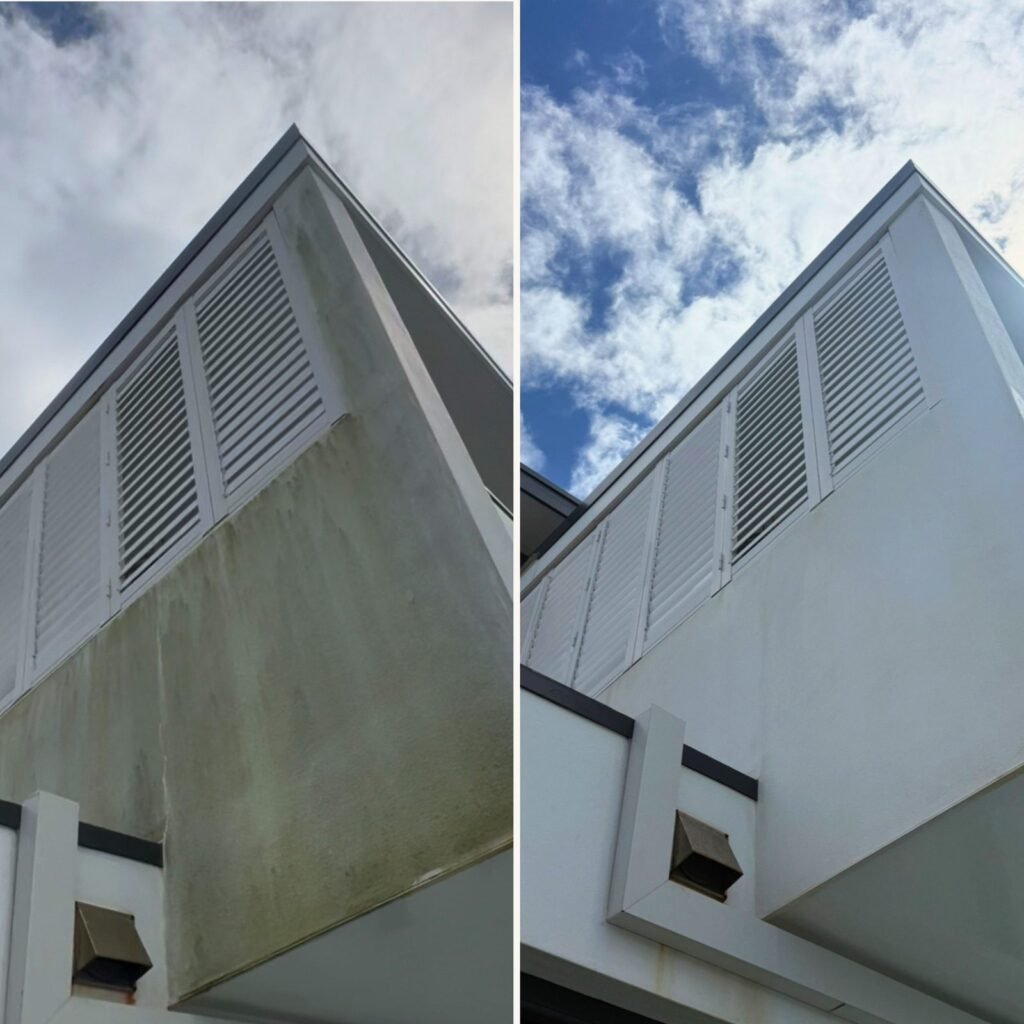
A roof carries more biological growth than any other surface on a house, and in the Eastern Suburbs it does so almost invisibly — you can’t see it from the ground until it reaches the point of streaking down the fascia.
Why roofs go green here
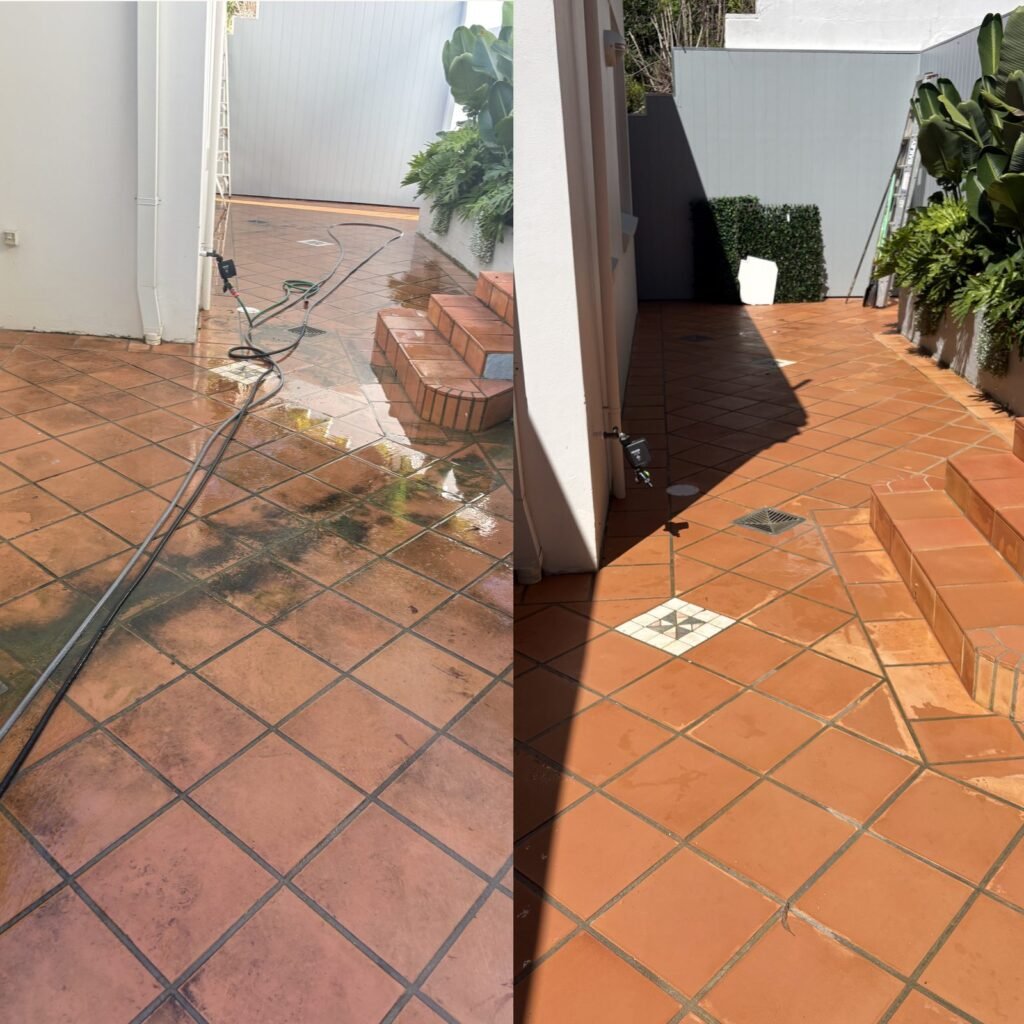
Moisture-heavy sea air, shade from the mature fig and gum canopy, and mild winters combine into ideal conditions for moss, lichen and algae. Lichen is the real problem: it doesn’t sit on the tile, it anchors into the surface, drawing moisture and slowly breaking down the glaze. Once it’s established, tiles stay wet longer, absorb more, and deteriorate faster.
Our method
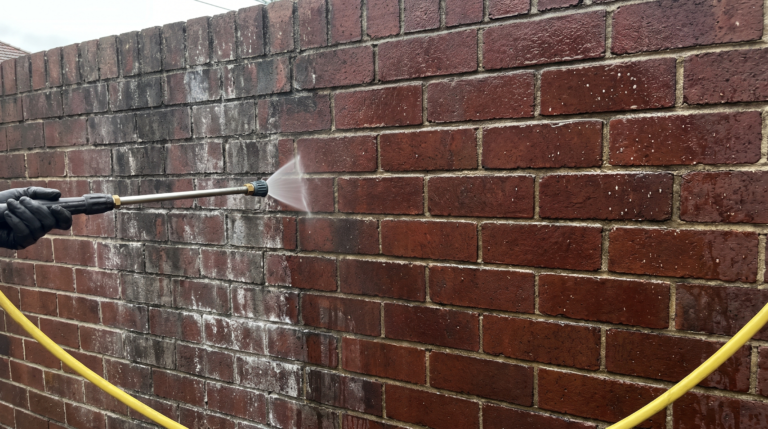
We assess access and rig appropriate height safety before anything else. Growth is treated with a biocide and given time to die back, then cleaned at a pressure appropriate to the roof material — which on aged terracotta or slate is considerably gentler than most people expect. We work with the direction of the laps so water isn’t forced back under the tiles or behind flashings.
Once the roof is done, all displaced debris is cleared out of the gutters, valleys and downpipes. Leaving it there is how a clean roof turns into a blocked stormwater system and an overflow through the eaves in the first heavy rain.
Materials
Concrete and terracotta tile, Colorbond and metal, slate, and heritage tile on the older Federation and Victorian homes through Woollahra, Paddington and Randwick.
We’ll tell you honestly if a roof is too brittle to clean safely — some aged terracotta is past the point where any cleaning is worth the risk of cracked tiles.
Roof cleaning questions
What time of year is best for roof cleaning in Sydney?
Spring and early autumn are ideal. The biocide needs dry weather to dwell properly, and a treatment applied a few hours before rain does far less than it should. Mid-summer works but the surface dries so fast on a hot terracotta roof that the solution can flash off before it has done its job, so we start early on those days. Winter is workable in Sydney but the shorter drying window means scheduling gets less flexible. The one thing worth avoiding is booking a clean immediately before the summer storm season and expecting the gutters to still be clear — pair it with a gutter clear at the same visit.
Why is roof cleaning more expensive than other exterior work?
Access and risk, not cleaning time. Before anything gets cleaned there is height safety to rig, and on a steep terracotta roof with no anchor points that setup can take as long as the work itself. Add roof pitch, storey count, the brittleness of the material and whether the property allows a vehicle close enough to run lines, and you have most of the price. The actual washing is the fast part. A single-storey Colorbond roof with good access is dramatically cheaper than a two-storey Federation slate roof of the same area, and the difference is almost entirely in getting safely onto it.
Will cleaning break my tiles?
On sound tiles, no. On aged terracotta that has already lost its glaze and become porous, foot traffic is a real risk regardless of who does the work, particularly around the eaves where tiles are unsupported. We assess this first and will tell you if a roof is past the point where cleaning is worth it — that conversation costs you a quote and saves you a tiler. Where a roof is sound but brittle we work from ladders and edge access rather than walking the field of the roof.
Does moss and lichen actually damage a roof, or is it cosmetic?
It is structural over time. Lichen anchors into the tile surface rather than sitting on it, and it holds moisture against the material continuously. A tile that stays damp absorbs more, freezes and expands slightly on cold nights, and loses its surface faster. Moss also lifts and displaces tiles as it builds up under the laps, and it sheds into gutters and valleys where it compacts into blockages. Left long enough it shortens the roof’s life measurably — the green streaking is the visible symptom, not the problem.
Should I clean the roof or paint it?
Clean first, then decide. A lot of roofs that owners assume need painting come up well enough after a clean that painting can wait years. Painting also has a threshold: a concrete tile roof that has lost its surface coating is a genuine candidate, but a terracotta roof generally should not be painted at all, because the paint film traps moisture in a material designed to breathe. If roof painting is genuinely warranted, cleaning is the mandatory first step anyway — paint over lichen fails within a season.
How long before the growth comes back?
Three to five years on most Eastern Suburbs roofs where the growth was treated with a biocide and killed at the root, and considerably less where it was simply blasted off. What shortens it is shade. A roof under a mature fig canopy stays damp for hours longer each day and will show regrowth sooner than an exposed roof two streets away. Trimming overhanging branches back does more for the interval than anything we can apply.
Get a fixed written quote
Itemised by surface, priced before we start, and never finished until you've walked the property with us.
Request a Free Quote