People use the terms interchangeably, but house washing and pressure washing are different jobs with different tools — and using the wrong one on your walls is how paint gets stripped and render gets damaged. Here’s the distinction that matters.
Pressure washing is for hard surfaces
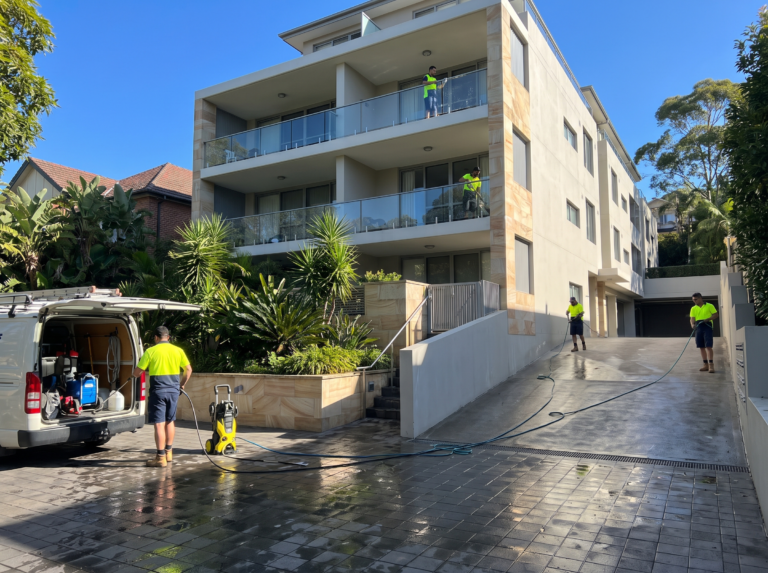
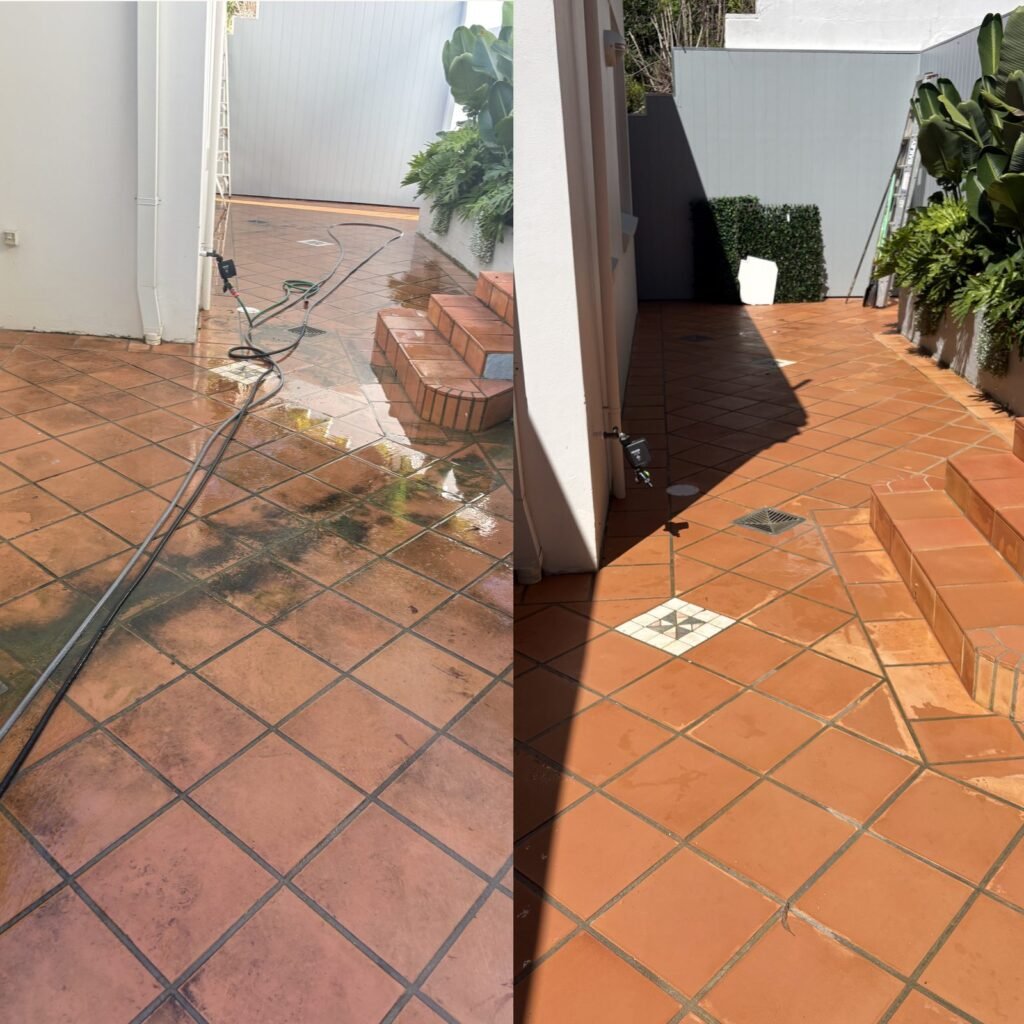
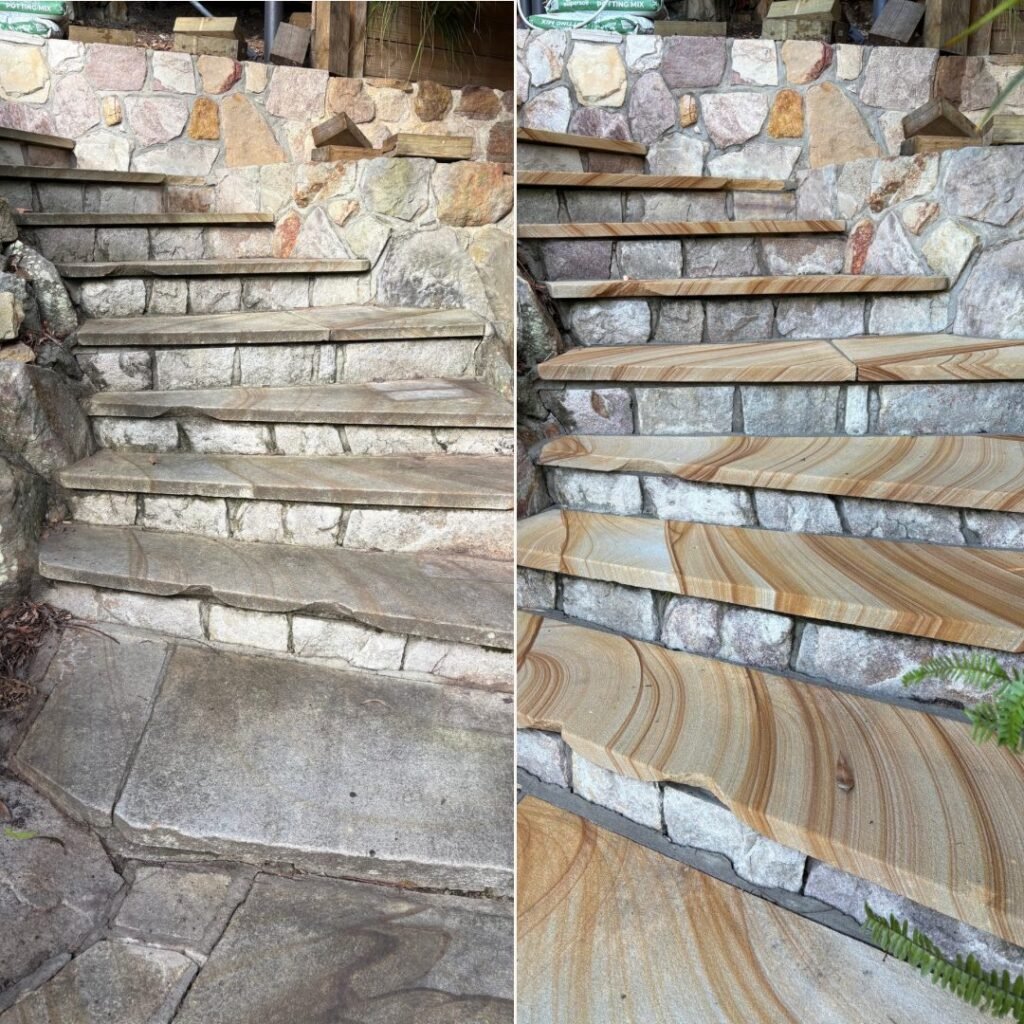
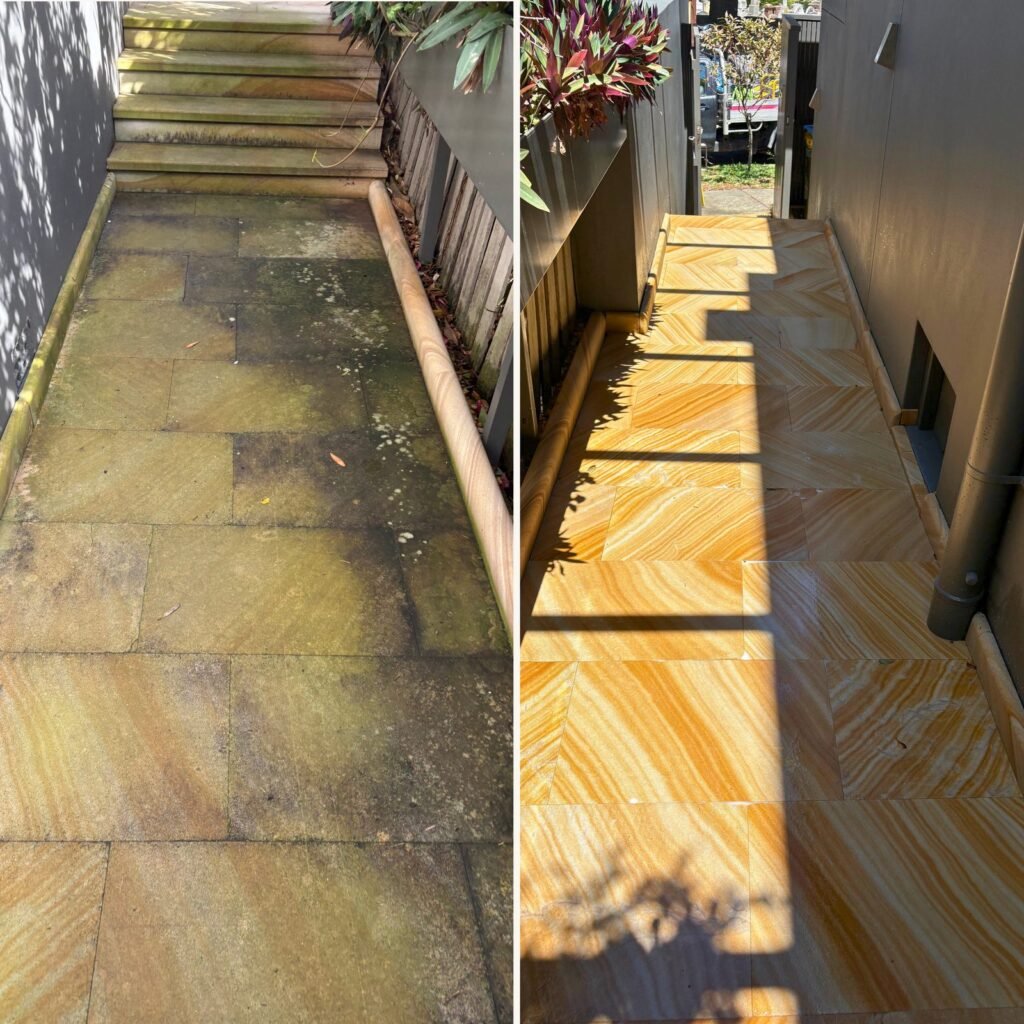
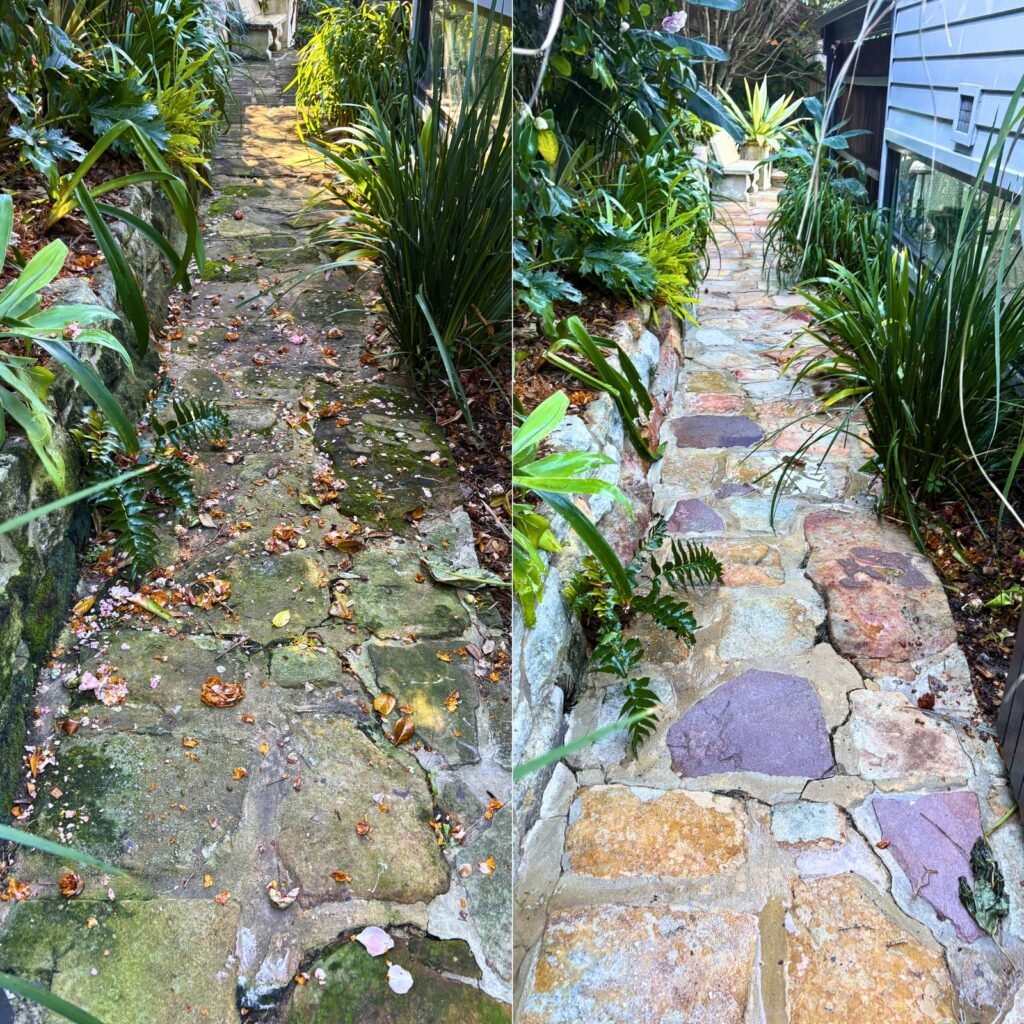
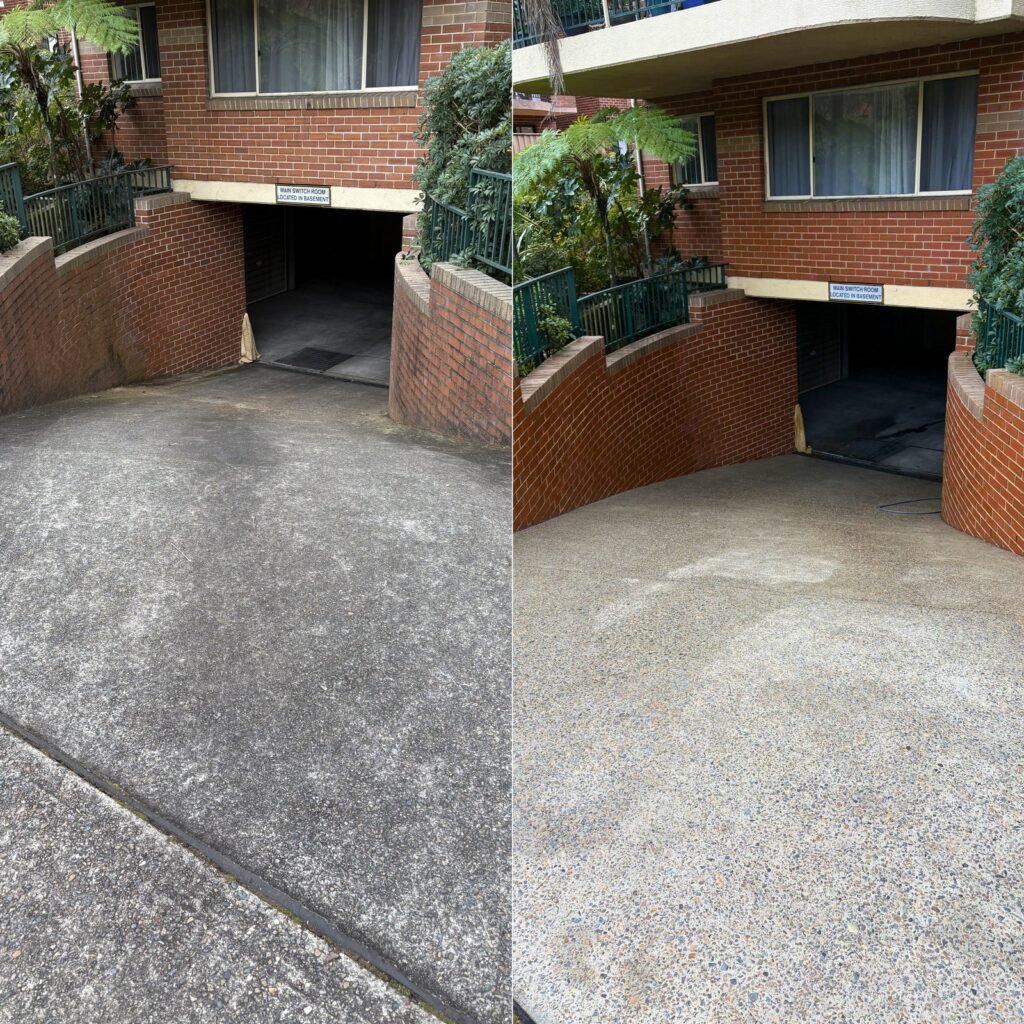
High pressure belongs on concrete, brick paving and other tough, non-porous surfaces that can take it — driveways, paths, retaining walls. On those, calibrated pressure is the fastest way to shift ingrained grime, moss and oil.
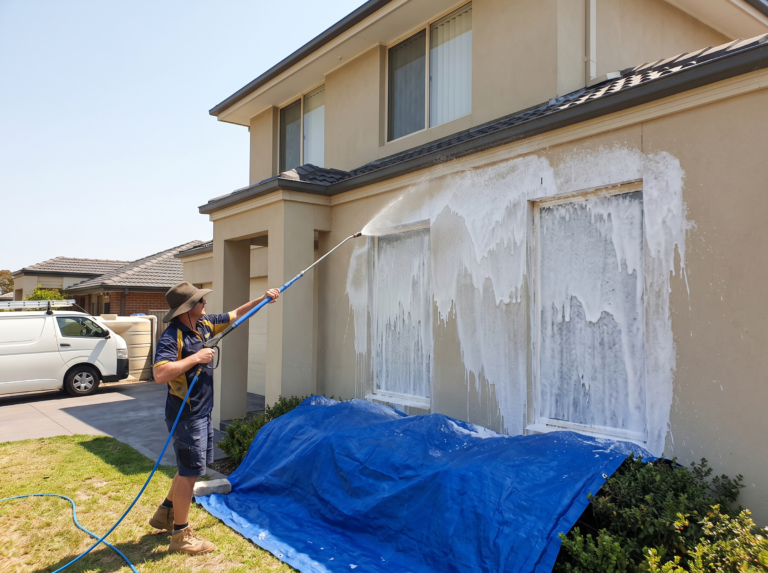
House washing (soft washing) is for walls
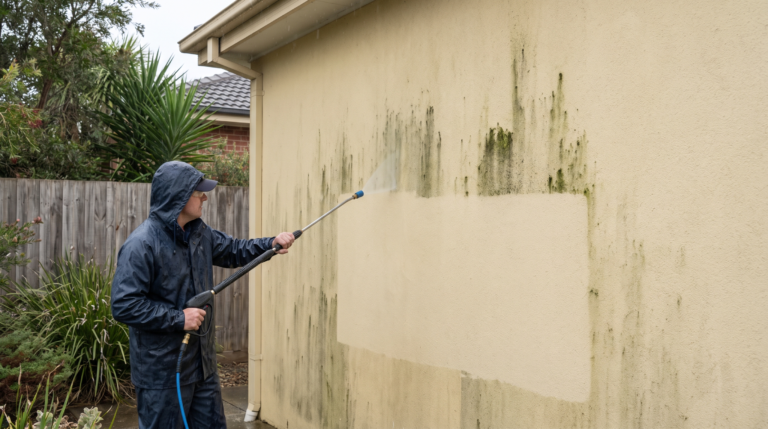
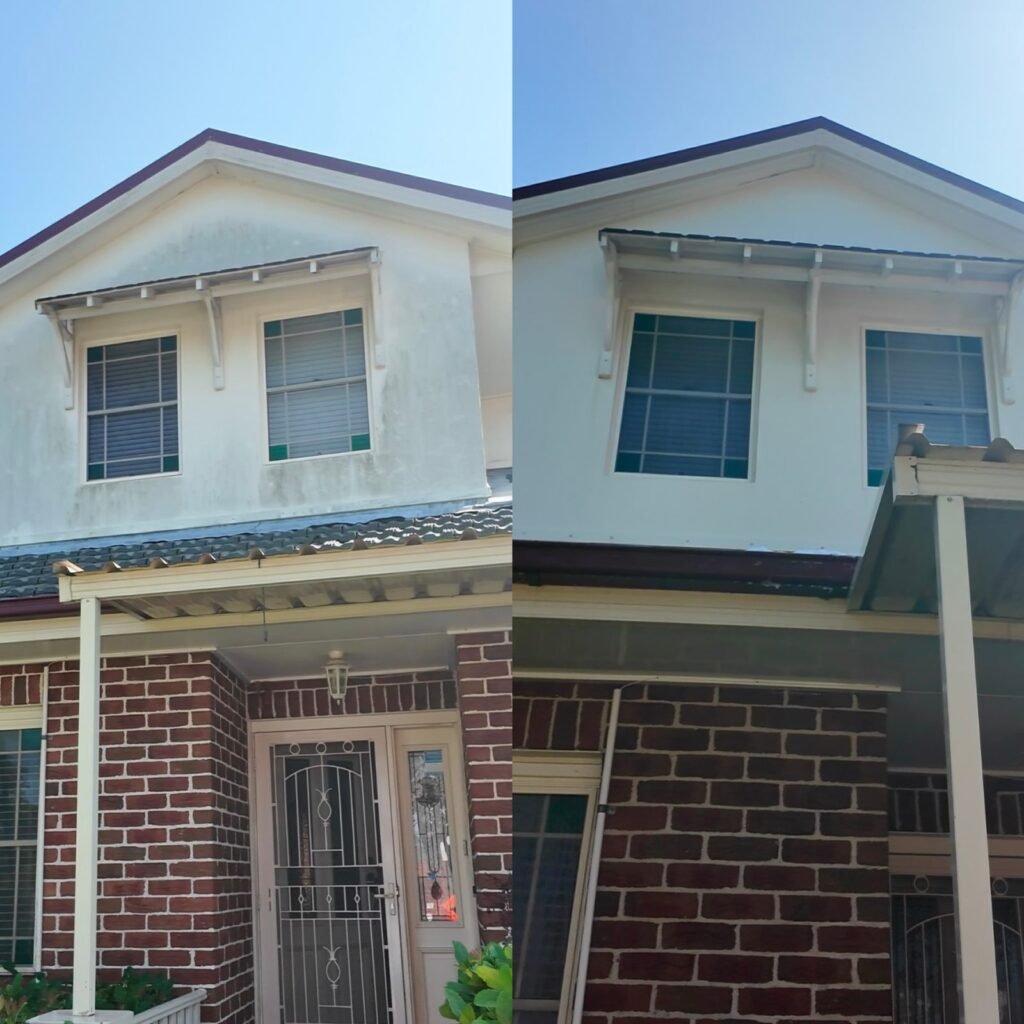
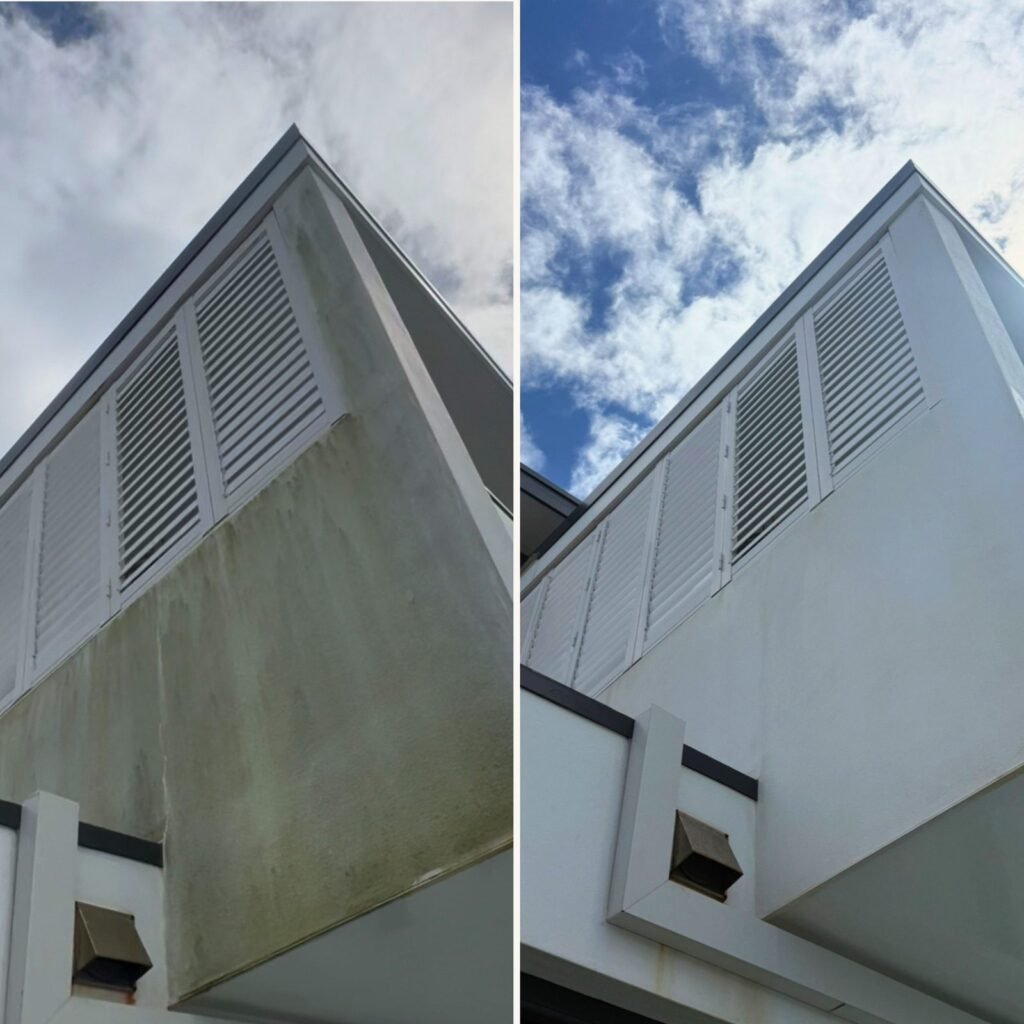
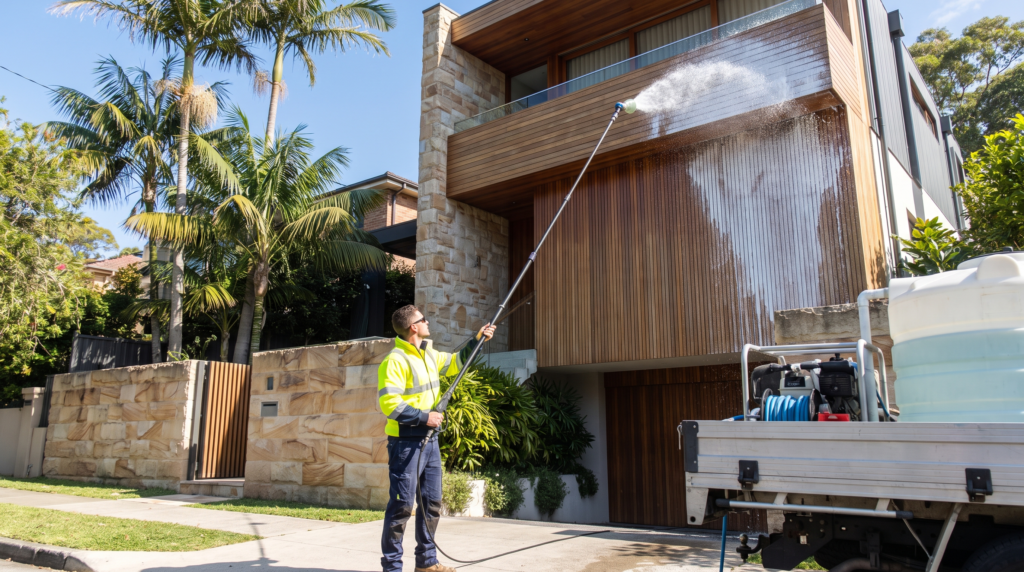
The walls of your home — render, painted brick, weatherboard, fibro, cladding — cannot take high pressure. Blasting them drives water behind the surface, strips paint and cracks fibro. House washing uses low pressure and a cleaning solution that kills mould and algae and lifts the grime chemically, so the surface is cleaned at its own tolerance.
How to tell which you need
If it’s a wall, a roof, a rendered fence or anything painted or coated: soft washing. If it’s a horizontal hard surface built to be walked or driven on: pressure washing. Most homes need both — soft washing on the house and roof, pressure washing on the driveway and paths — which is why we assess the whole property and match the method surface by surface.
Why the difference matters in Sydney
Sydney’s mix of salt air, humidity and tree cover means mould and algae are the recurring problem on walls, especially on shaded southern sides. Killing that growth needs the right chemistry, not brute force. A blast just wets it and it’s back within weeks; a proper soft wash treats it at the source.
Get the right method
Our house washing soft-washes every wall surface, and our pressure washing handles the hard surfaces — usually in the one visit. Request a fixed written quote: 24-hour turnaround, $20 million public liability, walkthrough before we pack up.