There is a small stack of documents that should exist before anyone turns a machine on at your property. Most Sydney homeowners never see any of it, and most never ask.
It is worth asking, because the paperwork is a reliable proxy for how the work itself is done. An operator who has these ready has thought about the job. An operator who has to invent them has not.
The quote, with exclusions
Not an estimate, not a verbal figure. A written quote naming the surfaces, the method for each, what is included, what is specifically excluded, and what happens if the scope changes once work begins.
The exclusions are the part to read. They are where the disagreements live, and a quote that lists none has either not been inspected or has not been thought about. More: what a fixed written quote should itemise.
The certificate of currency
A current public liability certificate naming the entity that is contracting with you, for a period covering your job date, describing a business activity that matches the work.
If anyone other than the owner is on site, workers compensation as well. These are two different things and people conflate them constantly. More: what public liability covers and the gaps.
The safe work method statement
A SWMS is a document setting out the high risk parts of a job, the hazards, the controls, and how the controls will be monitored.
It is not optional paperwork invented by consultants. Under the NSW work health and safety regulations, construction work carrying a risk of a fall of more than two metres is high risk construction work, and a SWMS must be prepared before it starts. Most roof, gutter and two-storey exterior work is squarely in that definition. Safe Work Australia explains the requirement.
A real SWMS is specific to your property. It names your access constraints, your roof type, your power lines, your pool, your neighbour’s glass. A generic PDF with the business logo and nothing site-specific tells you it was downloaded, not written.
Why you should care as the homeowner: the document is where someone has actually thought through how a person gets onto a brittle tile roof above a paved courtyard and back down again. If it does not exist, nobody has.
Safety data sheets for anything being applied
An SDS is the manufacturer’s document for a chemical product: what is in it, the hazards, first aid, what to do about spills, what it should not contact.
You are entitled to know what is going on your house, particularly if you have a vegetable garden, a pond, a dog, a rainwater tank or someone in the household with a respiratory condition.
Soft washing commonly uses sodium hypochlorite with surfactants, which is a chlorine chemistry, and it has real consequences for planting and fish if managed carelessly. The honest conversation about that is a better signal than an eco sticker on a van. More: what is actually in a soft wash mix and pets, ponds and gardens.
The licences and tickets that apply
There is no single licence to pressure wash a house in NSW, which surprises people. But particular parts of the work are regulated, and where they apply the documents are real and verifiable.
More: the licences and tickets this work requires.
Strata and commercial additions
If the work is on a strata property or a commercial site, the stack grows: committee or managing agent approval, often a resolution if the work touches common property, site induction, a traffic or pedestrian management plan where the public walks past, and sometimes proof of trade waste arrangements for the runoff.
Common property is the one owners get wrong. A lot owner cannot authorise work on an external wall or a roof they do not own. More: strata exterior cleaning and who actually owns the balcony.
Heritage, where approval is the first document
If the property is heritage listed or inside a conservation area, cleaning can require consent before it happens — and the consent conditions may dictate method, pressure and products.
Getting that wrong is not a slap on the wrist. More: heritage and conservation areas.
And afterwards: the photo report
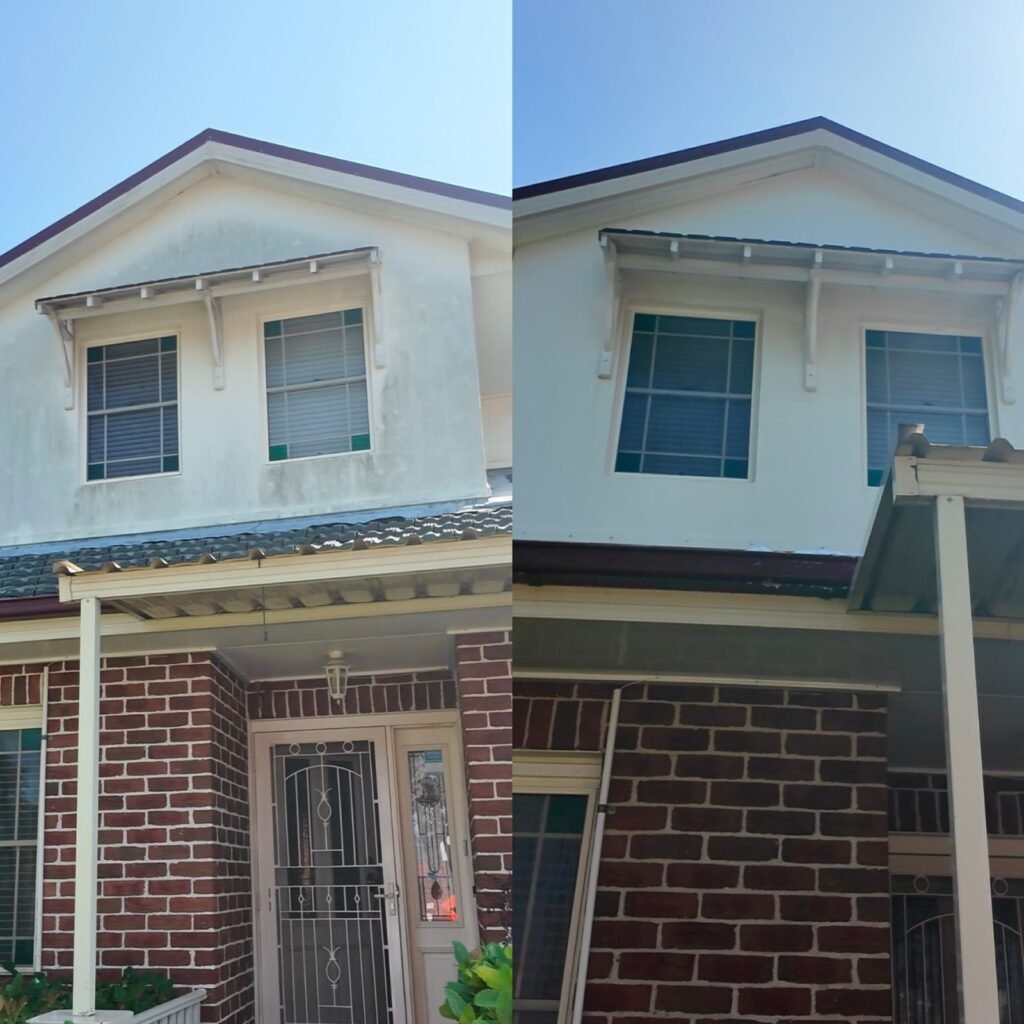
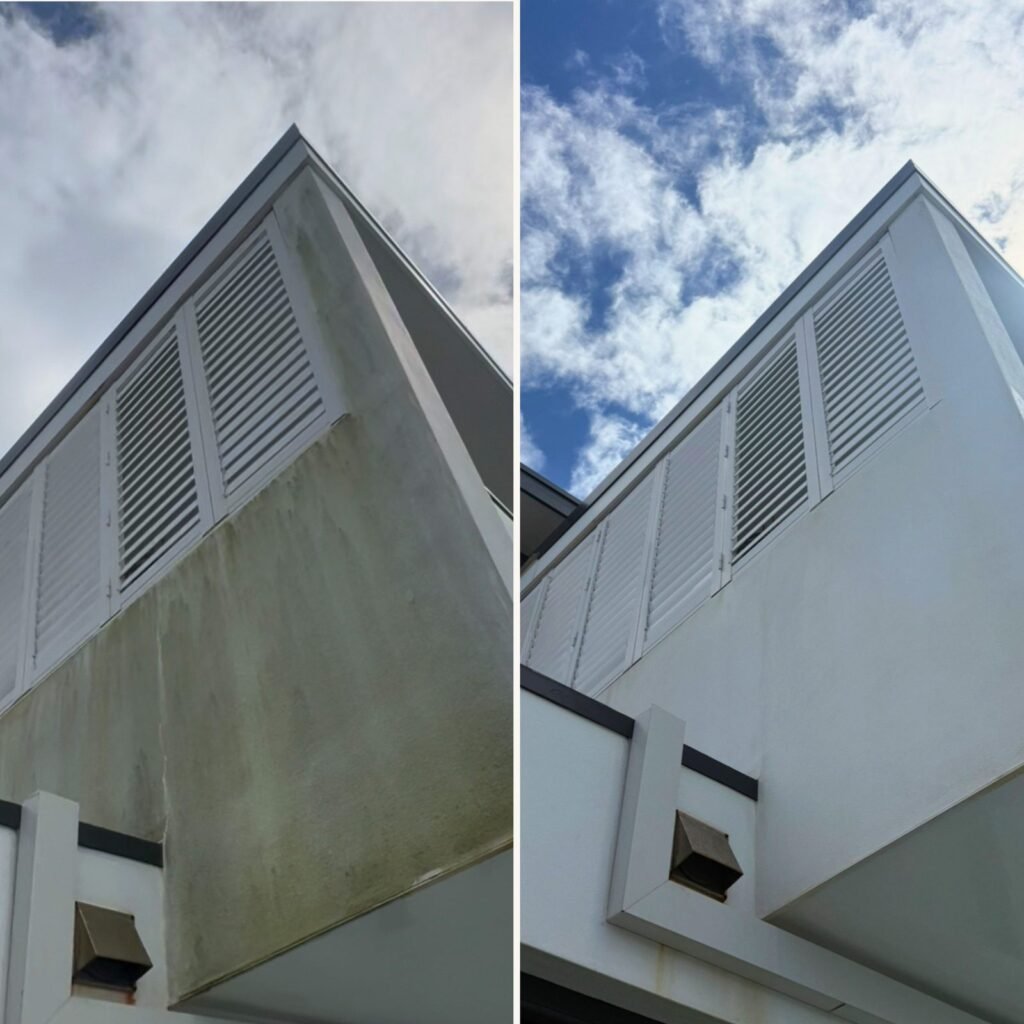
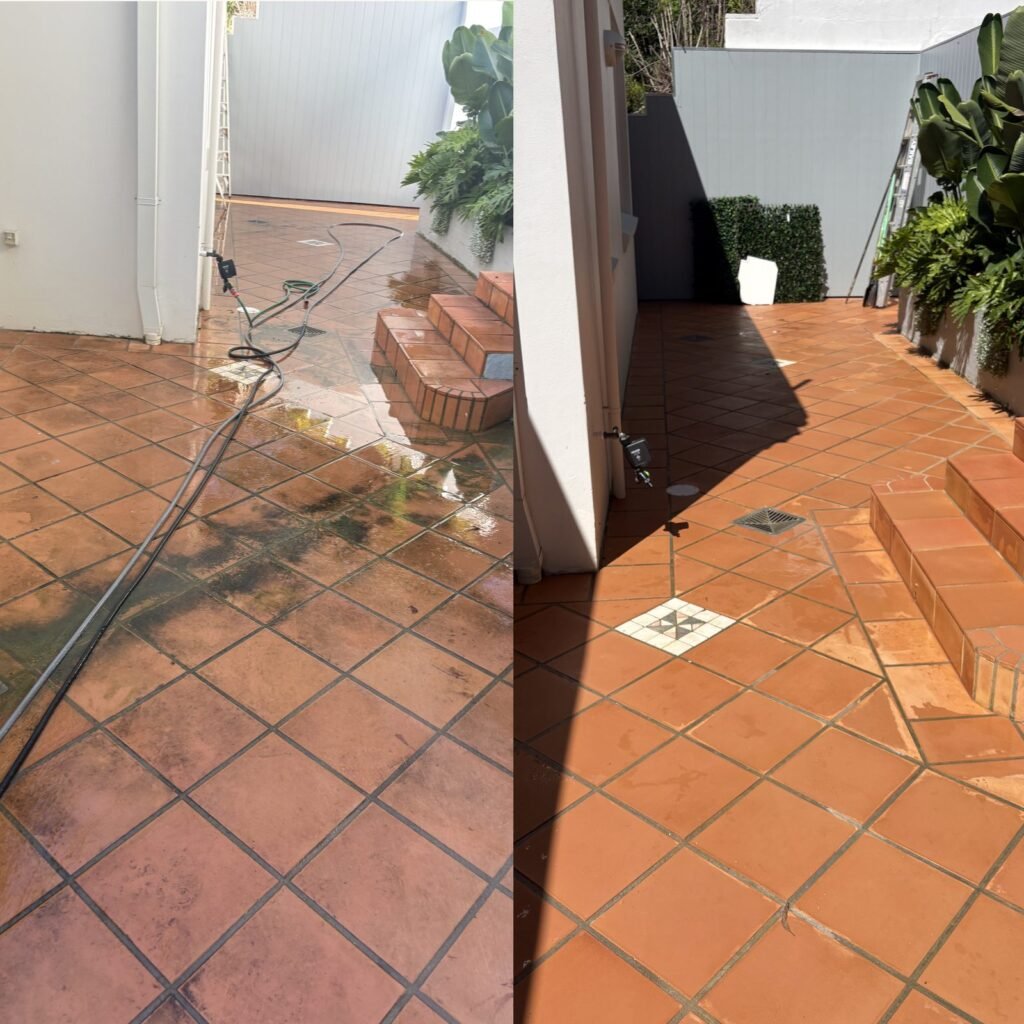
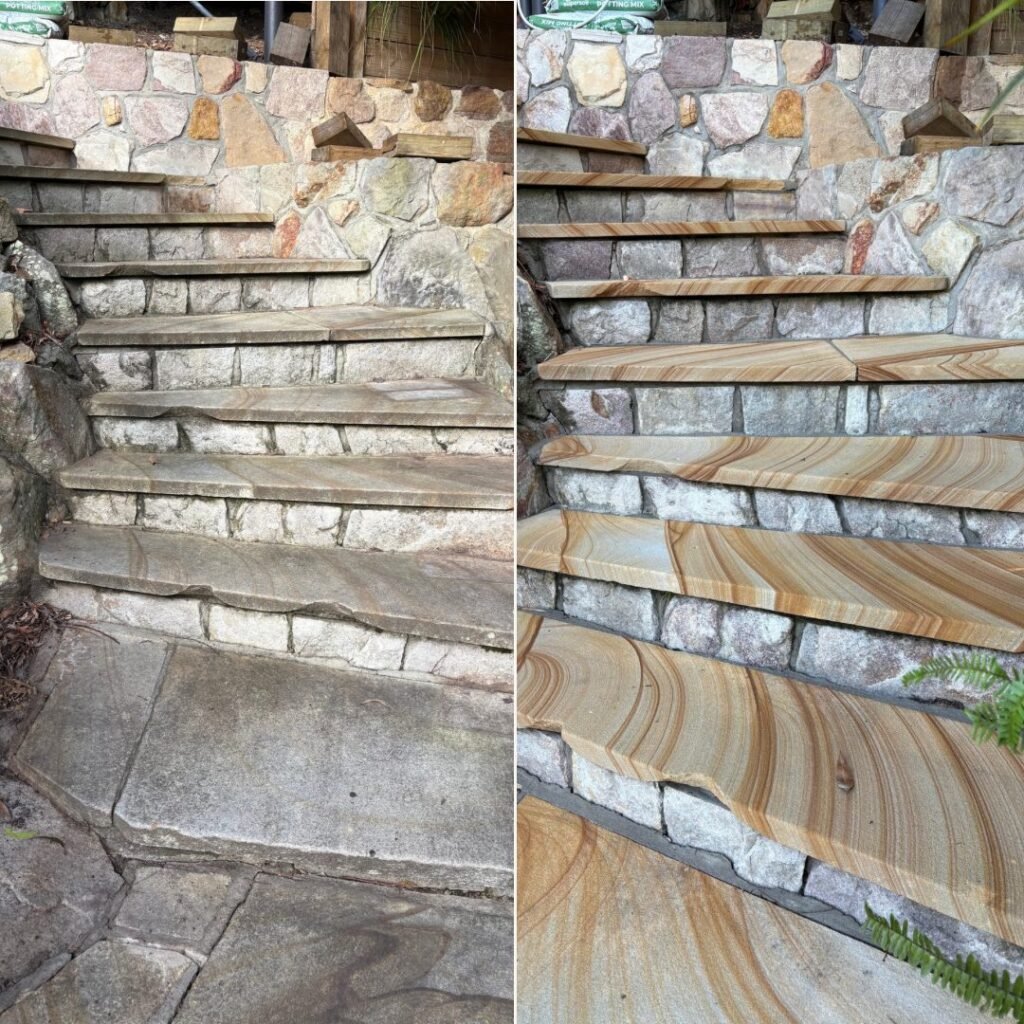
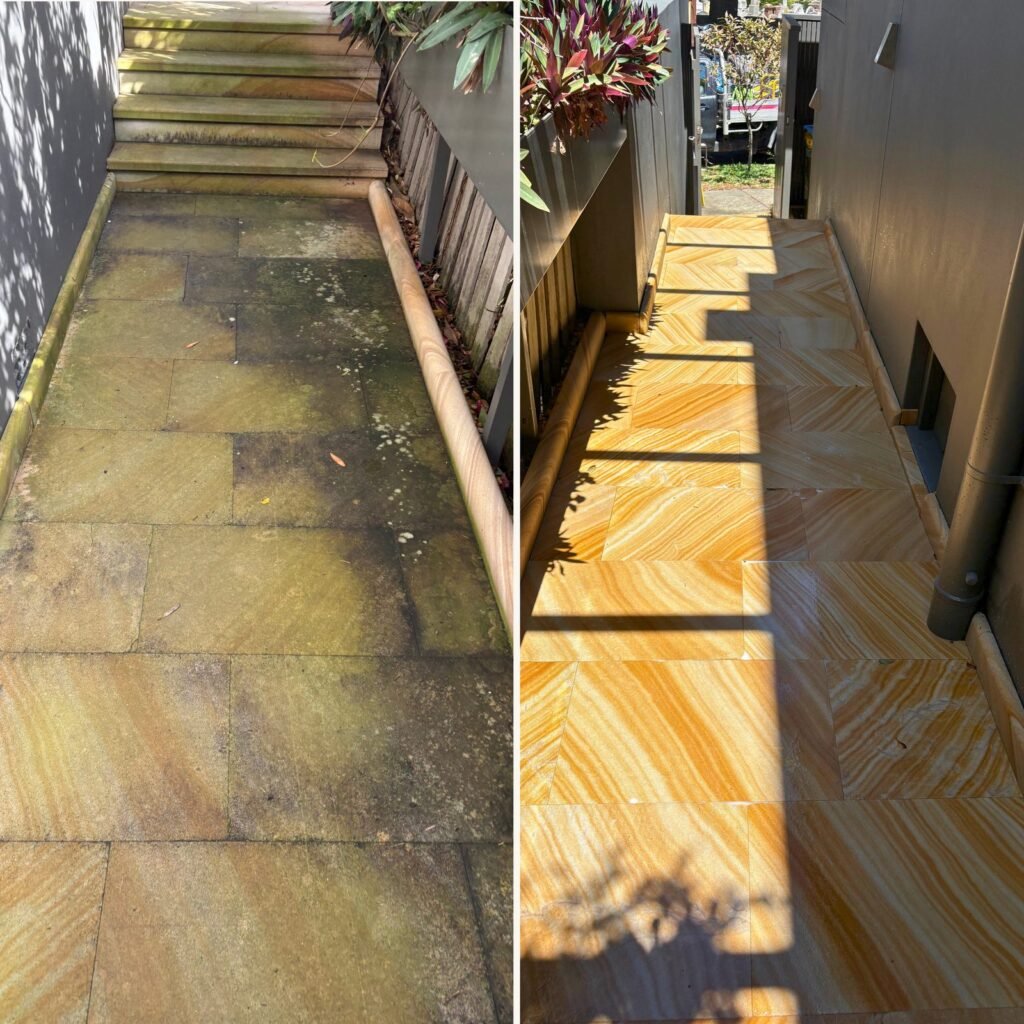
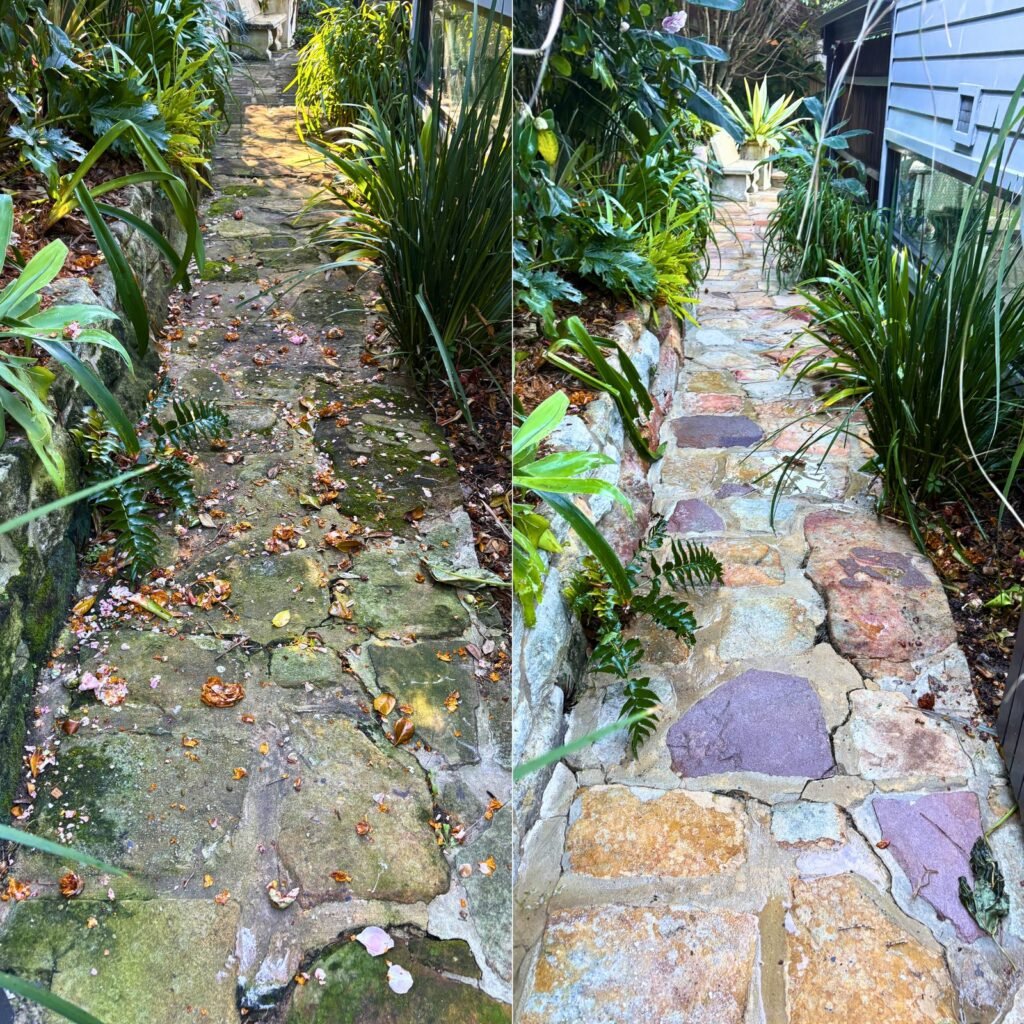
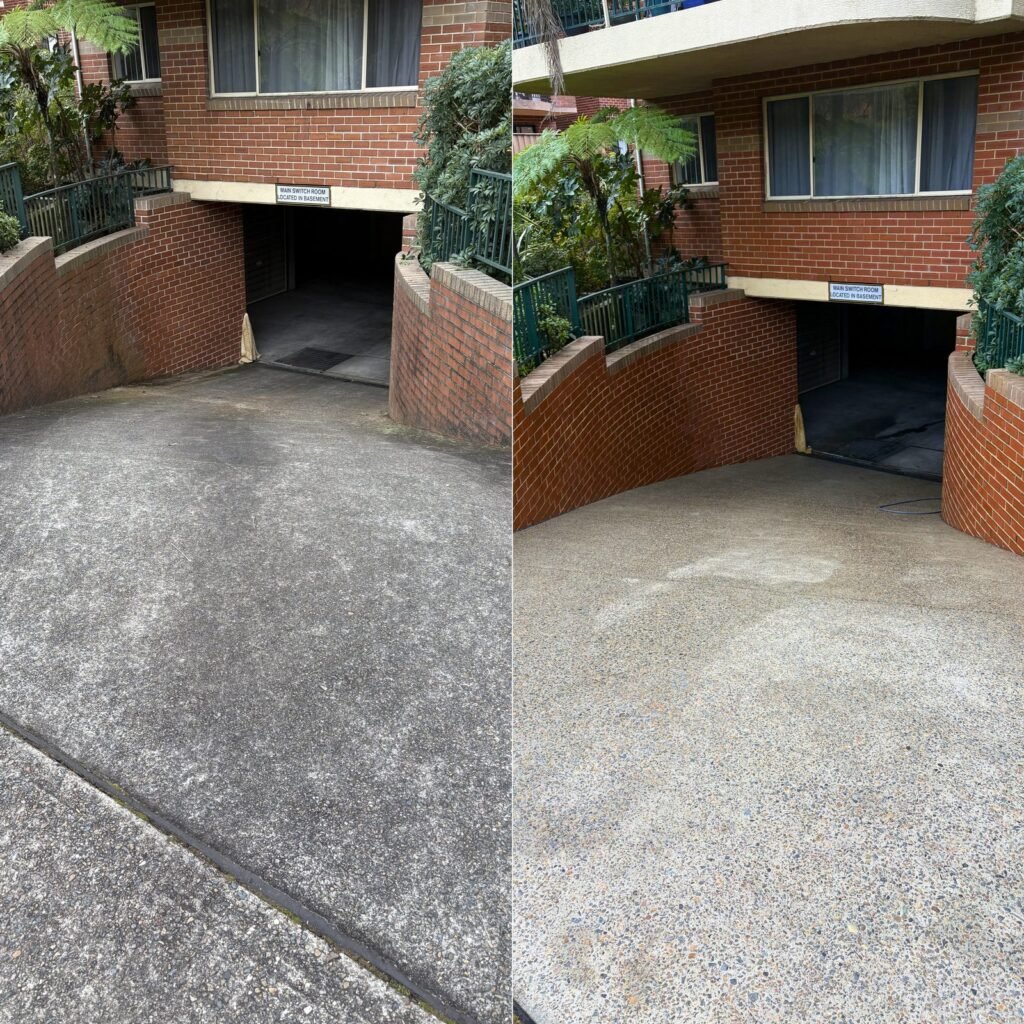
The last document is the one produced at the end — evidence of the condition before, the work done, and anything found along the way, including things nobody is going to fix.
On surfaces you cannot see from the ground it is the only proof the work happened at all. More: what is in our photo report.
What to do with all of it
Keep it. If you sell the property, a maintenance file with dated photo reports is a genuinely useful thing to hand a buyer, and it answers the inspection questions about the roof before they are asked.
And if you ever need to make a claim, the documents you collected before the job are worth more than anything anyone says afterwards.