Painters get blamed for peeling paint. Occasionally that is fair. More often the coating was applied to a surface that was never going to hold it, and the failure was determined before anyone opened a tin.
Exterior paint bonds to what it touches. If what it touches is chalk, mould or salt, that is what it bonds to.
Chalk is the main culprit
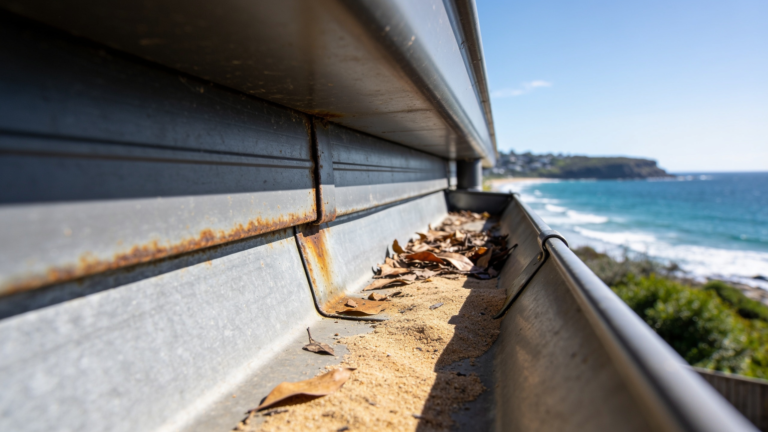
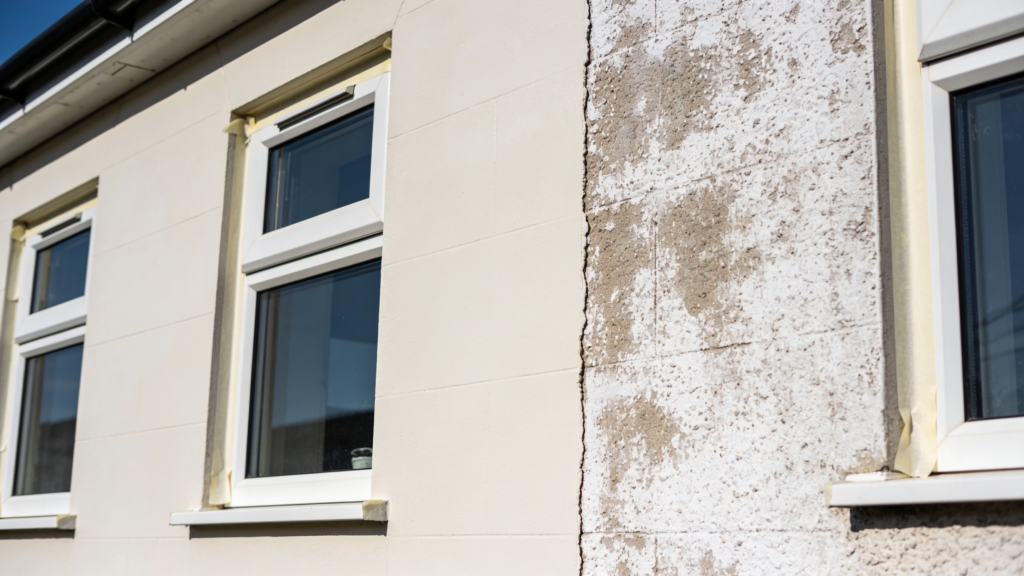
UV degrades the binder in the existing coating, leaving loose pigment on the surface — the same chalking that affects Colorbond. On a rendered or weatherboard wall that has gone a decade or more between repaints, there can be a substantial chalk layer.
Paint applied over it adheres to the chalk, and the chalk is barely attached to anything. The new coating looks fine for a year or two, then sheets off in large flakes, frequently taking the old coating with it.
The test is the same one from the fence article: wipe with a dark cloth. Heavy colour transfer means the surface needs washing until it stops, and possibly a binding primer after.
Mould is not killed by painting over it
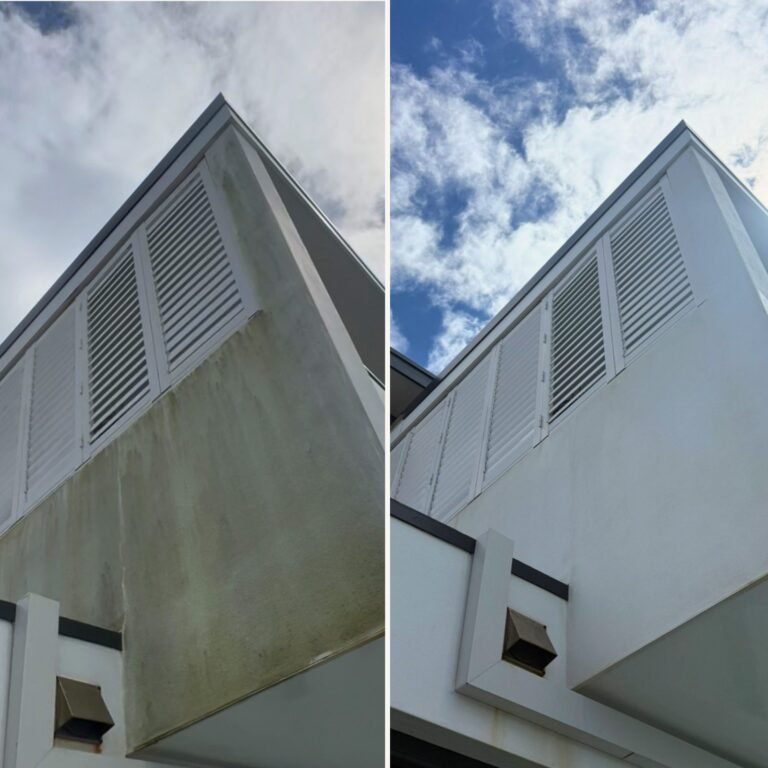
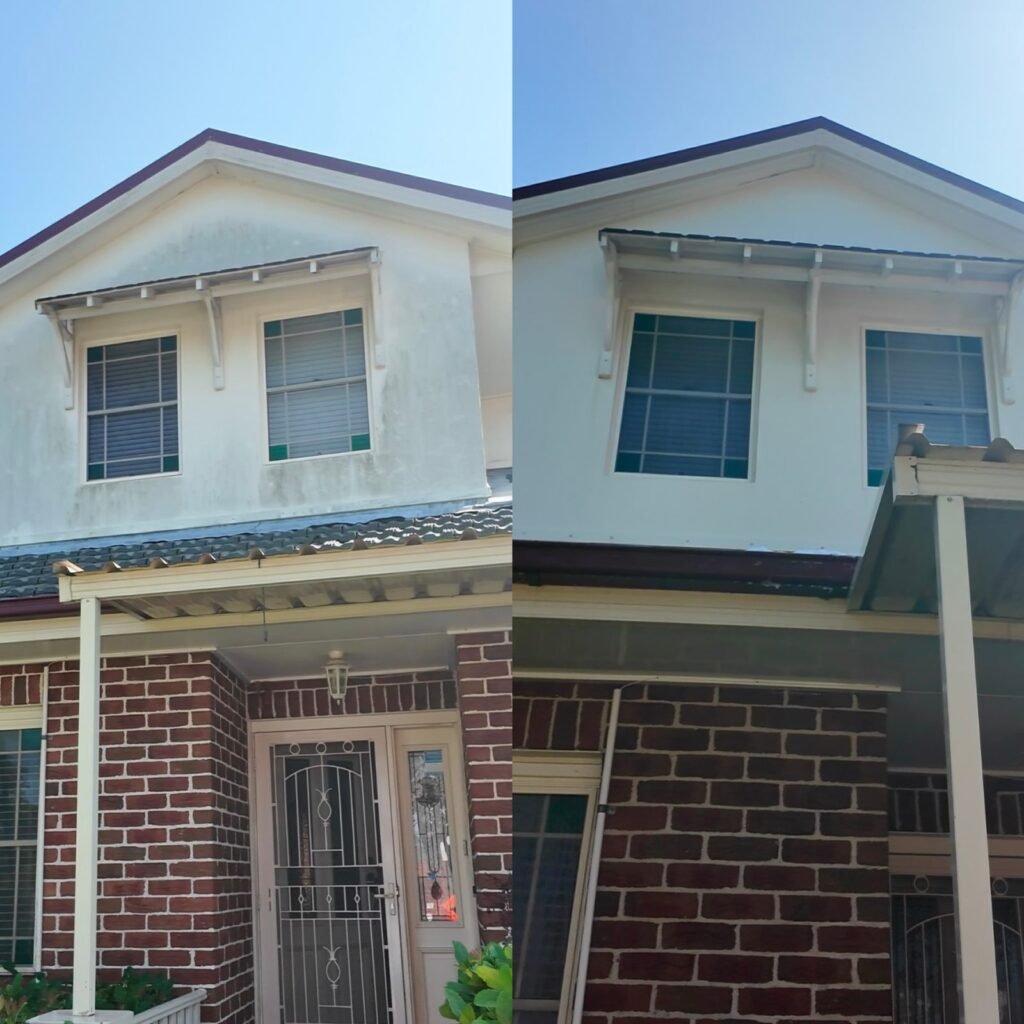
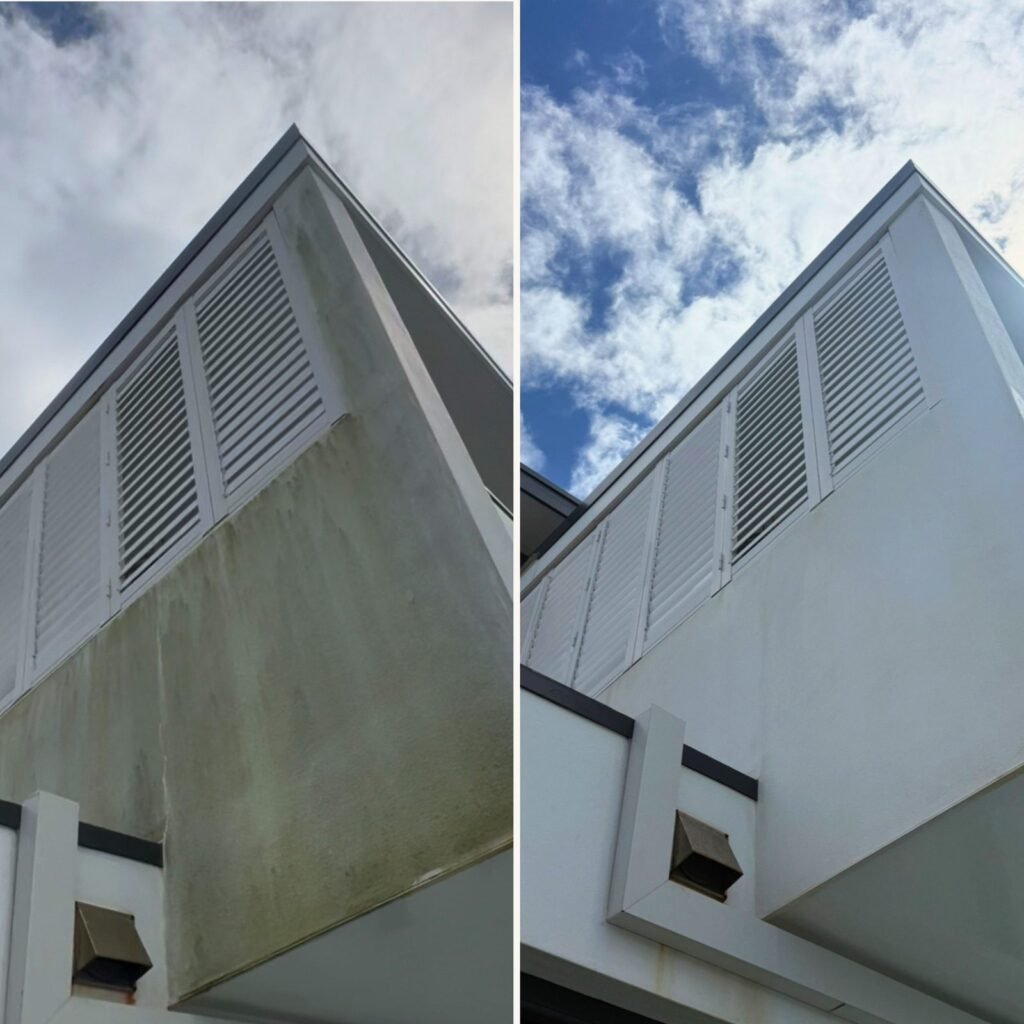
This is the most common and most avoidable mistake, and it is everywhere on shaded southern Sydney walls.
Mould is a living organism with hyphae extending into the substrate. Painting over it seals it in with a moisture source, and it continues to grow. It reappears through the new paint within a season or two, and owners assume the paint was faulty.
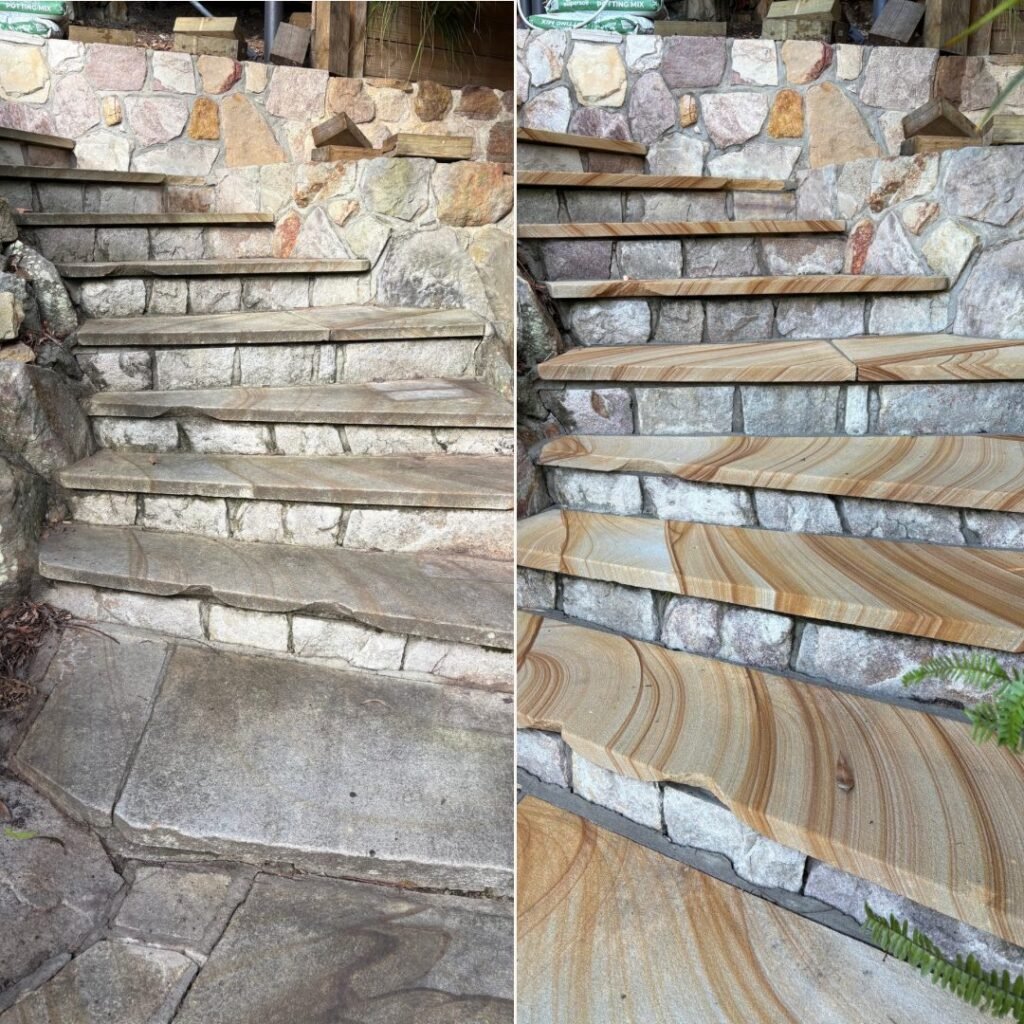
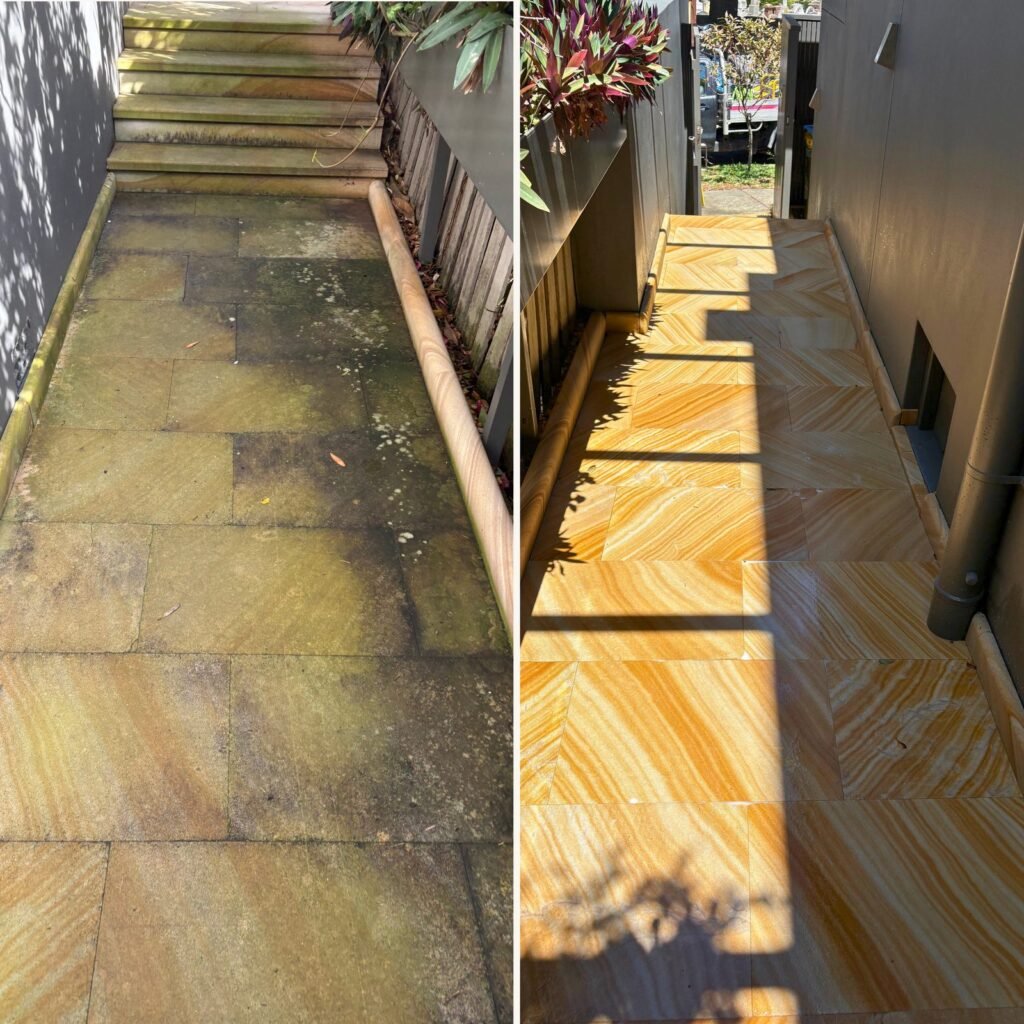
Washing alone is not sufficient either — physically removing the visible growth leaves the root structure. The surface needs a treatment that kills the organism, dwell time for it to work, then rinsing. That is what soft washing does, and it is why it matters before painting rather than merely for appearance.
Some paints include mould inhibitors. They slow recolonisation on a clean surface; they do not overcome being applied on top of established growth.
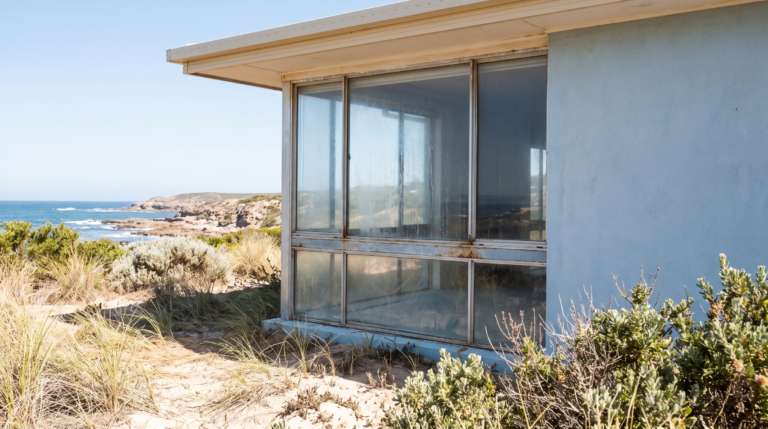
Salt, on the coast
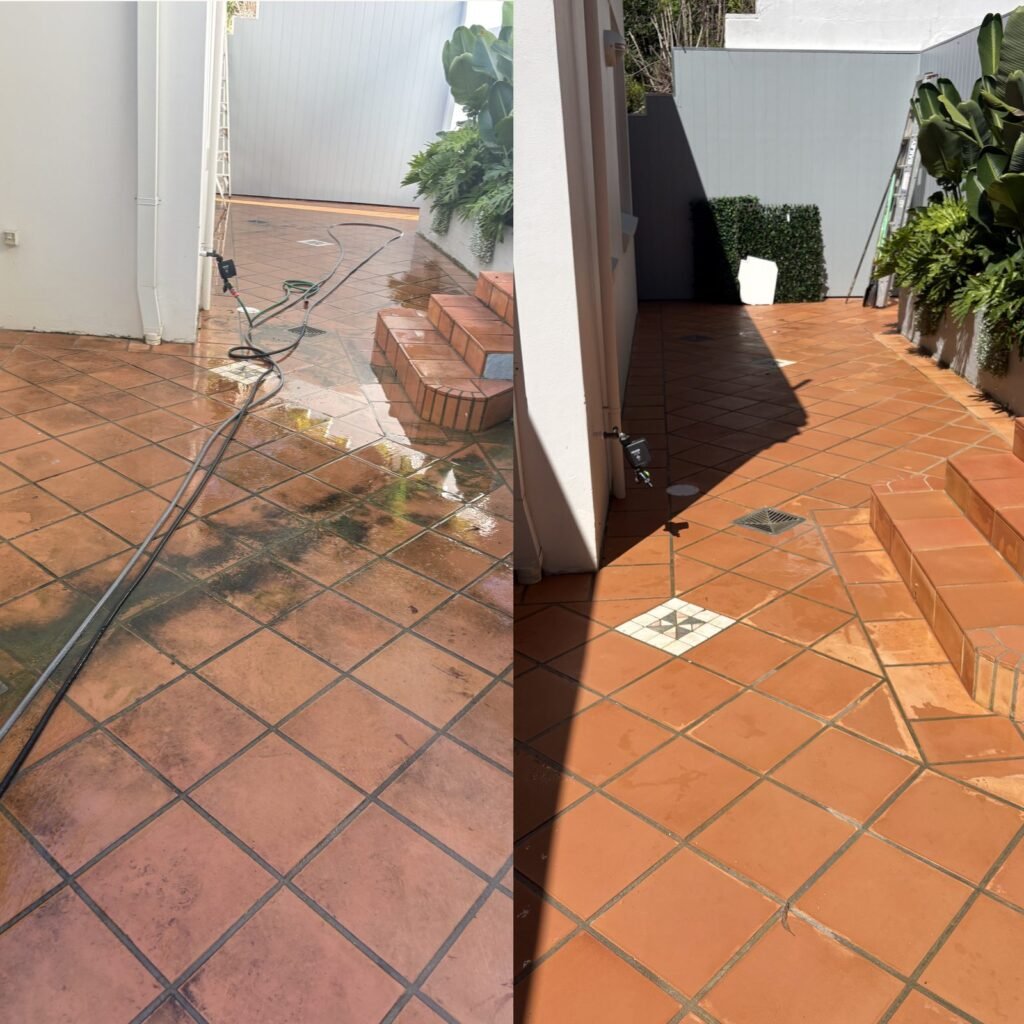
Anywhere near the water, walls carry salt deposits. Salt under a coating draws moisture through it and crystallises, producing blistering and osmotic failure.
A fresh water rinse is not an optional refinement on a coastal repaint. It is the step that decides whether the job lasts eight years or three.
The other pre-paint checks
Moisture content. Render and masonry hold water long after they look dry. Coating over a damp substrate traps it, and the result is blistering. After washing, allow proper drying time — days, not hours, on a shaded wall in winter.
Efflorescence. White salt bloom on masonry indicates moisture moving through the wall. Painting over it fails, and it also signals a moisture problem worth understanding first.
Existing coating stability. Washing will find loose paint. That is useful — better to remove it now than have the new coat lift it later.
Sheltered areas. Under eaves, behind downpipes and in corners never get rain-washed, so they carry the heaviest contamination and the most chalk. They are also the areas most often skipped in a quick prep.
Pressure is not the same as clean
High-pressure washing before painting is common and frequently counterproductive.
On render and weatherboard it drives water into the substrate, extending the drying time you then need. It can damage timber, open joints, and force water behind cladding. And it does not kill mould — it redistributes it.
Low-pressure application of an appropriate treatment, adequate dwell, then a controlled rinse achieves a genuinely clean surface without soaking the building.
Questions worth asking your painter
- How will the surface be prepared, and is mould being treated or just washed?
- How long between washing and first coat?
- Has the existing coating been checked for chalking, and is a binding primer needed?
- On a coastal property, is there a fresh water rinse step?
- What happens in the areas that never see rain?
A painter who has a clear answer to the drying time question is usually one who has had a job fail and learned from it.
Related: removing mould and algae from render without wrecking the paint and how we soft wash, step by step.