Efflorescence Removal
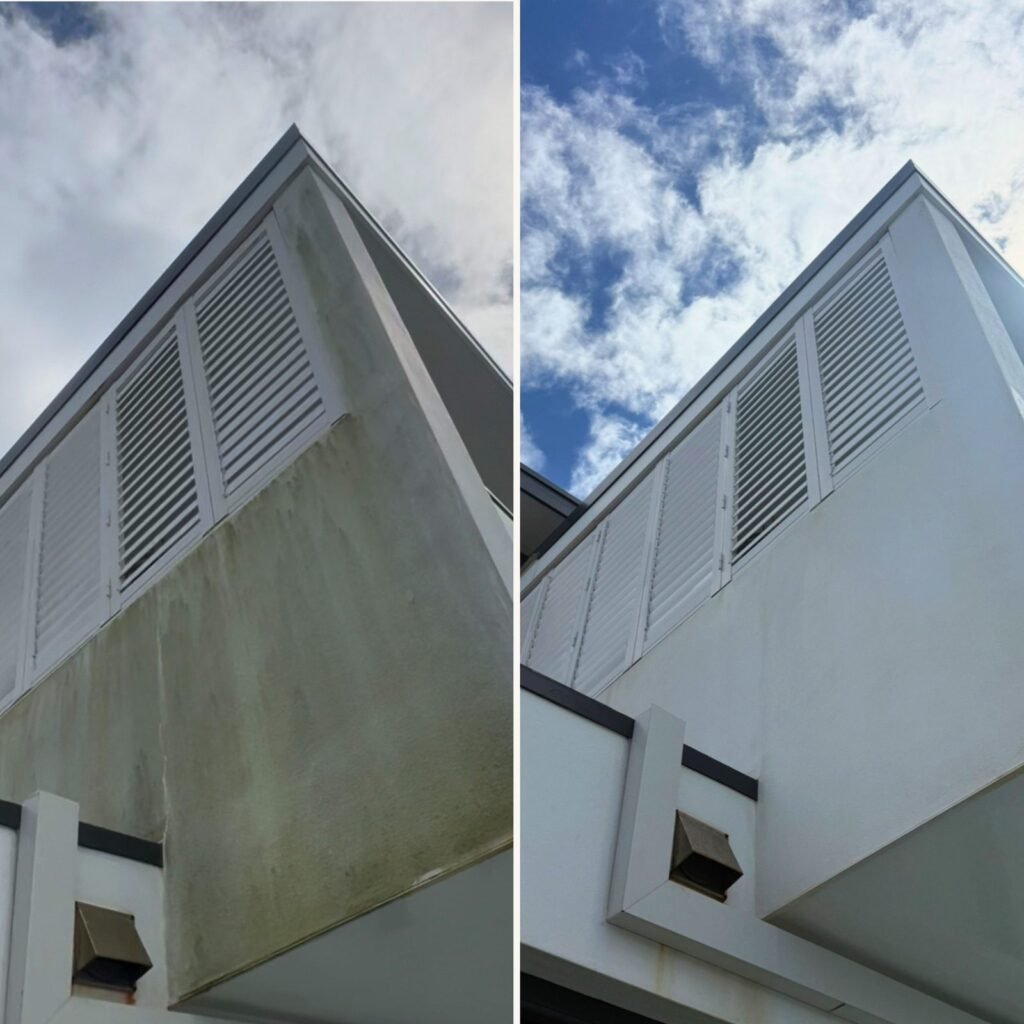
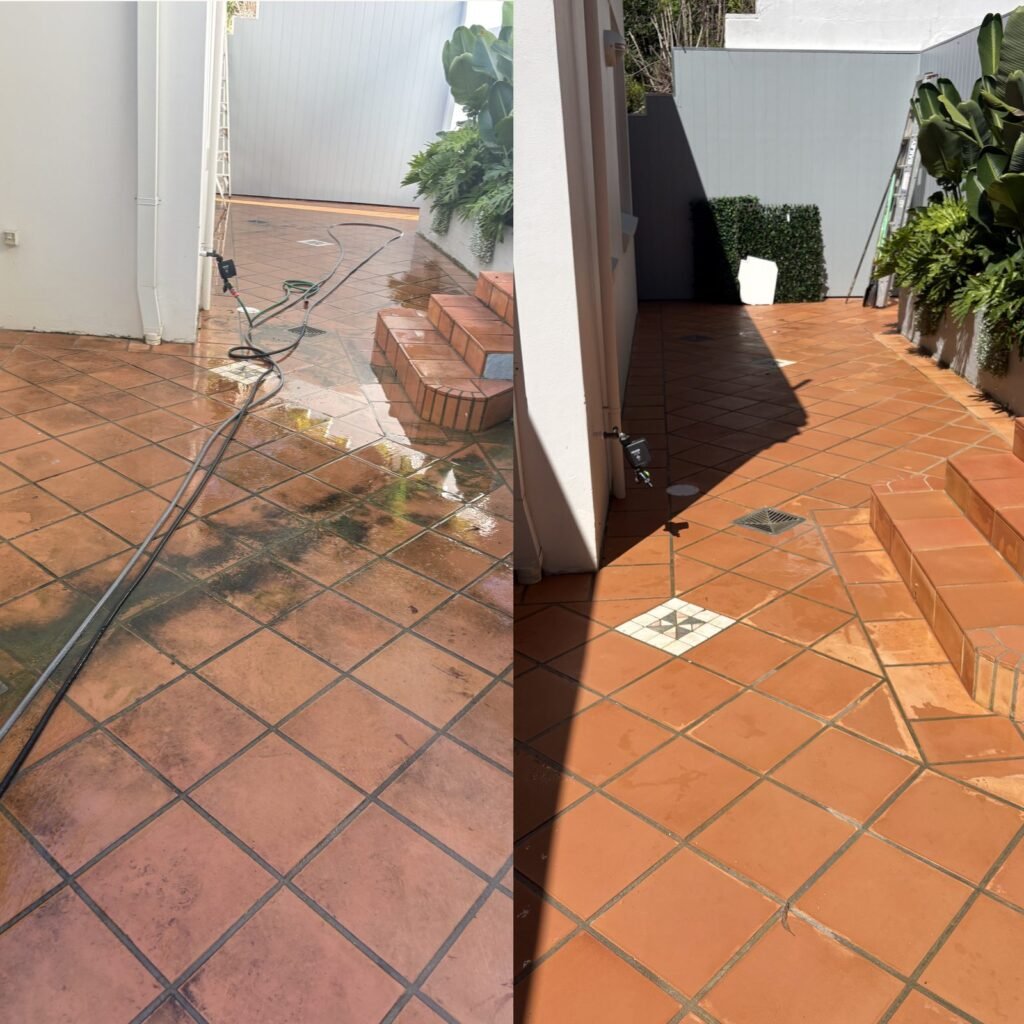
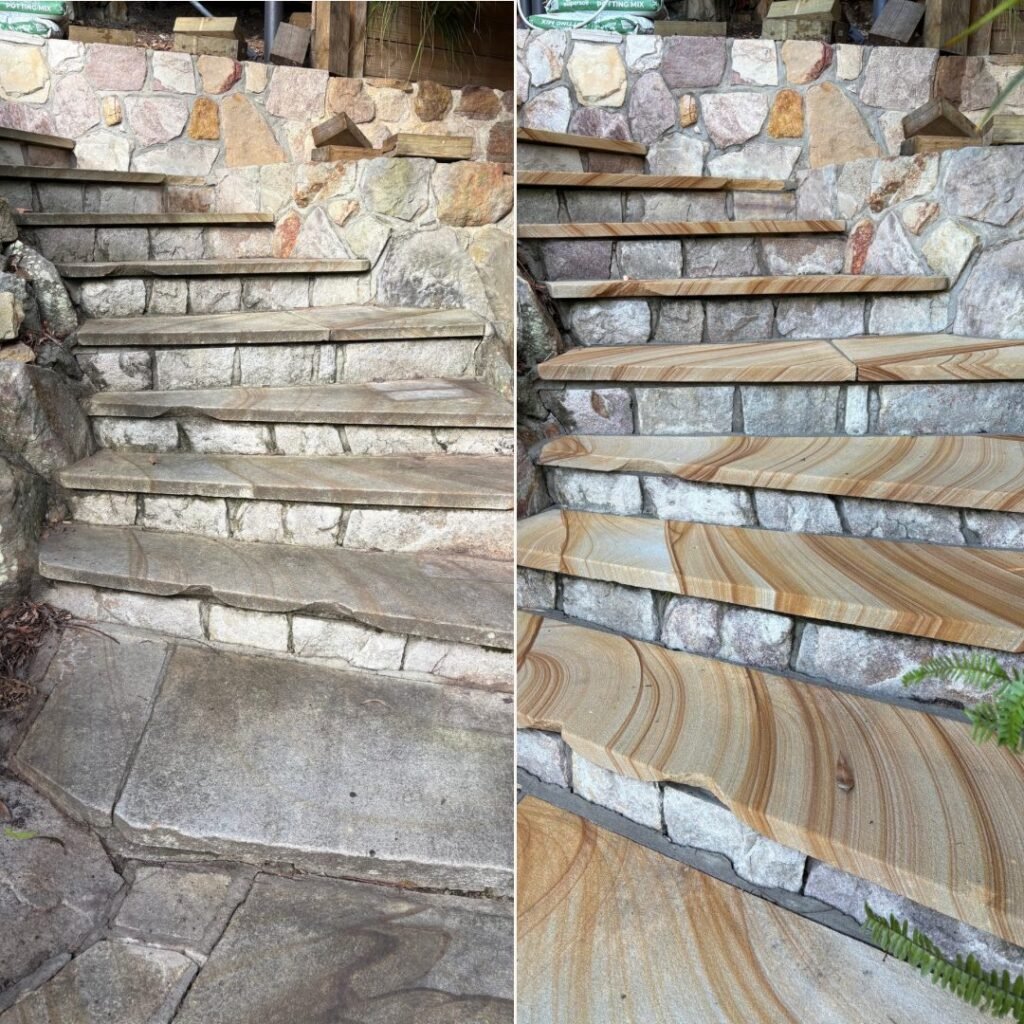
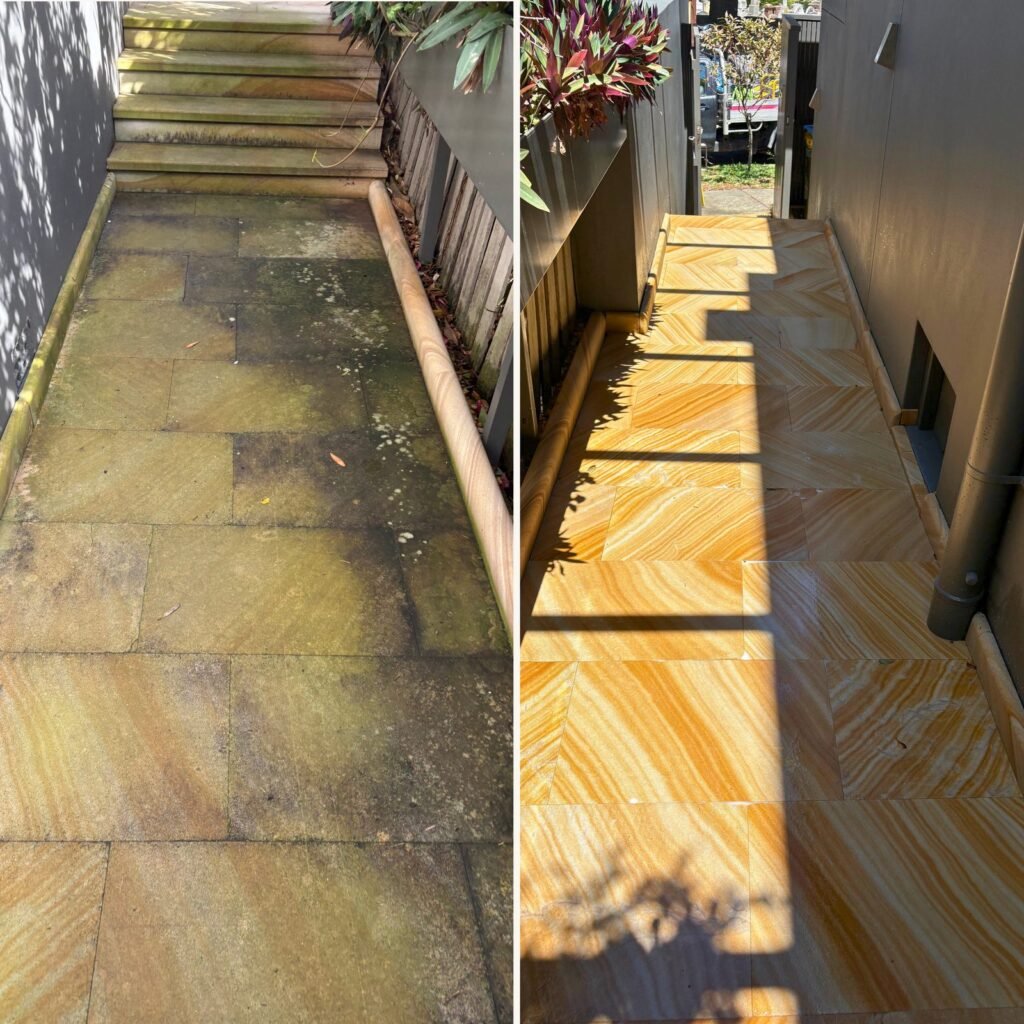
Efflorescence removal Sydney: the white salt bloom on pavers, render and stone removed with material-safe treatment, the moisture source diagnosed, and the surface sealed against return.
The white, powdery bloom on your pavers, render, brickwork or stone is efflorescence — mineral salts carried out of the masonry by moving water and left behind when it evaporates. It’s the most misunderstood problem in exterior cleaning, because it isn’t dirt: it’s a symptom. Wipe it off and it returns after the next wet week, because the water that’s carrying it hasn’t changed. Proper efflorescence removal is a diagnosis job first and a cleaning job second.
Why the usual fixes fail
Hosing it off makes it worse — efflorescence is water-soluble, so spraying dissolves the salt back into the pores to bloom again within a fortnight. Acid washing is the dangerous one: professionals do use carefully diluted acid on some brick and concrete, but on sandstone, limestone and travertine, acid etches and dissolves the stone itself, permanently — and efflorescence shows up on exactly those stones. Sealing over it is the most expensive mistake of all: a sealer applied over active efflorescence traps salt and moisture inside the masonry, where the crystals grow with enough force to flake the face off. What looked like a shortcut becomes spalling a year later.
How we remove it properly
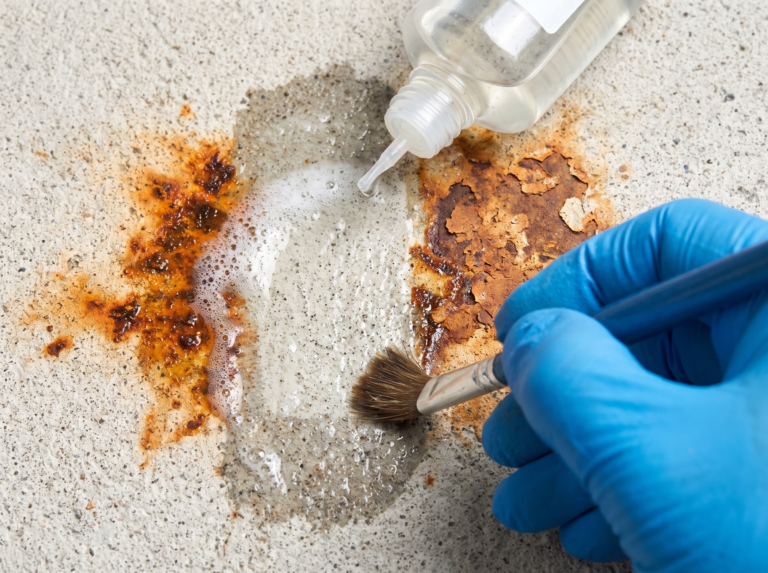
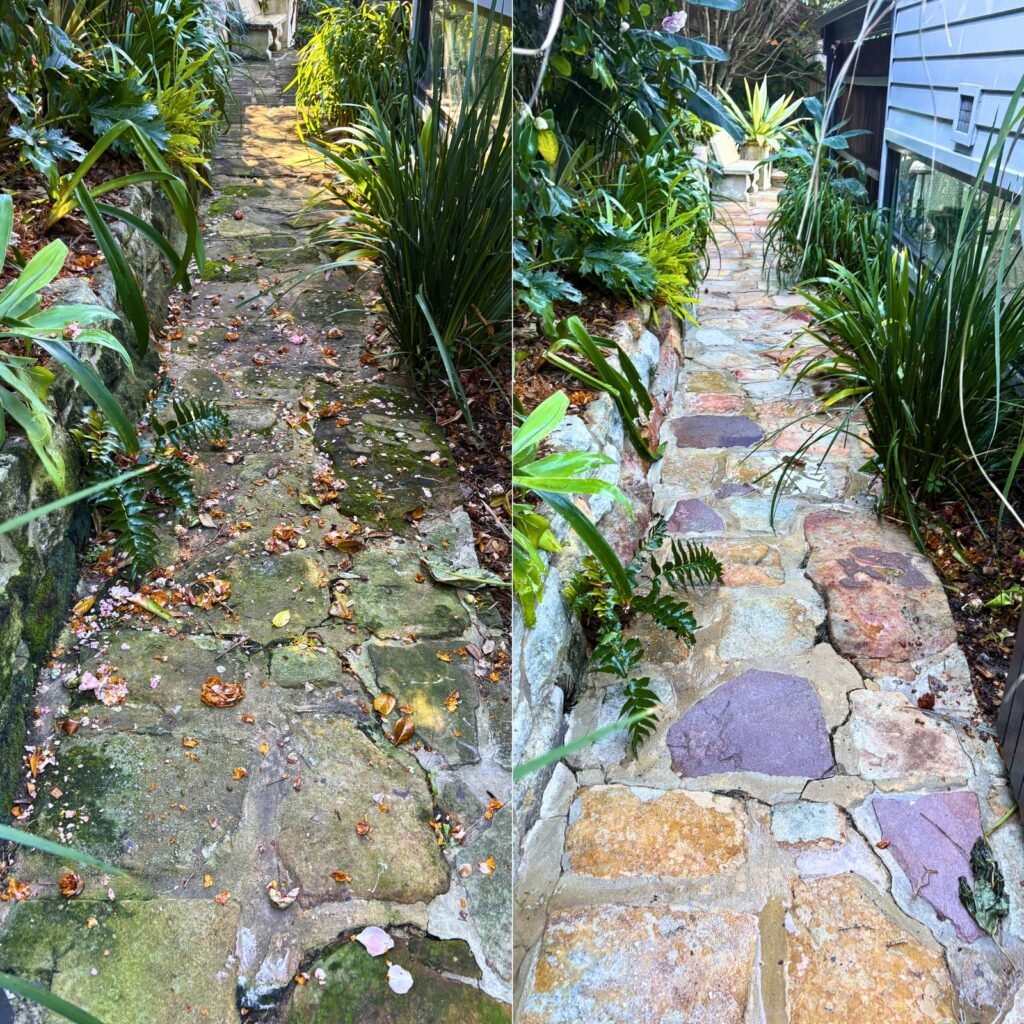
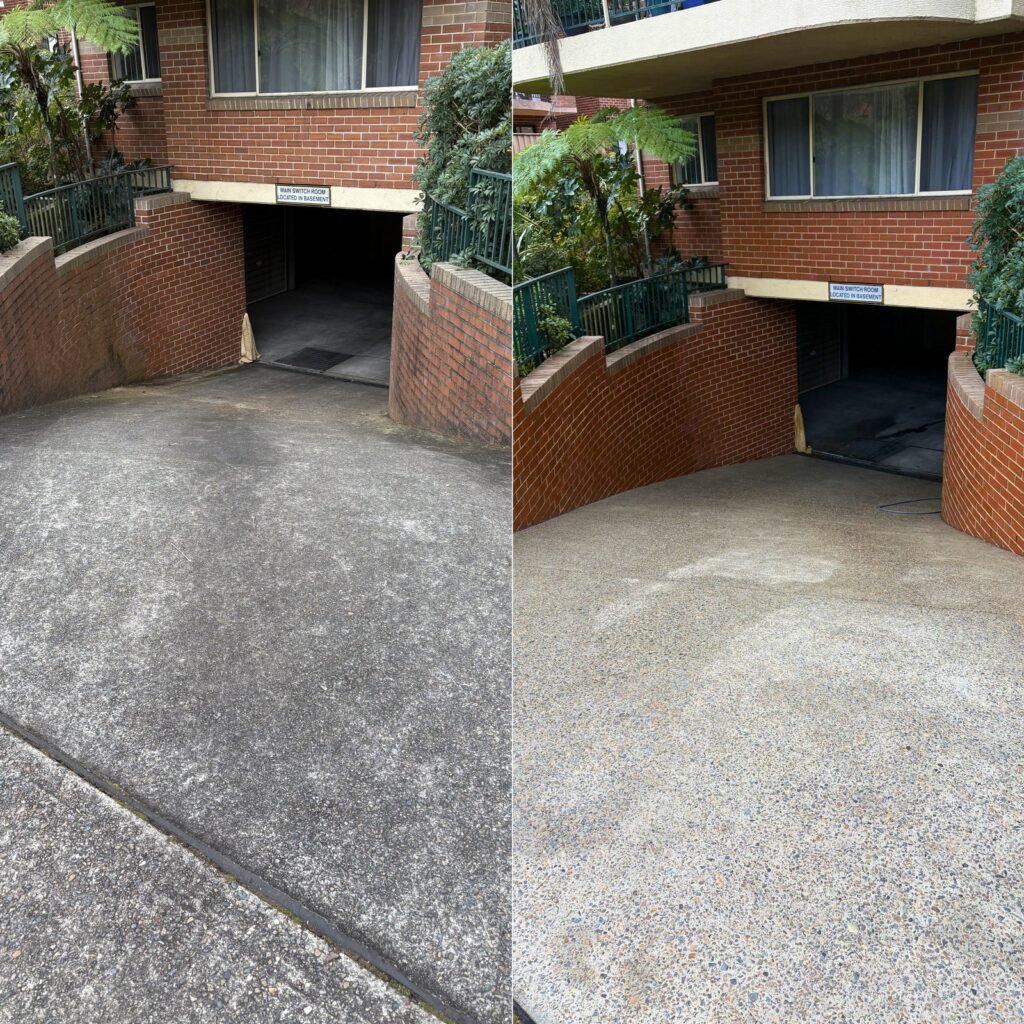
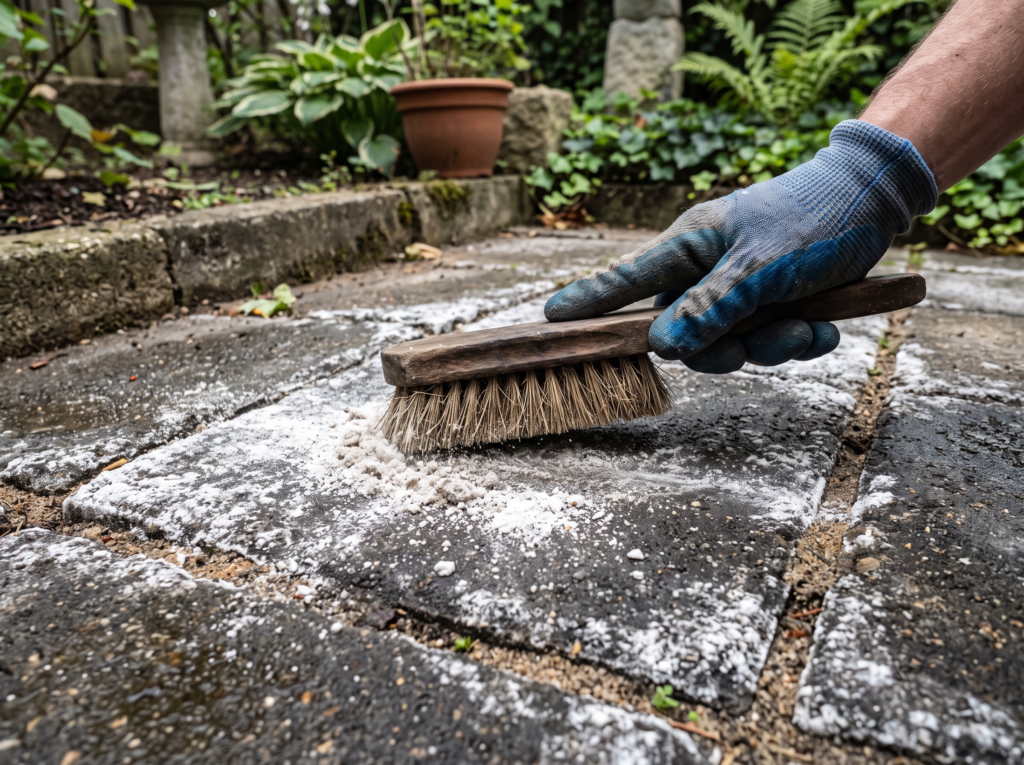
Dry extraction first — the bulk of the deposit comes off before water is involved. Then a treatment matched to the material: dilute specialist chemistry on concrete and clay paving, dedicated stone-safe efflorescence treatments on sandstone, limestone and travertine, always tested in a hidden spot and judged dry. Heavy carbonate crusts that have hardened over years sometimes need careful mechanical work by someone who knows exactly how much surface they’re taking with it.
The part that makes it permanent: finding the water
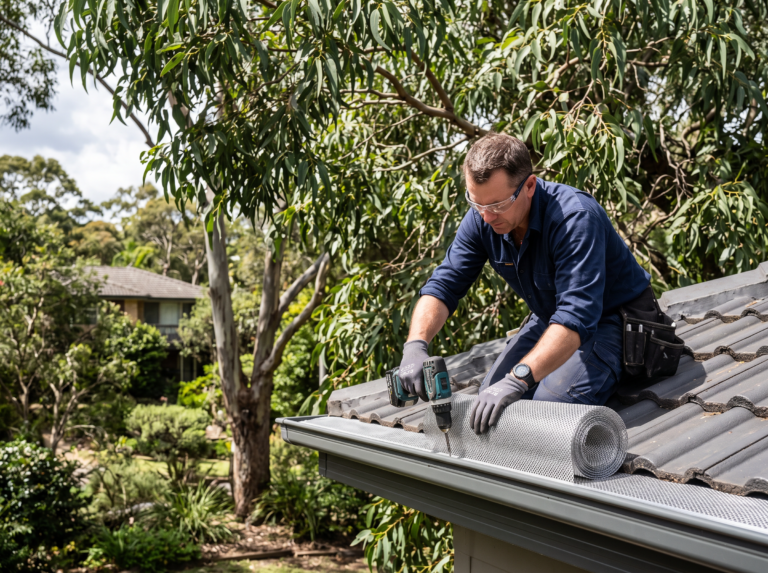
Every efflorescence job includes diagnosing the moisture driver, because that’s what decides whether the fix lasts. The usual suspects: irrigation spraying a wall daily, a leaking or overflowing gutter feeding the masonry below, blocked drainage behind a retaining wall, pool backwash across a surround, rising damp where landscaping has buried the original damp course, or plain coastal exposure. We tell you what’s feeding yours and what’s worth fixing — sometimes it’s a $50 downpipe repair that ends a five-year problem.
Then we seal it out
Once the masonry is clean, dry and salt-free — and the water source is managed — a breathable impregnating sealer stops the surface drawing in new salt-laden water while still letting internal moisture escape. Done in that order it’s excellent protection; it’s the same coastal-rated sealing we run in our sandstone, limestone and paver services.
When to call us
If the bloom keeps returning, if it’s on valuable stone where experimentation is expensive, or if the surface has started to flake, pit or shed sand — that last one means the salt is now working inside the material. Send photos and get a fixed quote — we’ll tell you what you’re looking at, honestly, before we quote to fix it.
Get a fixed written quote
Itemised by surface, priced before we start, and never finished until you've walked the property with us.
Request a Free Quote