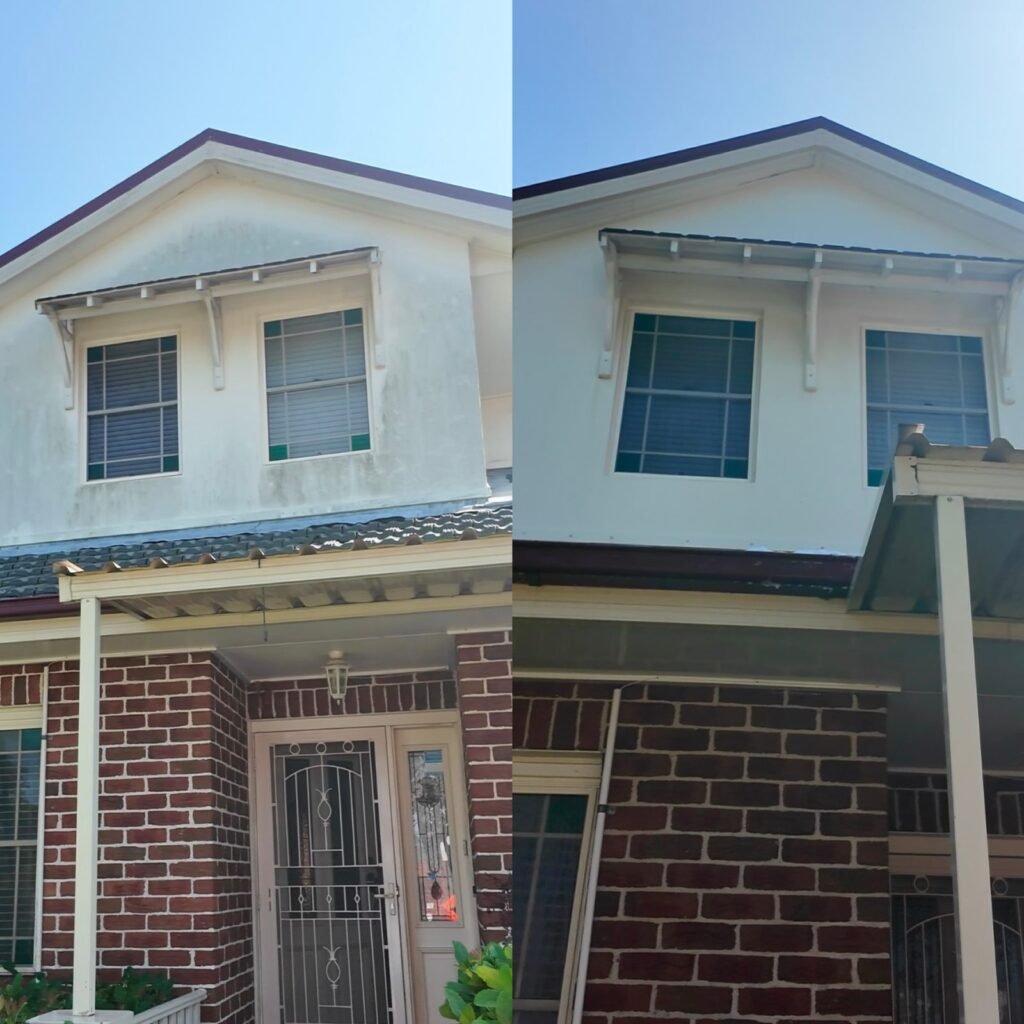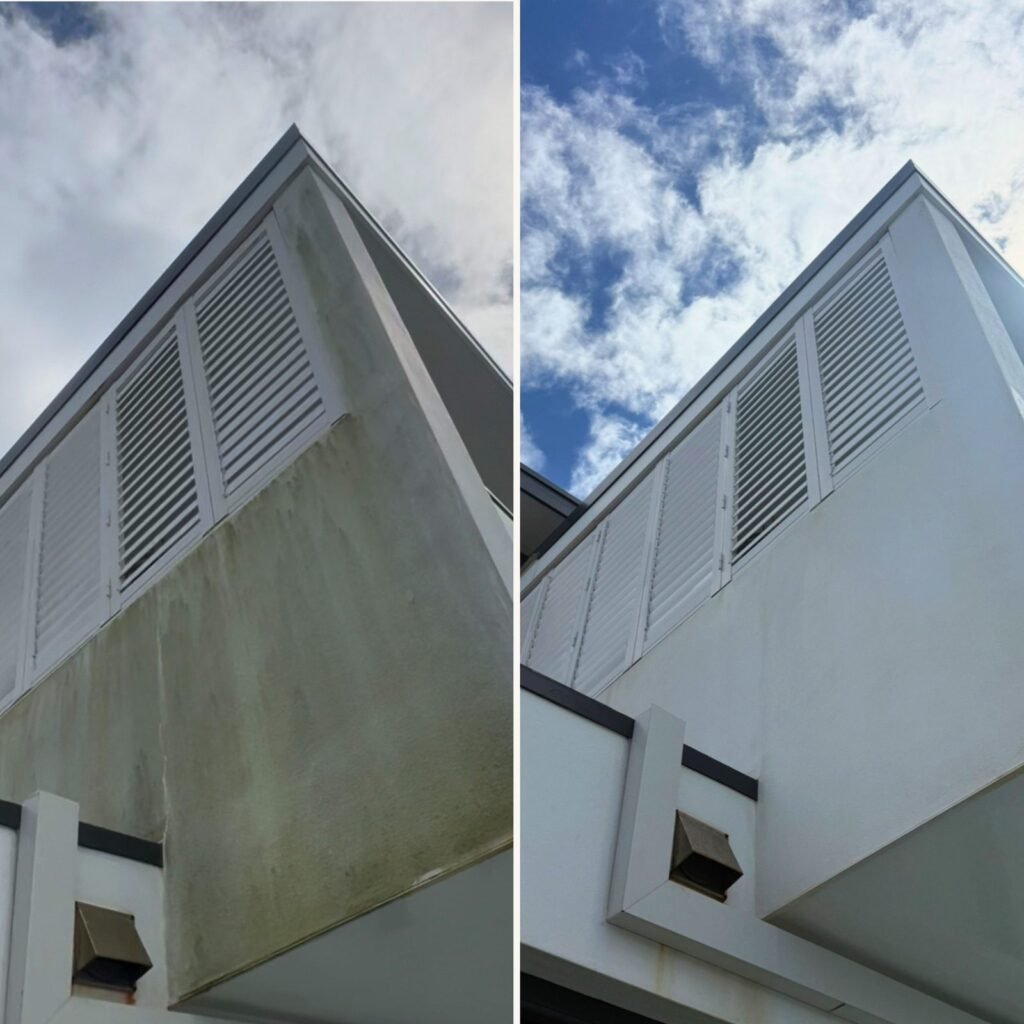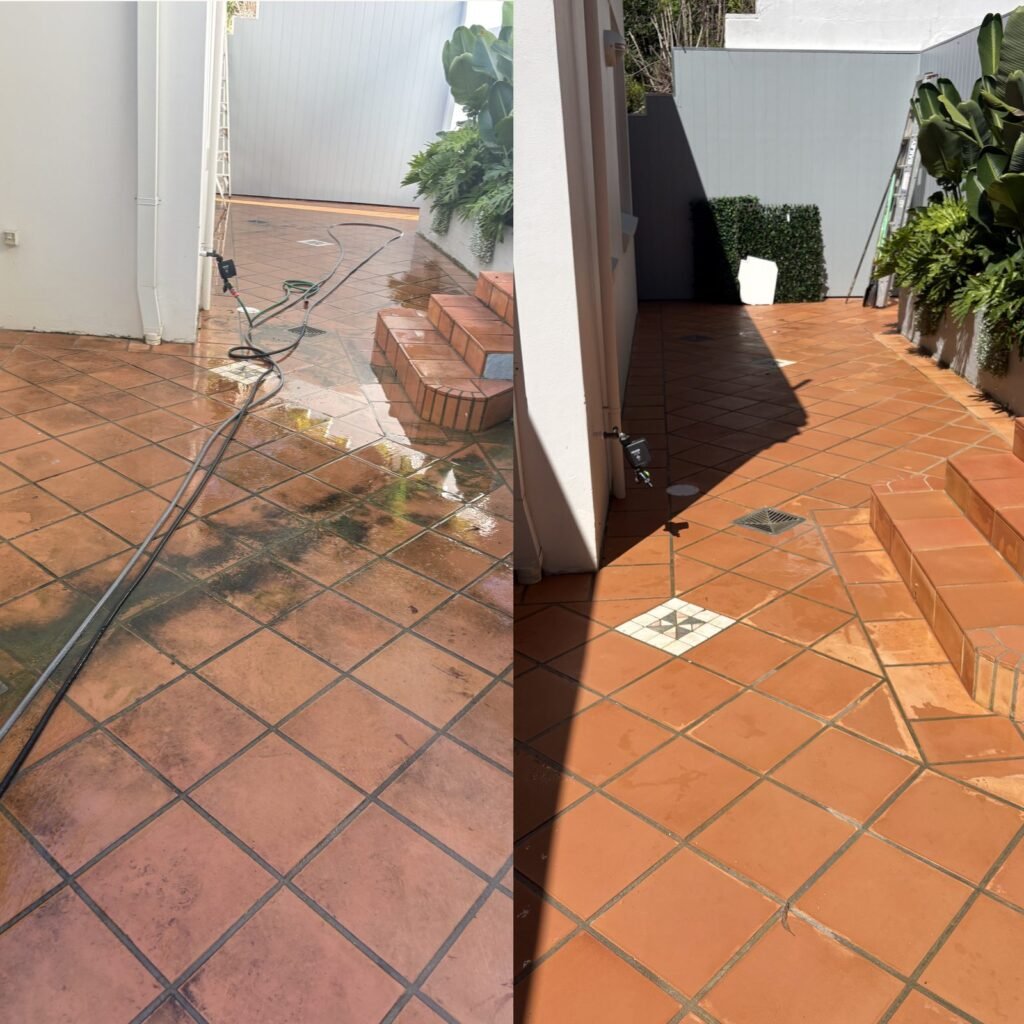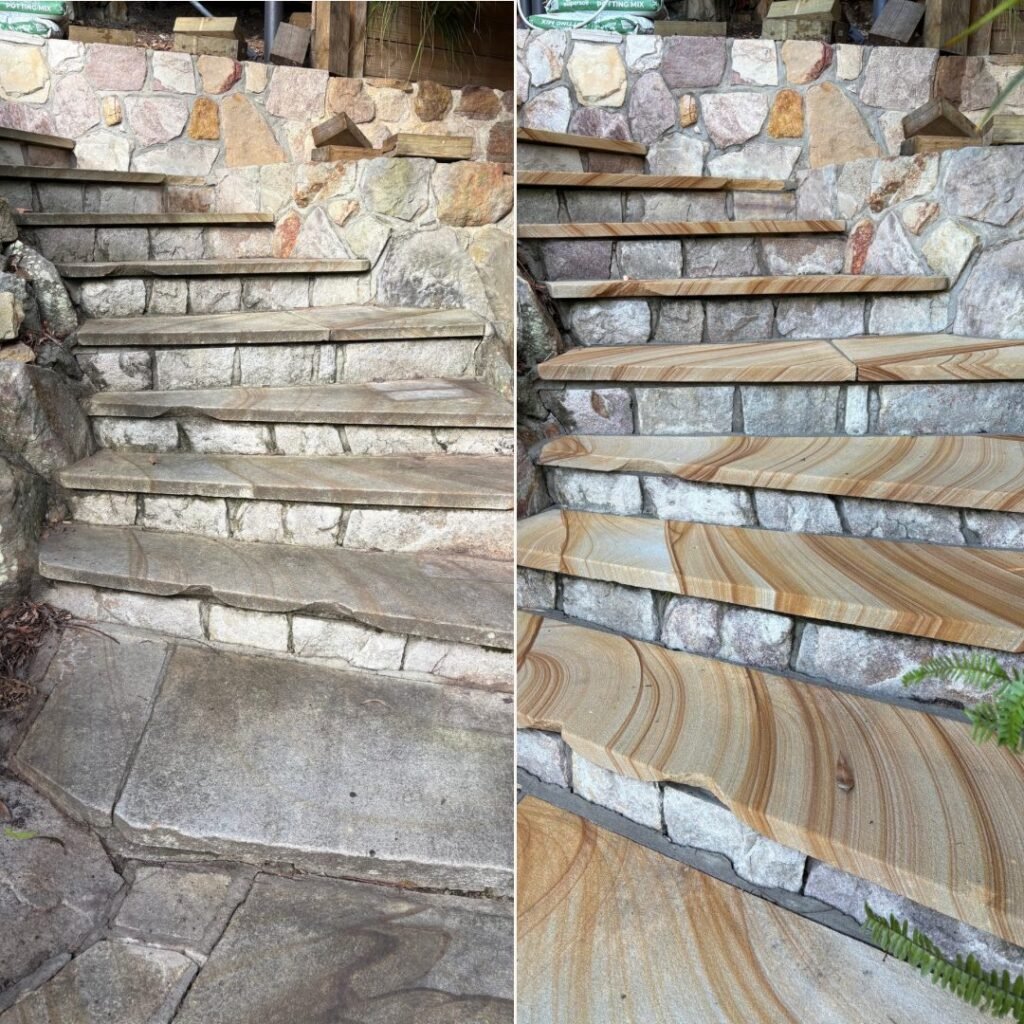
A modern Sydney house has more electrical equipment outside than it did twenty years ago. Meter box, switchboard, garden lighting and its transformers, pool pump and chlorinator, heat pump, air conditioning condenser, solar isolators, an EV charger, outdoor power points, sometimes a whole outdoor kitchen.
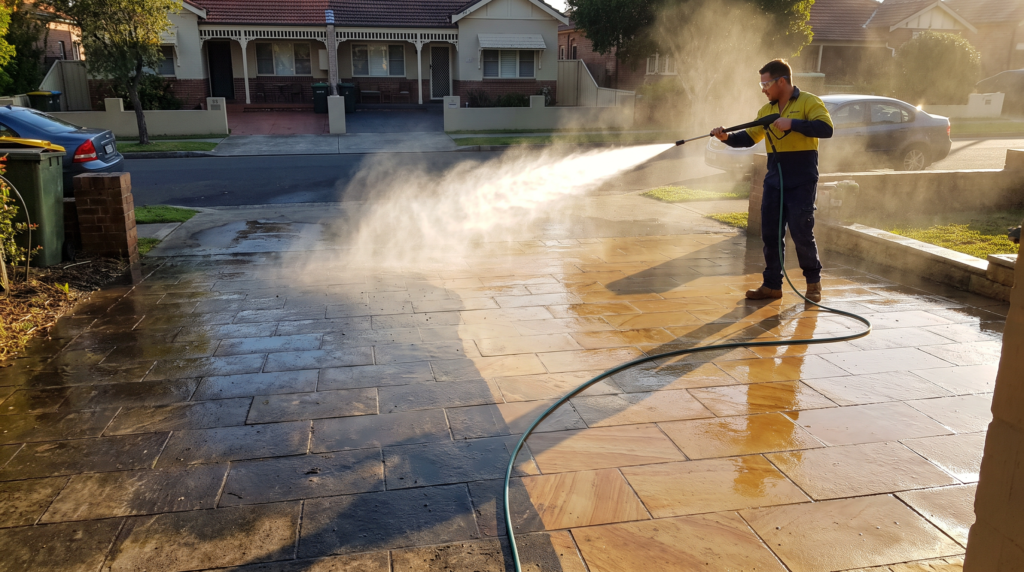
All of it is rated for weather. None of it is rated for a pressure washer held half a metre away, and the distinction is the entire point.
Rain and jets are different tests
Outdoor electrical enclosures carry an IP rating, and the second digit is the water rating. Most domestic outdoor equipment sits at a level that covers splashing and rain falling at an angle. Direct jets are a higher rating again, and pressurised jets higher still.
A domestic pressure washer produces well beyond what a typical outdoor enclosure is tested for. Aim it at a vent or a cable gland and water goes inside, where it either causes an immediate fault or sits and corrodes terminals for months.
Seals also age. A twelve-year-old outdoor power point with a perished gasket has whatever rating the rubber still provides, which is usually none.
What gets isolated, covered or avoided
Meter box and switchboard. Never sprayed, never opened, and not cleaned by us beyond a wipe of the exterior face. Water in a switchboard is a serious fault and there is no version of a house wash that requires the enclosure to be wet.
Garden lighting and transformers. Low voltage garden lighting is generally the most exposed and the most poorly sealed thing in a garden, because fittings sit in mulch and get moved. Fittings should be switched off before work and left off until dry. Transformers are usually mounted low on a wall and are a common casualty.
Pool equipment. Pump, chlorinator, heater and controller live in a cupboard or against a fence, exactly where paths and surrounds are being cleaned. Isolate at the switchboard first, not just at the unit. Chlorinator cells and salt systems are the expensive part.
Air conditioning condensers and heat pumps. The fins bend under pressure and blocked fins cost you efficiency permanently. If a condenser genuinely needs cleaning that is a job for the air conditioning trade, not a pressure washer.
Solar isolators and inverters. Rooftop isolators sit exposed and are already a known weak point for water ingress. They should not be washed, and a roof clean should be planned around them. That sits alongside the wider question of cleaning solar panels safely.
EV chargers. Wall mounted, sealed, and near the driveway that is about to be cleaned. Isolate and cover. Do not spray the cable holster or the connector.
The things people forget
Doorbell and camera units, outdoor speakers, irrigation controllers, gate motors and intercoms all sit at working height on the wall being washed. Gate motors in particular are usually mounted at ground level next to a driveway and get hit almost every time.
Sensor lights are another. They fill with water, then trigger continuously at night for weeks afterwards, and the owner never connects it to the clean.
What a contractor should be doing
The reasonable standard is not complicated:
- Walk the property before work and identify every outdoor fitting, not just the obvious ones.
- Isolate what can be isolated at the board, and confirm with the owner rather than guessing which circuit does what.
- Cover and tape what stays live, and remove the covering the same day.
- Run their own equipment through an RCD, and use a lead in good condition. Site power on a wet job is the crew safety issue, separate from protecting yours.
- Keep the lance away from every enclosure, vent and cable entry regardless of rating.
This belongs in the same category as the insurance and licensing questions worth asking before anyone starts. It is a reasonable thing to ask about and a bad sign if the answer is vague.
If something does get wet
Do not switch it back on to see whether it still works. Leave it isolated, and get a licensed electrician to look at it. Energising a wet fitting is how a recoverable situation becomes a replacement, and occasionally worse than that.
Older houses without RCD protection on every circuit are the ones to be most careful with, and there are still plenty of them across the eastern suburbs and the inner west.
The short version
Water and electricity outdoors is a solved problem as long as nobody forces it. Almost every incident on a cleaning job comes from someone pointing a lance at something they had not looked at properly, usually at the end of the day.
Written by the team at The Prestige Standard, exterior cleaning contractors working across Sydney. Fixed written quotes within 24 hours with every surface itemised, $20 million public liability. See our service areas or call 0494 810 609.