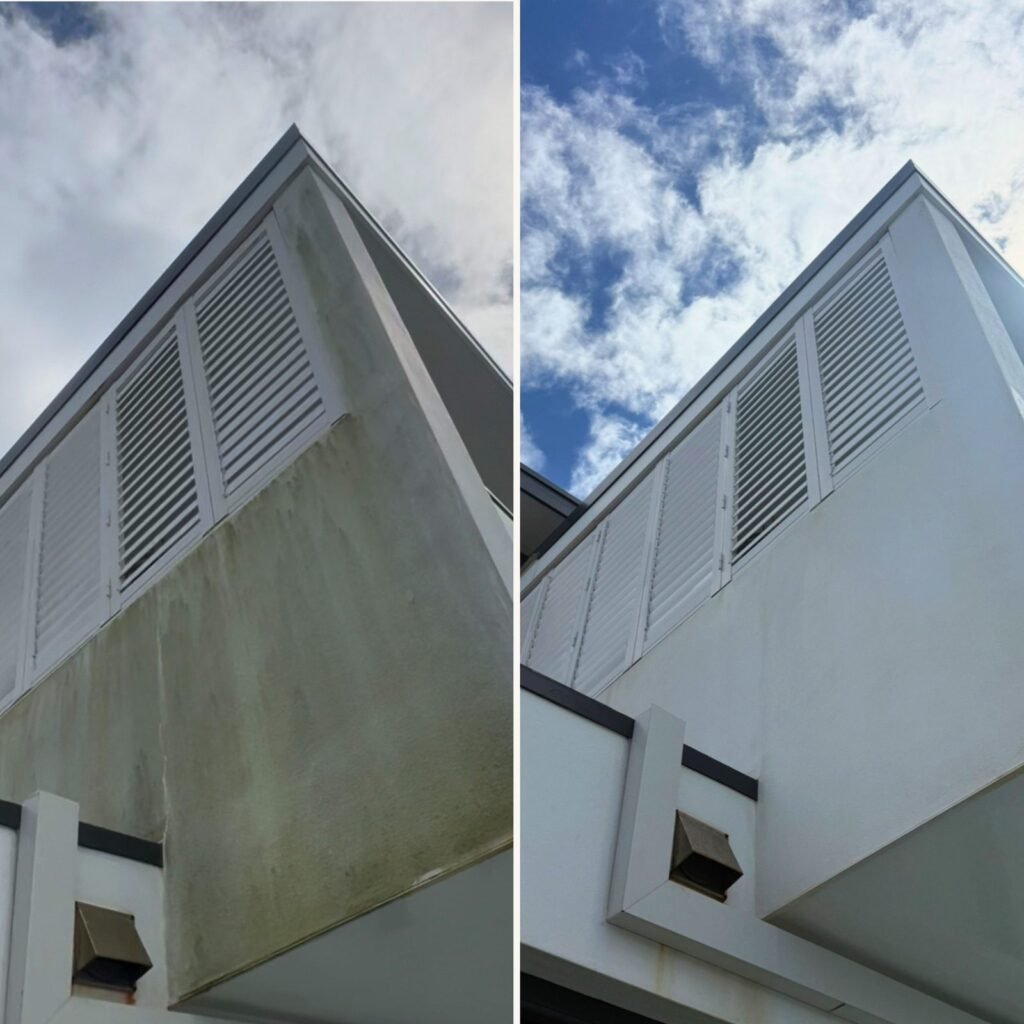
Woollahra is largely a heritage conservation area, and that changes the job before anyone picks up a lance. The housing stock is Victorian and Federation terraces and semis, built with soft brick, lime mortar and original tuckpointing, and frequently painted with coatings that predate 1970.
The methods that work on modern brick actively destroy this fabric. The background is in our piece on Woollahra and Paddington, and the planning side is covered under heritage listings and conservation areas.
Check the controls before the quote
Routine maintenance that returns a surface to its existing condition is generally treated as maintenance. Work that changes appearance or removes original material is a different question: abrasive cleaning of face brick, removing paint from masonry, or anything touching original tuckpointing.
Asking the council heritage adviser first costs nothing. Proceeding and being wrong does not.
Brick, mortar and pointing
Lime mortar is deliberately softer than the brick around it, so the wall can move and any decay happens in the joint rather than the brick. Pressure and modern chemistry destroy that logic quickly, and repointing a tuckpointed terrace is expensive specialist work.
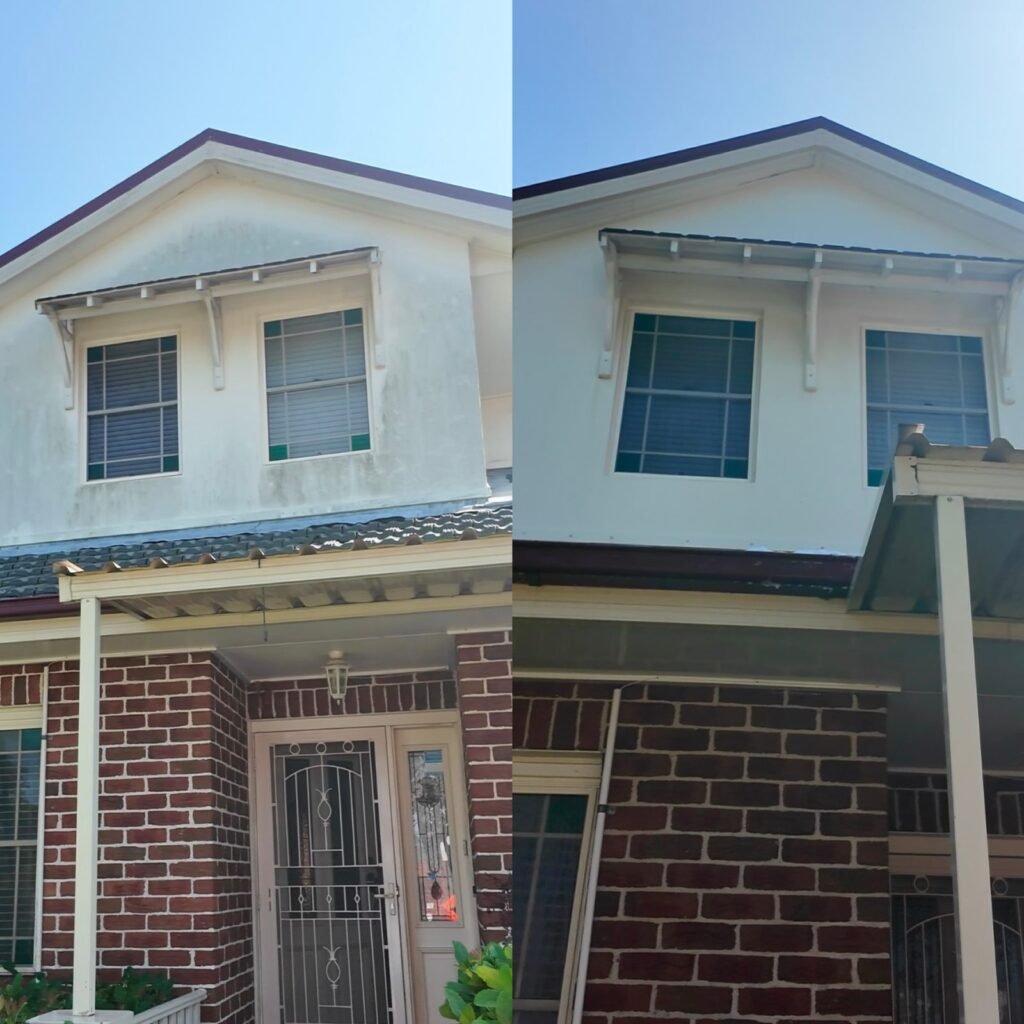
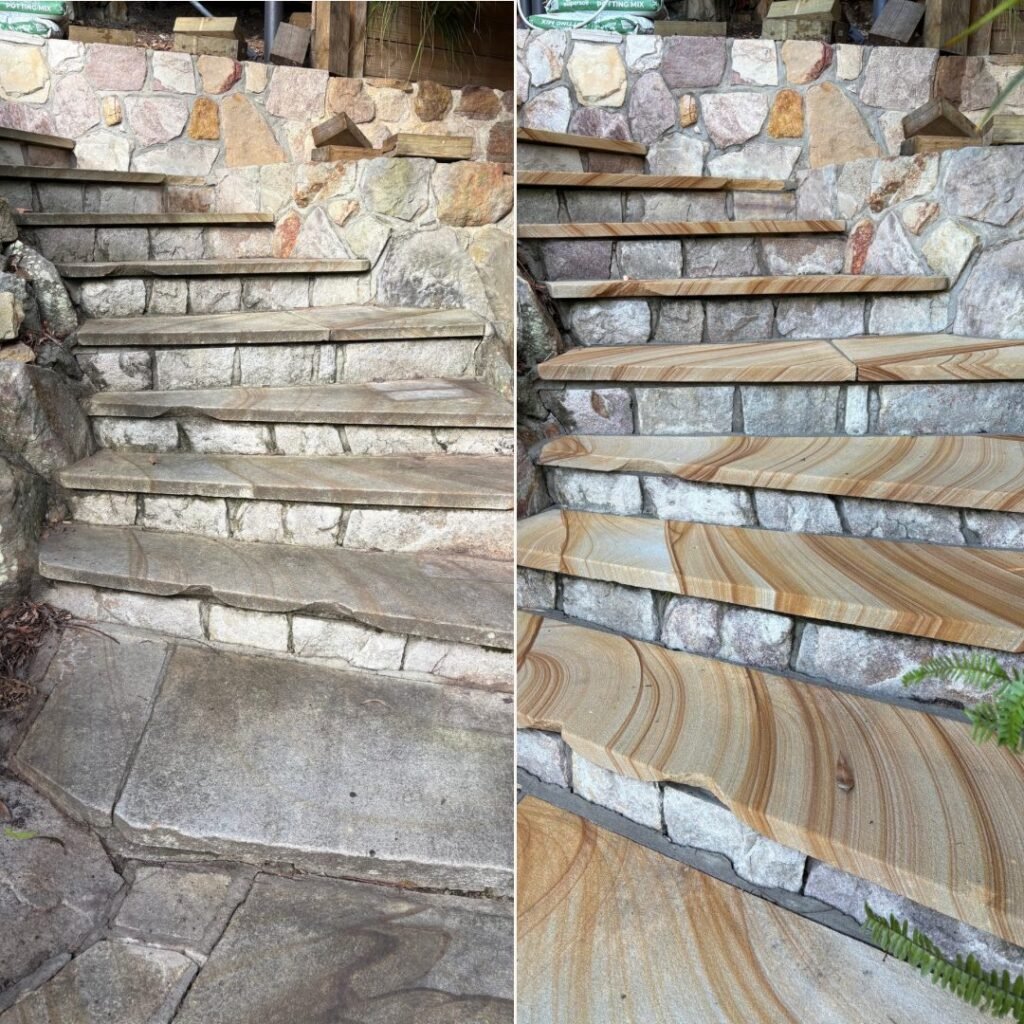
Brick cleaning here is low pressure with chemistry matched to the substrate, tested in an inconspicuous area first. Sandstone cleaning on plinths, sills and garden walls follows the same rule, with sandstone sealing only where the stone is sound.
Old paintwork is a controlled job
Paint predating 1970 on these houses generally contains lead in the older coats. Blasting it produces chips and dust that land in the garden bed and the shared path, and the soil is the part owners underestimate.
The correct approach is containment, low pressure and collection of debris rather than a rinse into the beds. The detail is under lead paint on pre-1970 homes. House washing and soft washing here are performed with that in mind.
Render, growth and shade
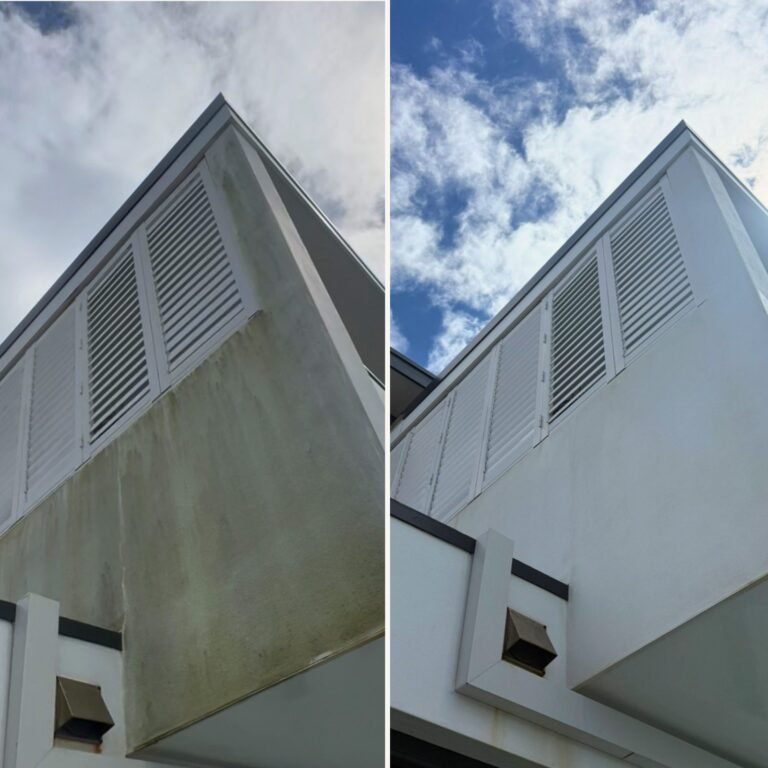
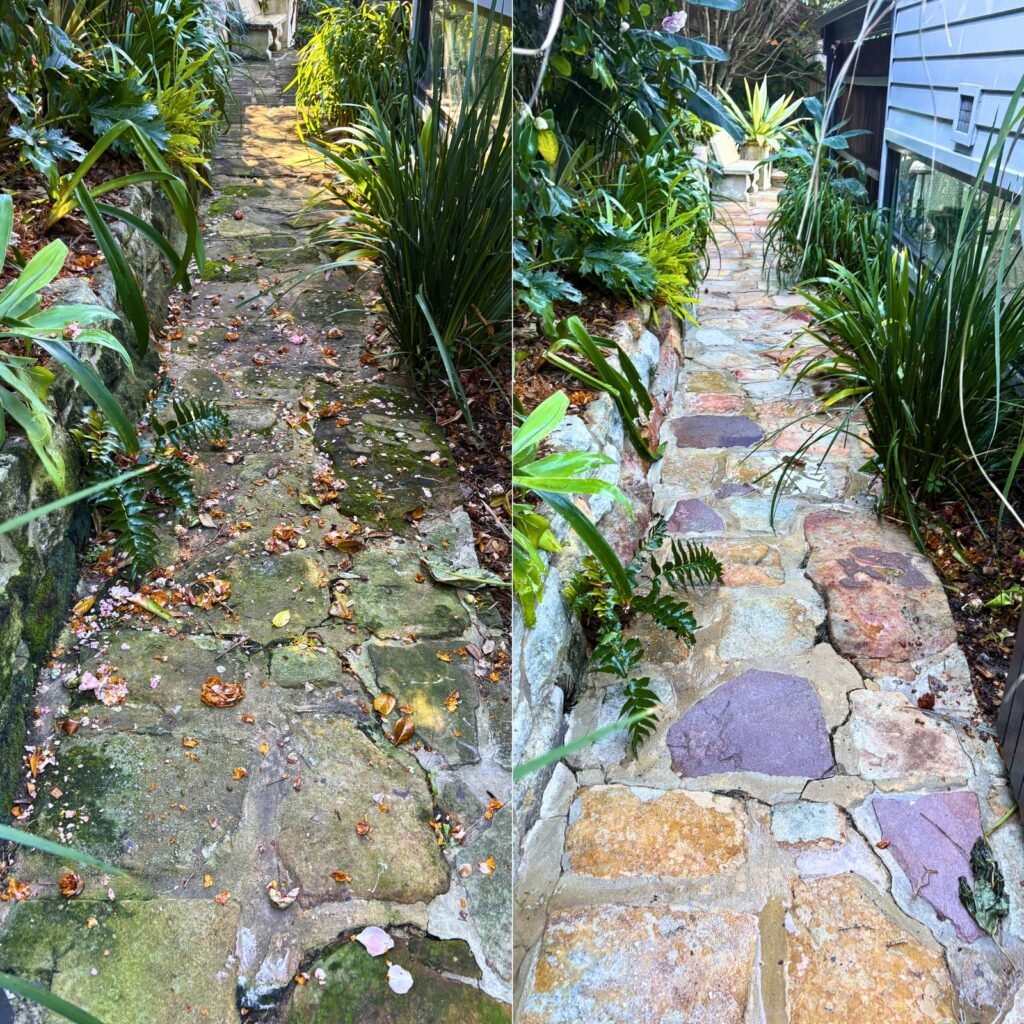
Terrace rears and side passages get very little sun and stay damp. Render cleaning and mould removal address the growth that follows, and rising damp on old brick is a building problem that cleaning will not fix and can worsen.
Roofs on narrow blocks
Slate and terracotta are common and both are unforgiving. Roof cleaning and roof moss treatment are treatment-based, and expecting a hundred-year-old roof to look new is not realistic.
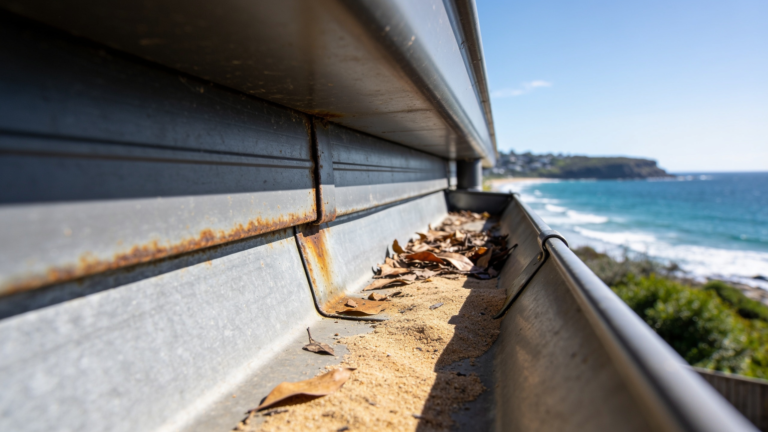
Gutter cleaning on terraces frequently means box gutters and shared valleys between neighbouring properties, which is slower and needs coordination. Solar panel cleaning and roof painting complete the roof list.
Courtyards, paths and small hard surfaces
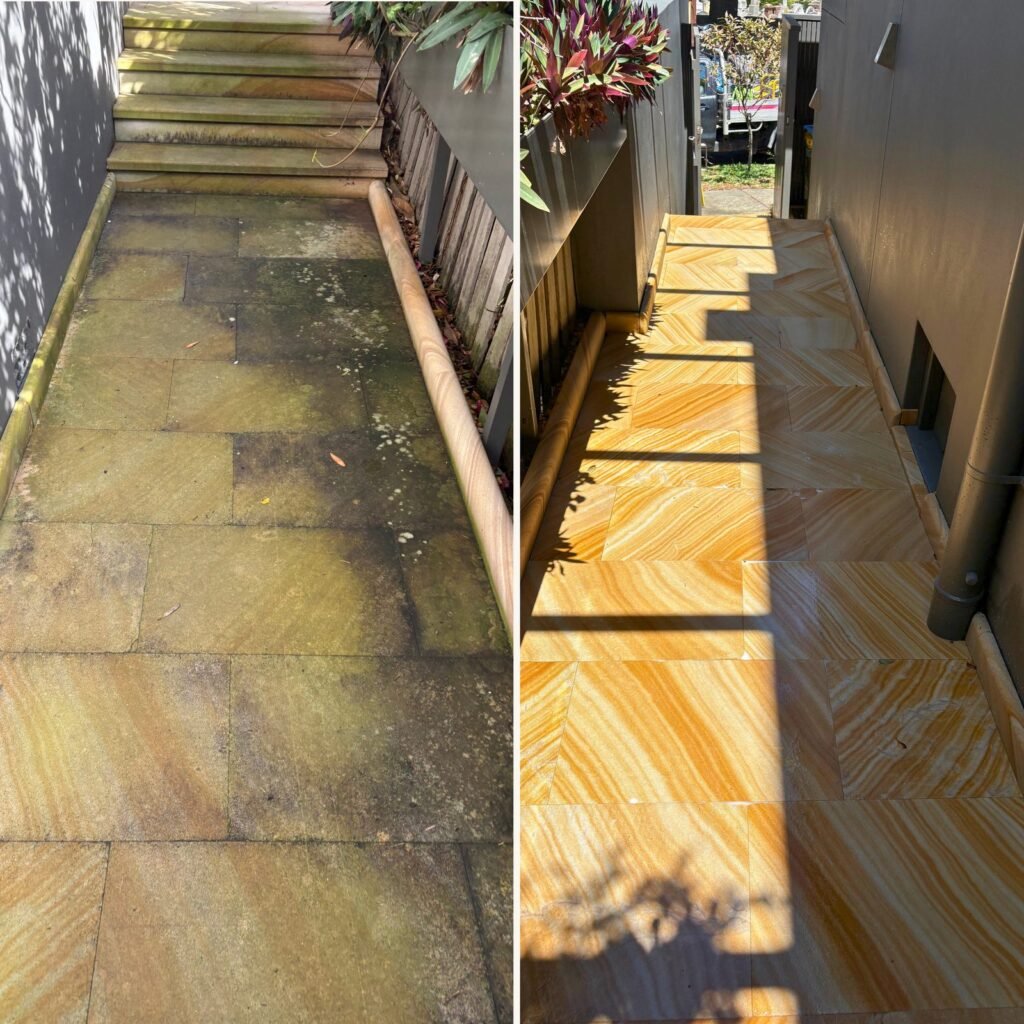
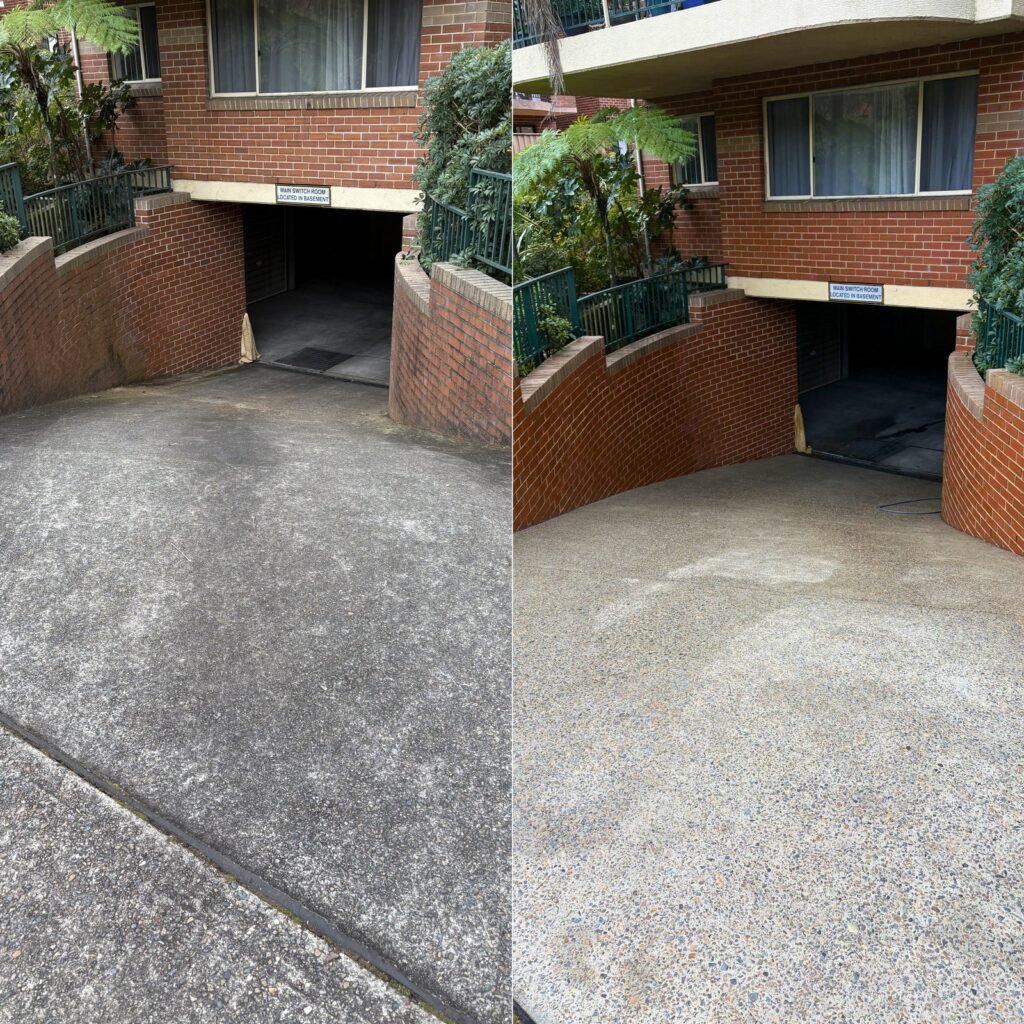
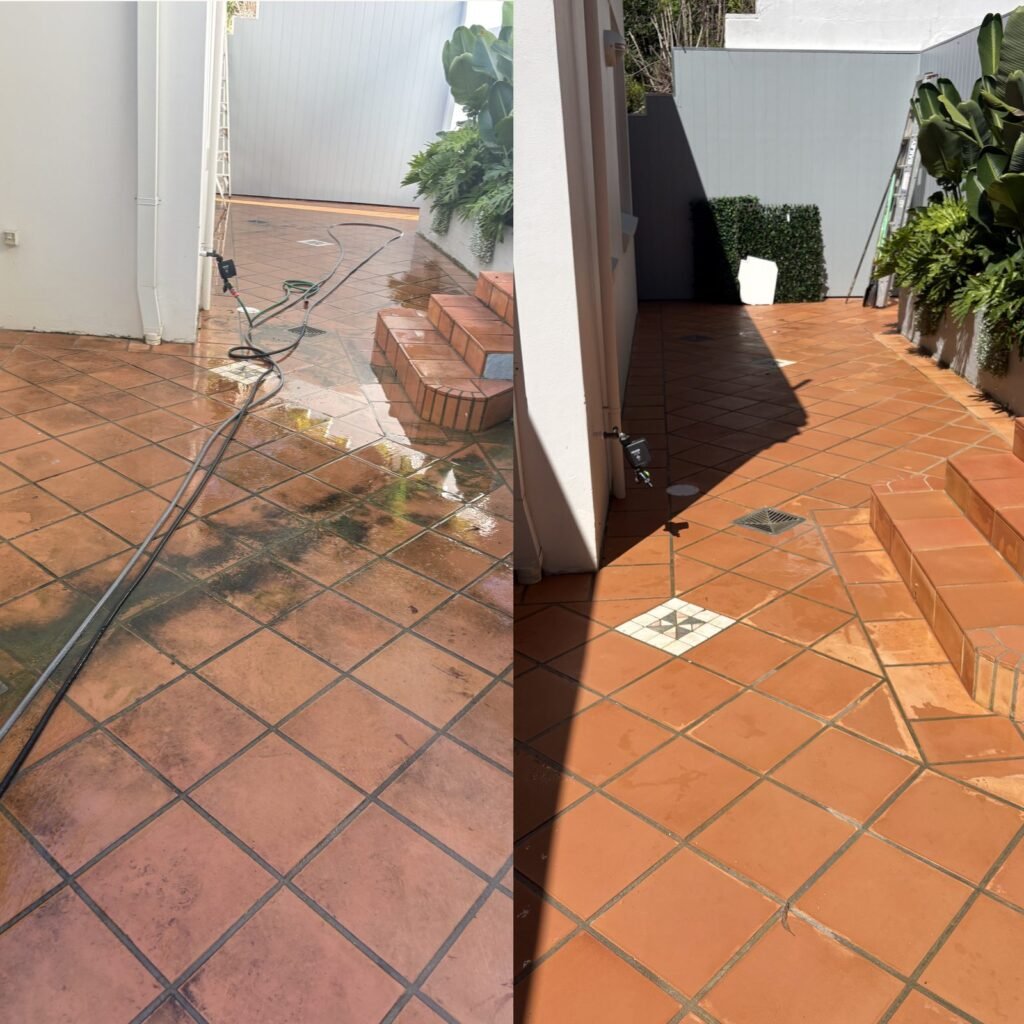
Rear courtyards, tessellated verandah tiles and narrow side paths are the hard surfaces here. Tile and grout cleaning, paver cleaning, patio cleaning, concrete cleaning and driveway cleaning apply, with paver sealing, concrete sealing and driveway sealing where wanted. Original tessellated tile should never be sealed with the wrong product.
Zero setbacks change the logistics
With walls a metre from a neighbour’s courtyard and no front garden to work from, there is nowhere for overspray to go. Containment, neighbour notice and slower working are the norm, and a quote that treats a terrace like a freestanding house has not looked at the site.
The rest
Window cleaning, fence cleaning, deck cleaning, efflorescence removal, limestone and travertine cleaning, graffiti removal along Queen Street, strata pressure cleaning, commercial pressure cleaning and whole-property exterior cleaning.
Written by the team at The Prestige Standard, exterior cleaning contractors working across Sydney’s Eastern Suburbs. Fixed written quotes within 24 hours with every surface itemised, $20 million public liability. See our service areas or call 0494 810 609.
General information only. Heritage controls vary by property. Check with Woollahra Council before work that may alter original fabric.