Roof Cleaning Eastern Suburbs | Terracotta, Slate, Concrete Tile & Colorbond
Roof cleaning across Bondi, Randwick, Vaucluse, Paddington and the Eastern Suburbs. Lichen and moss killed at the root — soft washed, never blasted, heritage roofs handled with care.
Eastern Suburbs roofs are a catalogue of Sydney roofing history: original slate and terracotta on the Paddington and Woollahra terraces, glazed terracotta on the Federation homes of Randwick and Queens Park, concrete tile across the mid-century streets, membrane and Colorbond on the contemporary builds above the water in Vaucluse and Dover Heights. Each fails differently when cleaned badly — and coastal roofs get cleaned badly often, because from the street the damage doesn’t show until later.
Lichen has roots, and pressure feeds it
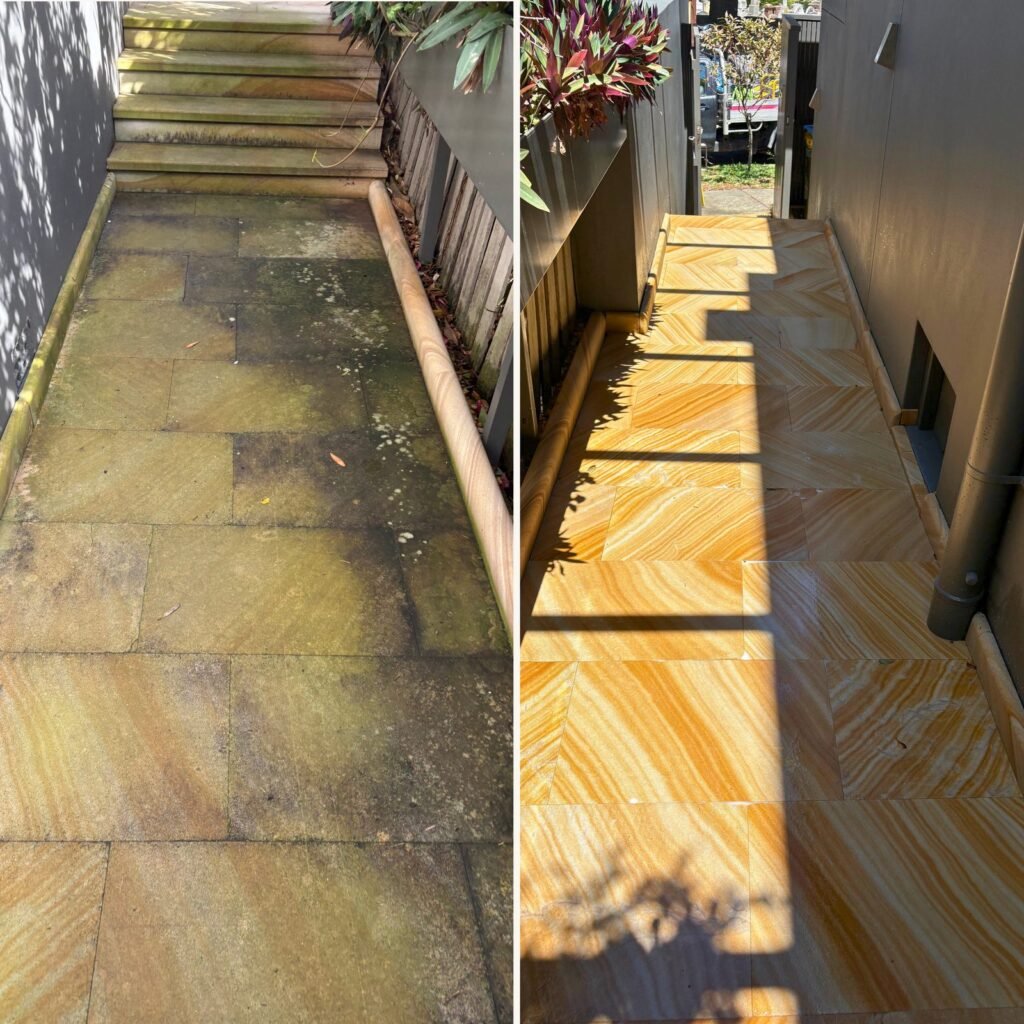
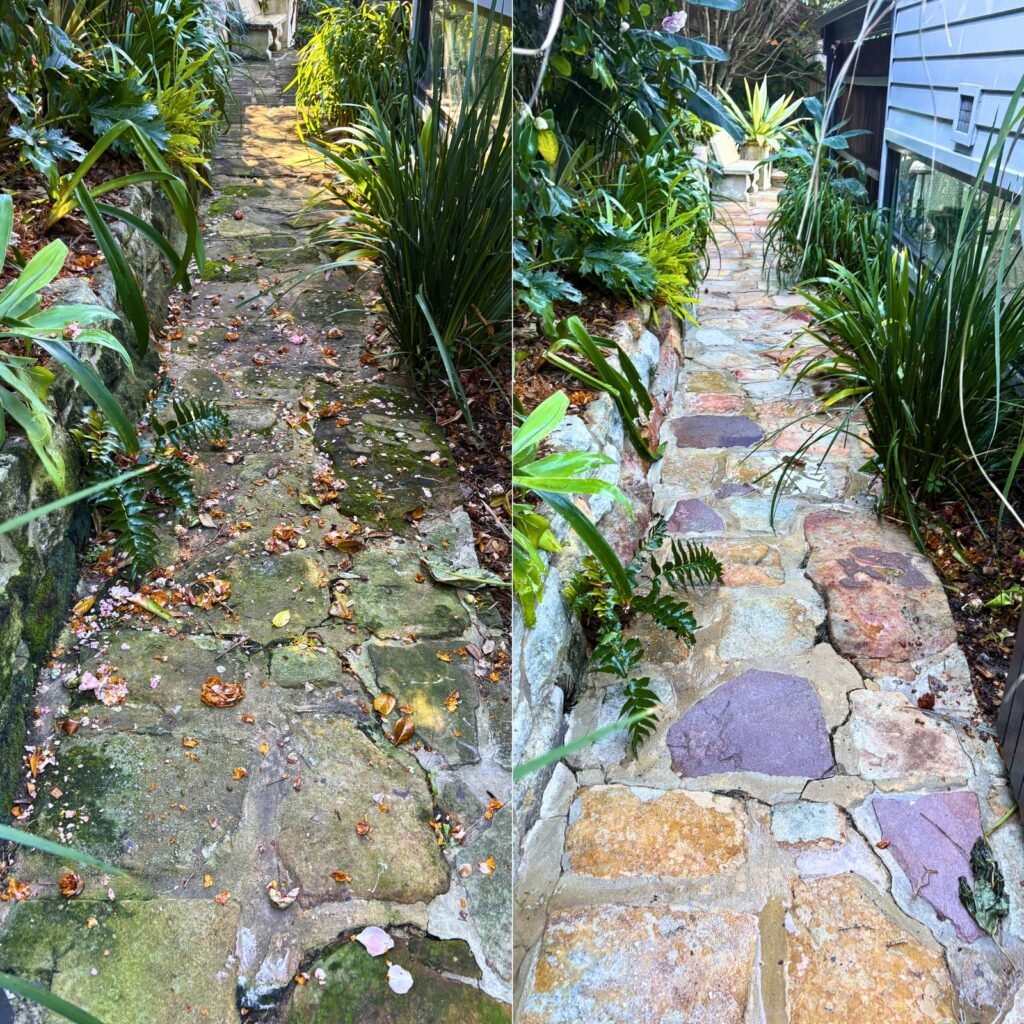
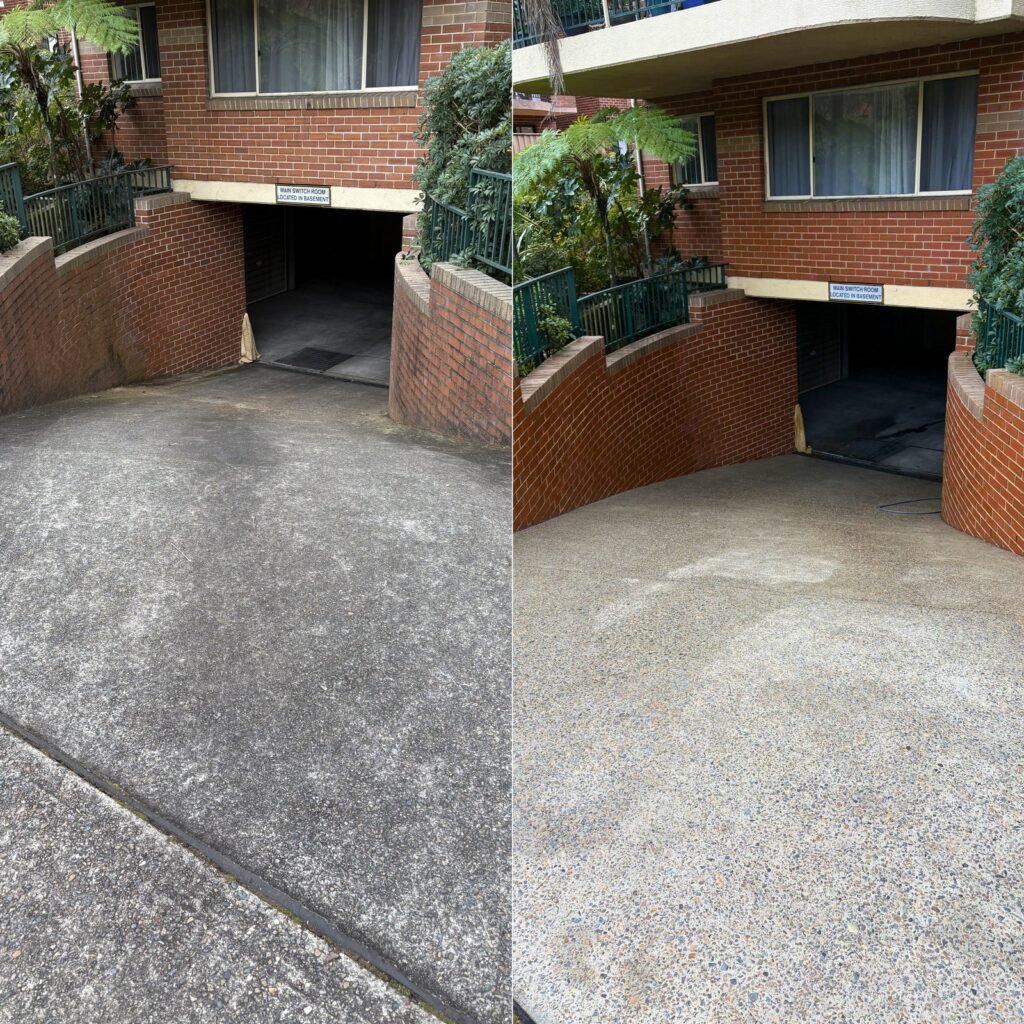
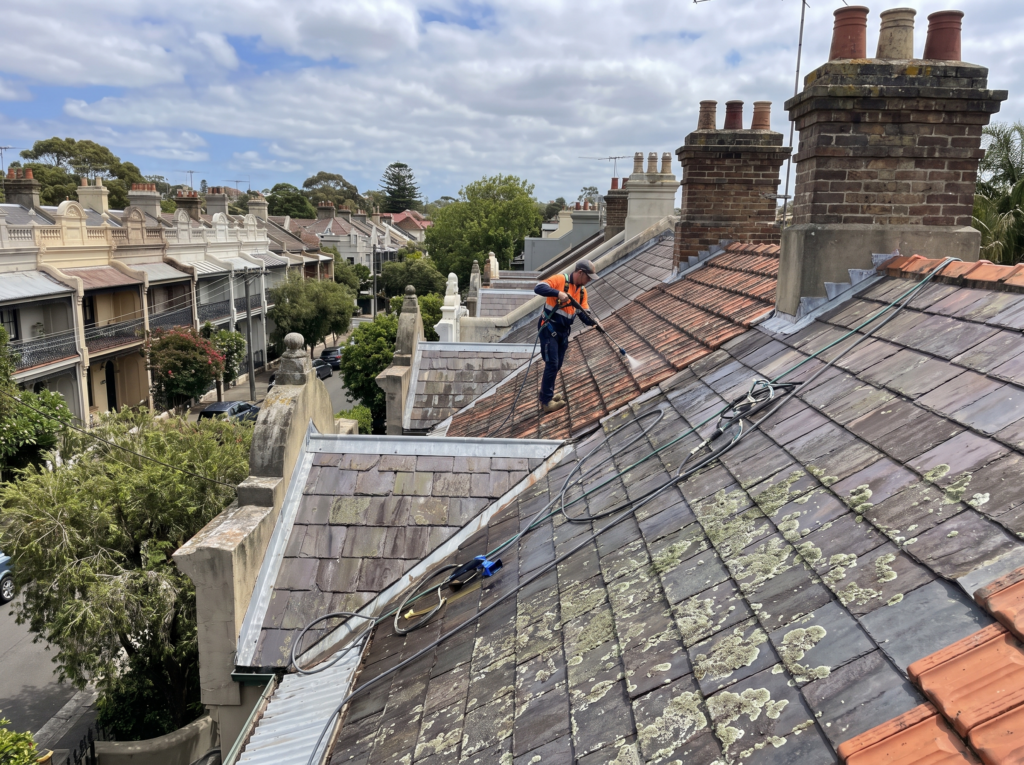
The grey-green crust on a tiled roof bonds into the tile surface. Blasting it off takes the tile’s protective layer with it: on older concrete tiles that means the colour coat, gone permanently; on any tile it leaves a rougher, more porous face that holds moisture better and regrows lichen faster than before. Our roof cleaning treats the growth chemically, kills it at the root, and lets it weather off — rinsing only at pressures the tile will carry.
Terracotta and slate are a different job again
Glazed terracotta relies on its fired surface — abrasive cleaning crazes and dulls the glaze, and the tiles themselves are brittle underfoot on a hundred-year-old roof. Slate is worse: soft, layered, and cracked by both pressure and careless foot traffic. On heritage roofs we work from appropriate access, distribute weight correctly, and accept that a slower, gentler job is the only version that doesn’t create broken tiles to find later.
Salt and the coastal strip
From Bondi to Maroubra, salt sits on roofs permanently. On Colorbond it concentrates in laps, behind flashings and around fixings, and drives corrosion — a cleaning problem only in the sense that removing the salt load slows it down. Metal roofs are soft washed and thoroughly rinsed, never pressure-driven, because forcing water up under laps puts it straight into the roof space.
Ridge capping, valleys and what we report
High pressure blows the bedding and pointing out from under ridge capping — one of the most common ways a cheap roof clean turns into a leak. We work around capping and flashings, clear the valleys, and photograph what we find up there: cracked or slipped tiles, failed pointing, corroded valley irons, rusted gutter runs. We don’t do the repairs, so there’s no incentive to invent problems — you get the photos and decide.
Box gutters and parapets
Terrace and Art Deco roofs across the East drain through internal box gutters behind parapets, where a blockage sends water into the building rather than over an edge. Roof cleaning here is almost always booked with gutter cleaning — the dying moss has to go somewhere, and on these roofs “somewhere” must not be a box gutter.
How often
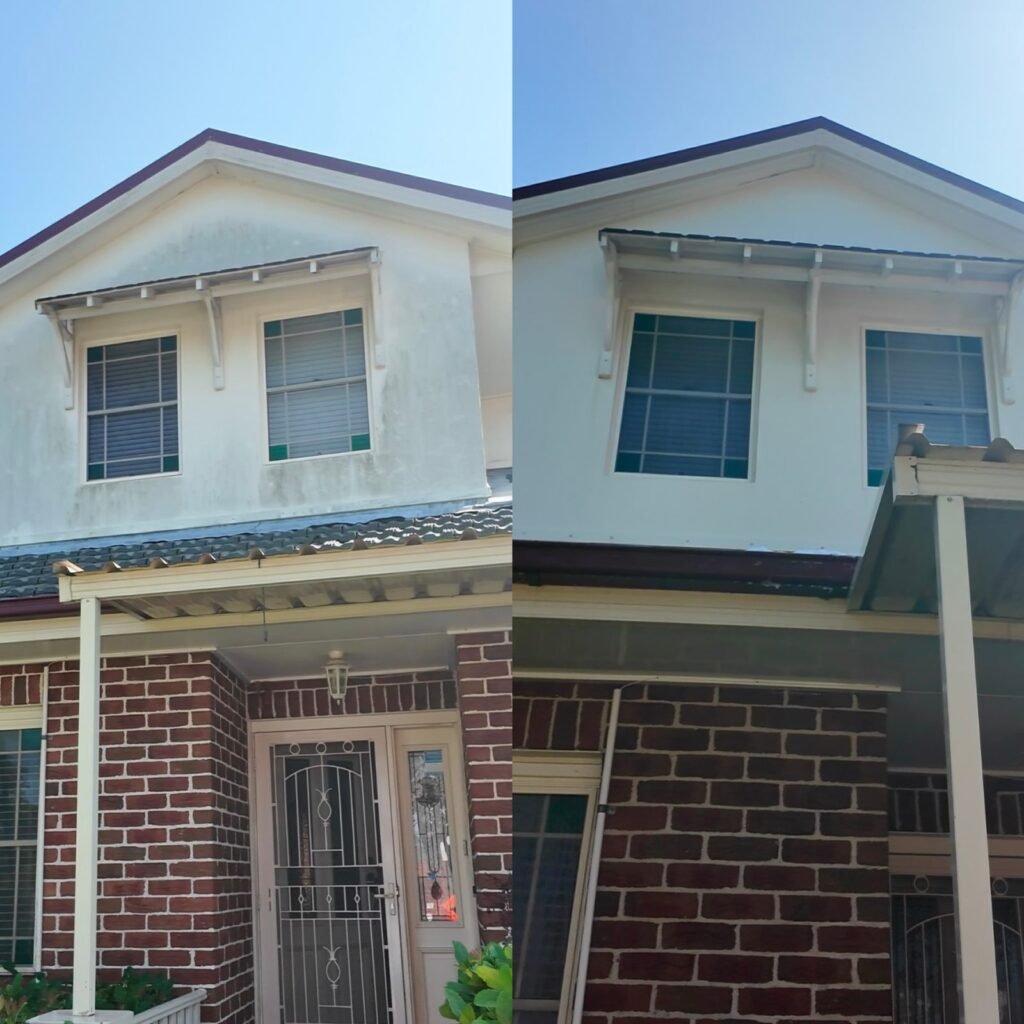
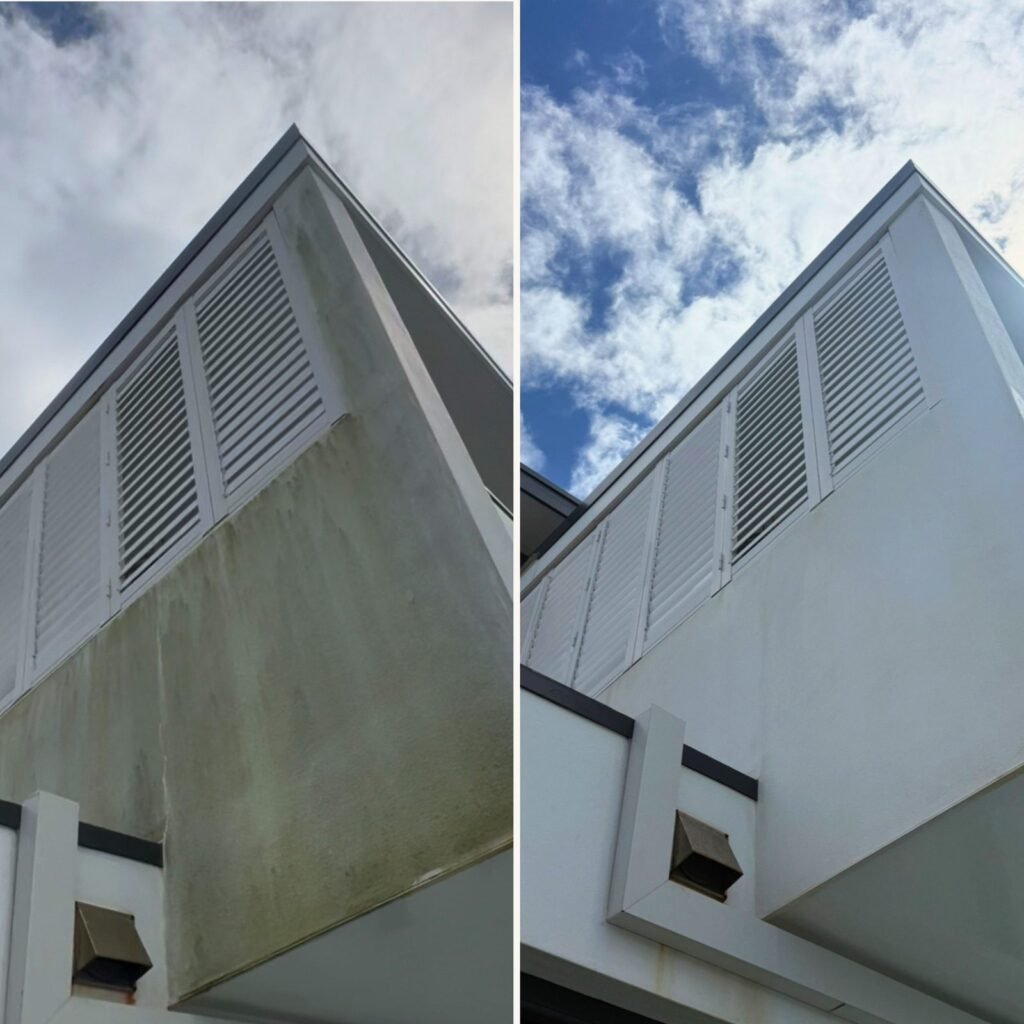
Every two to three years for most tiled roofs, sooner under tree cover or on the shaded southern pitch. Pairs naturally with house washing — if the roof is growing lichen, the facade below is usually growing mould.
Fully insured with $20m public liability, correct height-safety equipment, fixed written quotes. Request a quote and we’ll respond within 24 hours.
Servicing homes across Roof Cleaning Eastern Suburbs
Fixed written quotes within 24 hours. Surface-matched methods, $20m public liability.
Request a Free Quote